
Last updated August 27, 2026
Free in-home measure and quote - PGT, CGI and CWS impact lines compared on your actual openings, style by style
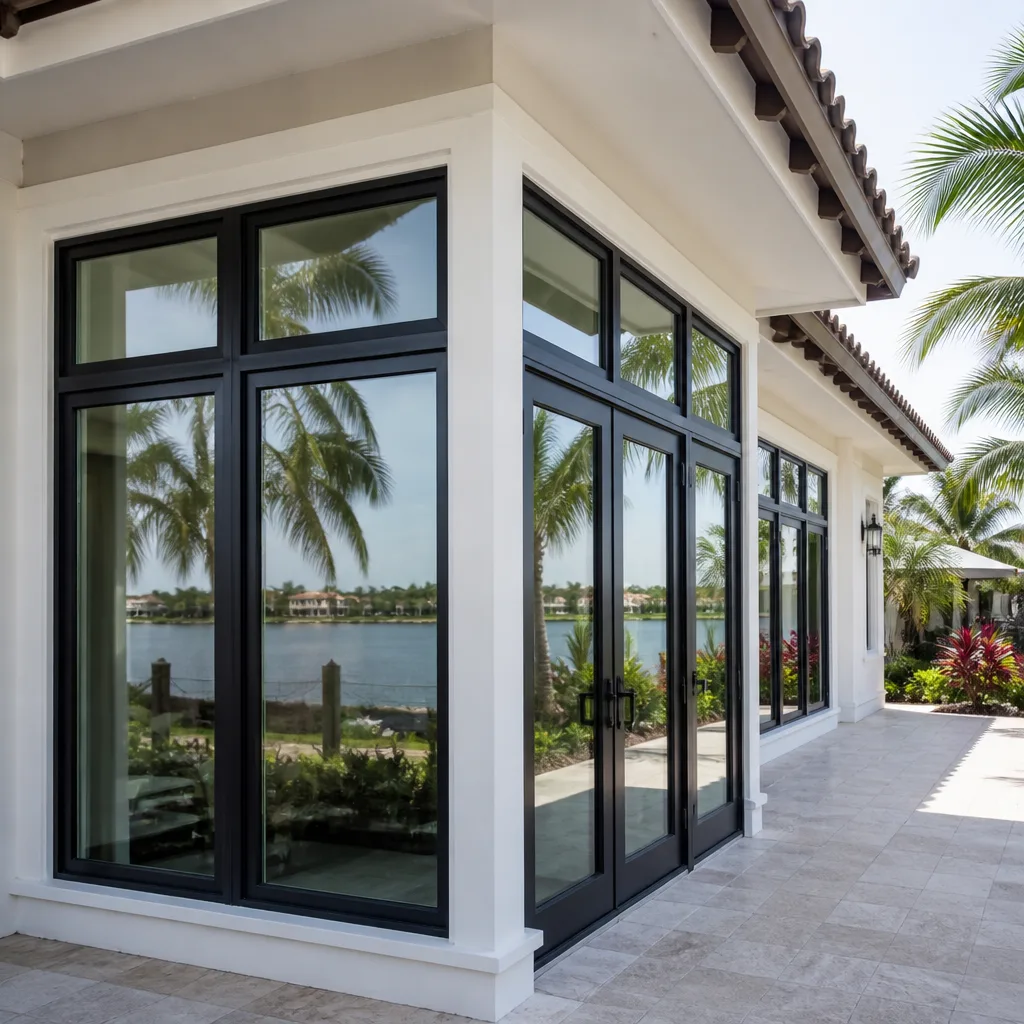
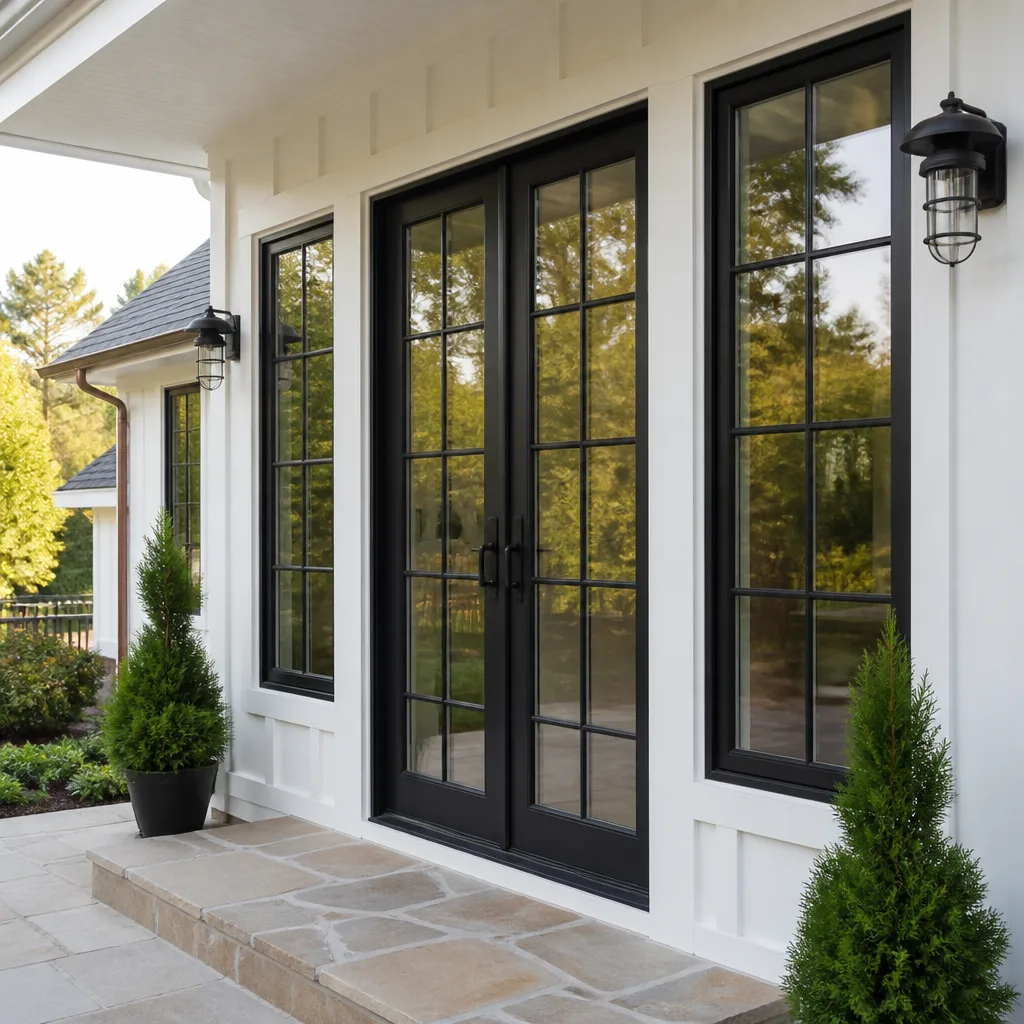
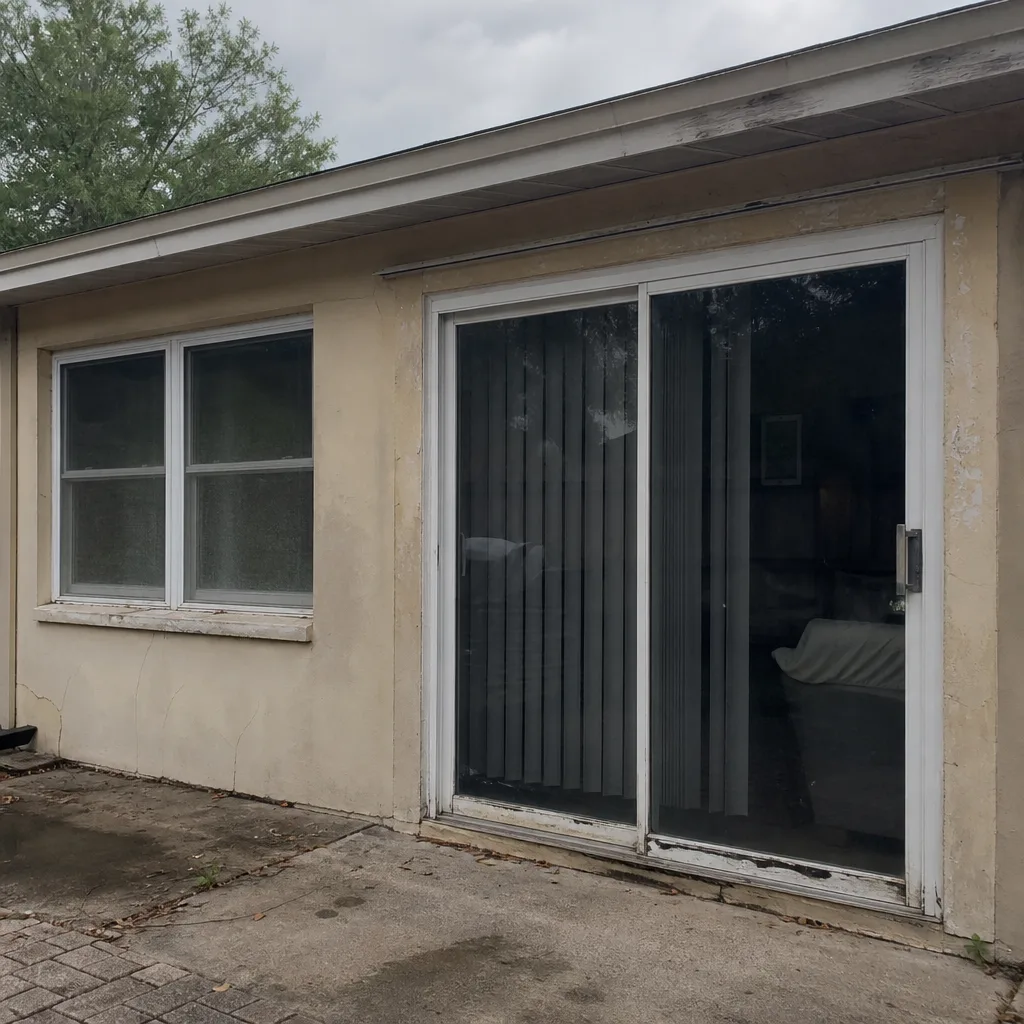 Before
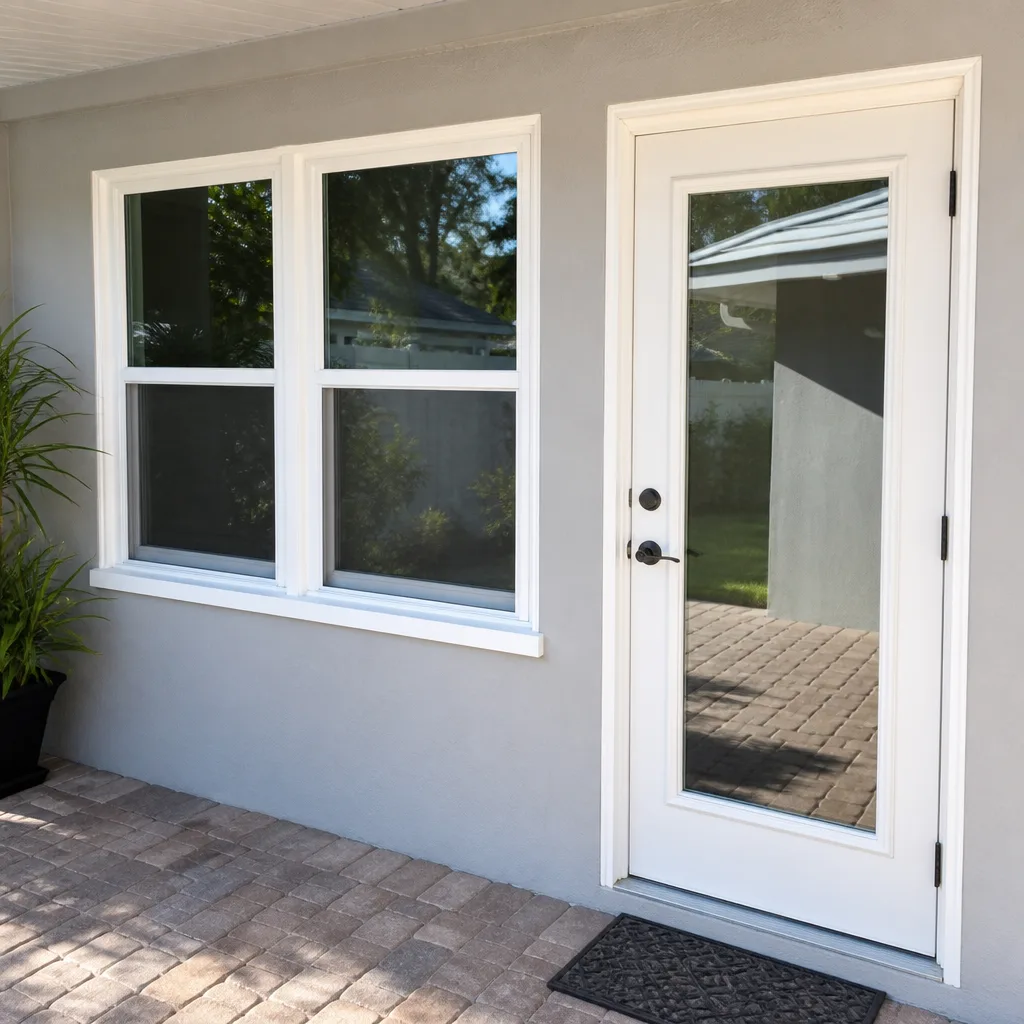 After
After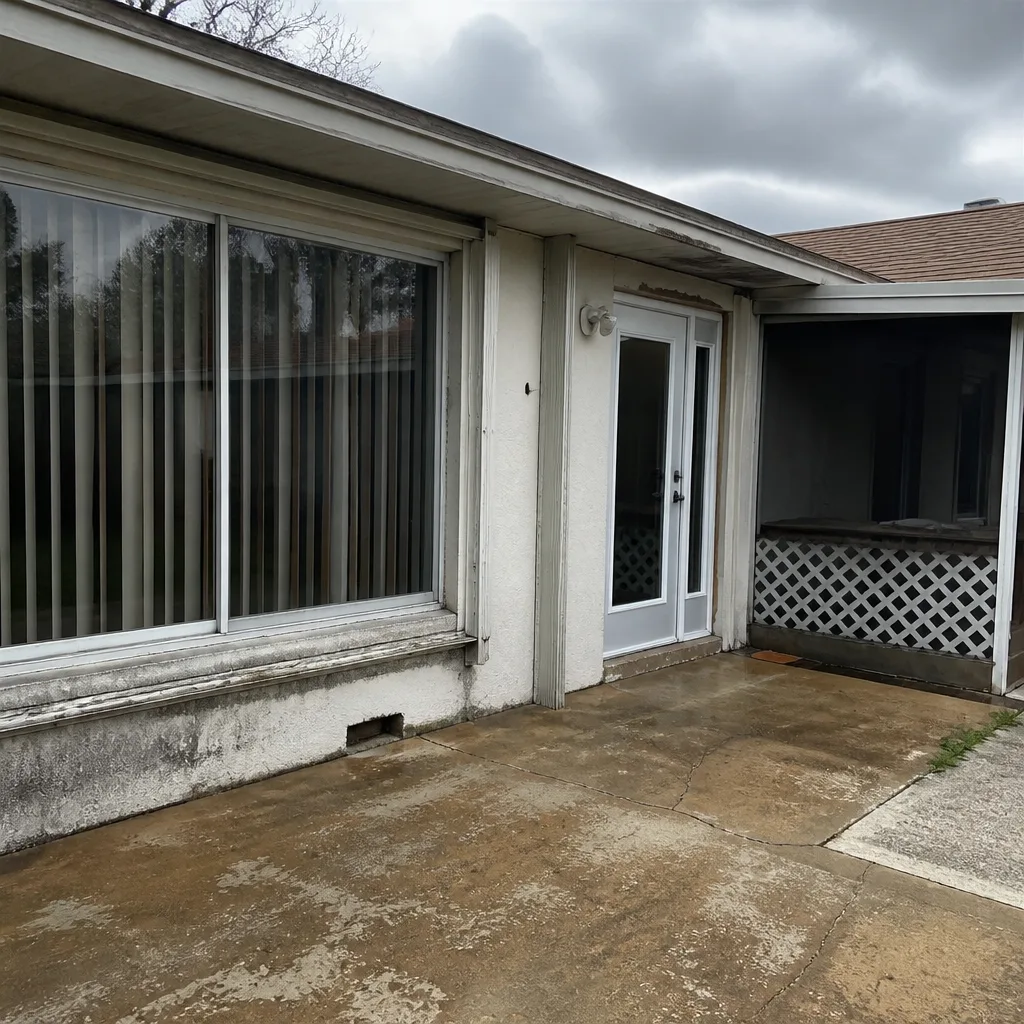 Before
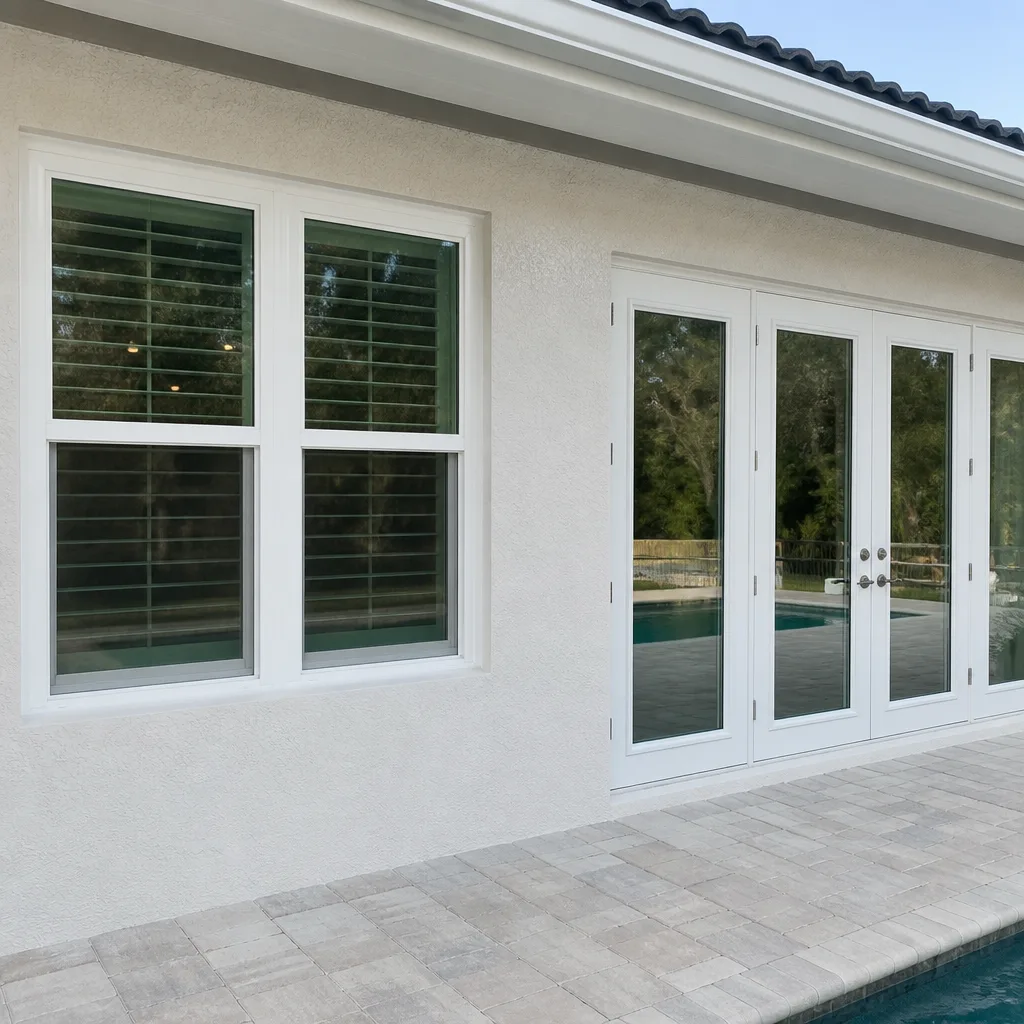 After
After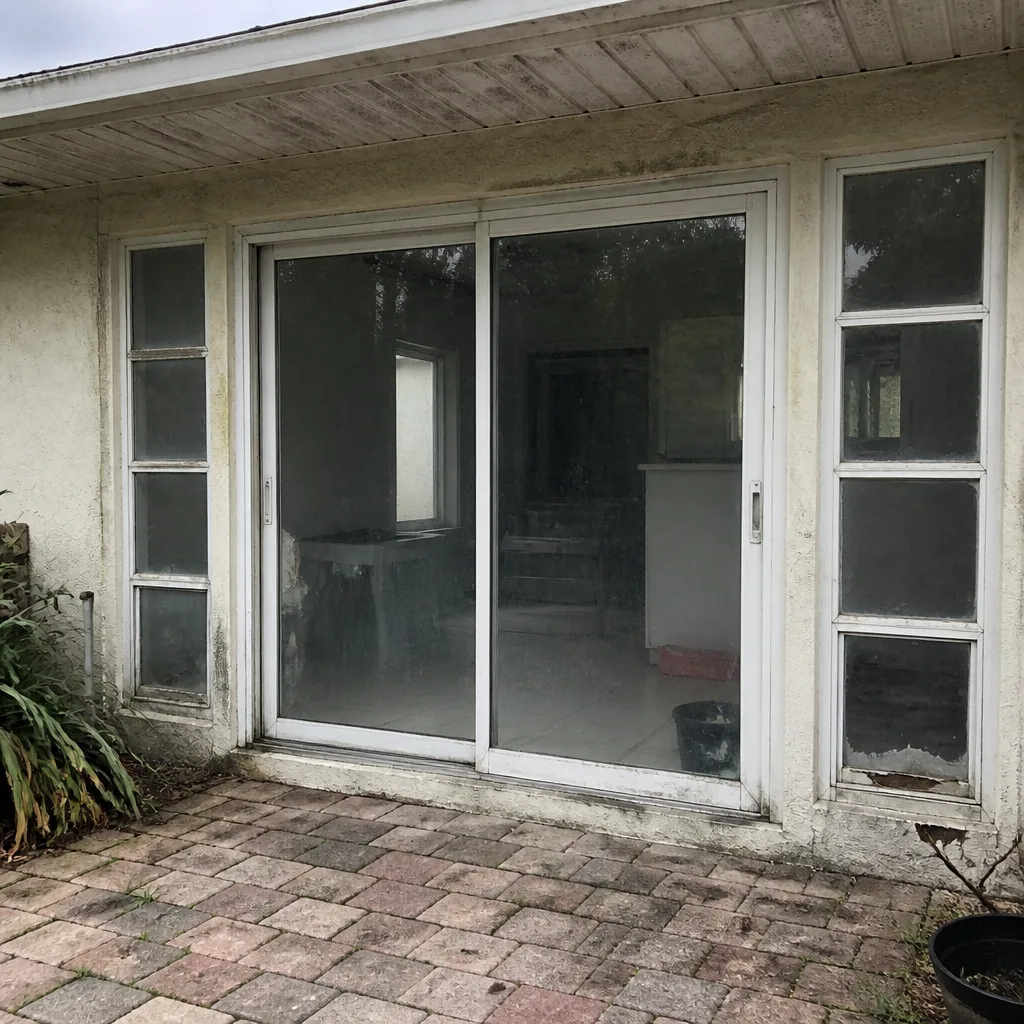 Before
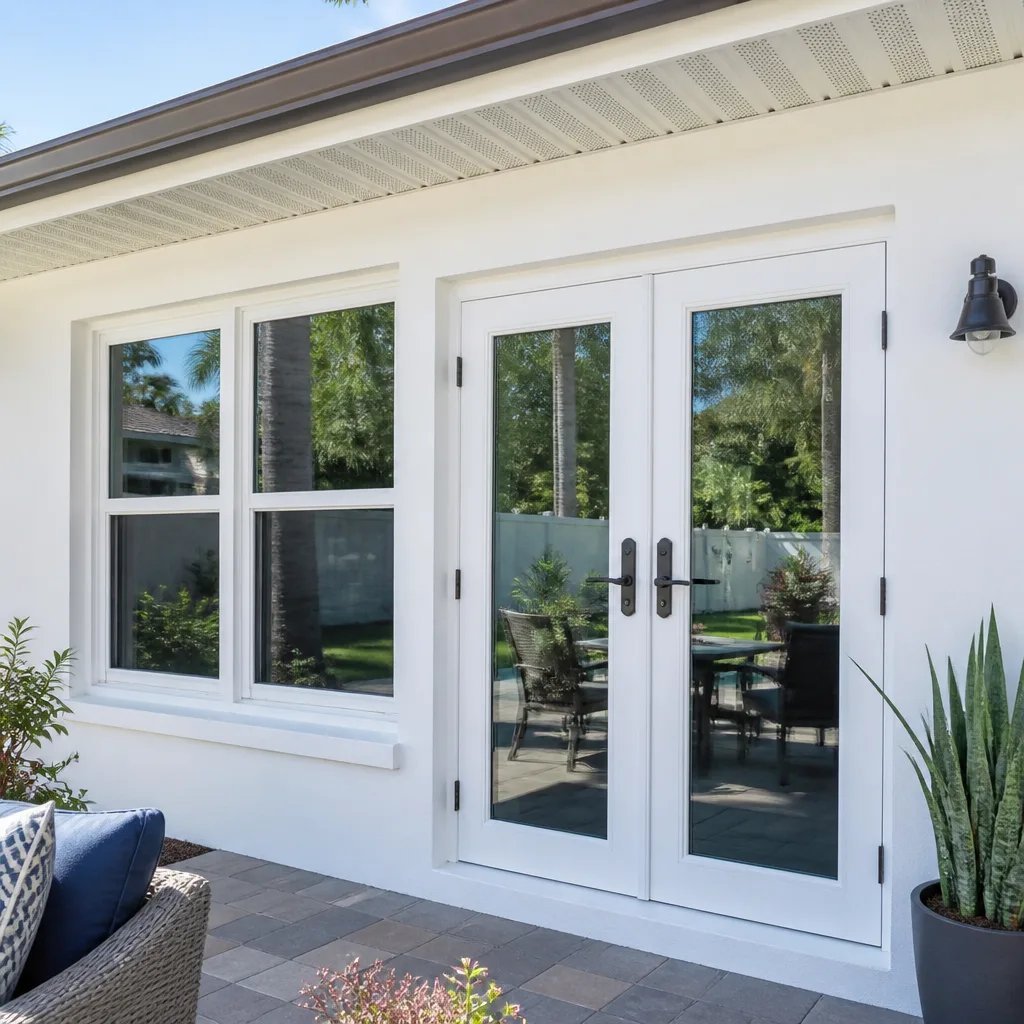 After
AfterWindows & Doors Permits, Codes & Inspections in FL: What You Need to Know
Replacing a window in Tampa without a permit doesn’t just risk a fine. It can make your home legally unsellable until an after-the-fact inspection is passed, a process that sometimes requires removing and reinstalling the window entirely. Florida’s building code for windows and doors is among the strictest in the country, and Hillsborough County layers its own amendments on top of the state baseline. This guide walks you through the actual permit process, the inspection stages, and the specific code sections that govern every replacement job in Tampa, so you know exactly what you’re signing up for before the first screw comes out. For a deeper dive, see our Complete Guide to Windows & Doors in Tampa.
Quick Answer
Window and door replacement in Florida generally requires a permit when the opening size changes, when you’re installing impact-rated products that must meet wind-load requirements, or when structural components like headers or sills are modified. In Tampa, Hillsborough County requires product approval documentation, a two-stage inspection (rough-in and final), and compliance with Florida Building Code Chapter 14. A like-for-like swap of a single window may qualify for a simpler permit, but “like-for-like” has a specific legal definition that most homeowners don’t know, and guessing wrong is expensive.
Table of Contents
- What the Florida Building Code Actually Says About Windows and Doors
- Hillsborough County’s Permit Requirements: What the State Baseline Doesn’t Cover
- What “Like-for-Like” Replacement Really Means (And When It Still Needs a Permit)
- Product Approval Documentation: The Paperwork Contractors Must Hand You
- The Two-Stage Inspection Process: Rough-In and Final
- High-Velocity Hurricane Zone (HVHZ) Rules in Tampa
- Your Rights During Inspection: How to Pull Your Own Records
- Common Mistakes to Avoid
- When to Call a Professional
- Frequently Asked Questions
- The Bottom Line
What the Florida Building Code Actually Says About Windows and Doors
The Florida Building Code, 2020 edition (FBC 2020), governs every window and door installation in the state. Chapter 14 covers exterior walls, and Section R609 of the Residential Code handles exterior windows and doors specifically. If you’re replacing a window or exterior door in Tampa, your project falls under these sections whether you pull the permit yourself or your contractor does.
Here are the core requirements every homeowner should understand before signing a contract:
- Wind load compliance: Every window and door product must be rated for the design wind pressure of the specific site. Tampa’s wind speed map designation means products typically need to meet higher pressure ratings than inland Florida locations.
- Impact protection: For homes in the wind-borne debris region (which includes most of Hillsborough County), new windows and doors must either be impact-rated or protected by an approved shutter system. Impact-rated products from brands like PGT, CGI, and CWS carry Florida Product Approval numbers proving they passed large-missile impact testing.
- Flashing and water management: Section R703.8 requires flashing at all exterior window and door openings. The specific method (tape, membrane, or pan flashing) must match the product’s approval documentation.
- Emergency escape: Bedroom windows must maintain minimum net clear opening dimensions, even with impact glass. We regularly see homeowners in South Tampa discover this the hard way when they install smaller windows to save money and fail their final inspection.
- Energy code compliance: Florida’s energy code (Chapter 13 of FBC) sets minimum U-factor and Solar Heat Gain Coefficient (SHGC) ratings for windows based on climate zone. Tampa sits in Climate Zone 2, which has specific requirements that differ from Miami or Jacksonville.
The code is not optional guidance. It’s state law, adopted by the Florida Legislature and enforced locally by Hillsborough County’s building department. When a contractor tells you “we’ll make sure it’s to code,” that’s not a plan. That’s a hope. The code has specific sections, specific numbers, and specific inspection requirements attached to it. What you need is someone who can cite them by number.
Hillsborough County’s Permit Requirements: What the State Baseline Doesn’t Cover
Hillsborough County has its own land development code and administrative amendments that go beyond the state baseline. The county requires a building permit for most window and door replacements, even when the opening is not being enlarged. This is stricter than some neighboring counties, and it catches people moving from out of state off guard.
Here’s what Hillsborough County specifically requires that the state code does not automatically mandate:
- Submittal of product approvals: You must submit the Florida Product Approval documentation for every window or door product being installed. This includes the approval number, the engineering drawings, and the specific installation instructions tied to that approval. Generic product brochures don’t count.
- Site-specific wind pressure calculations: The county wants to see that the products you’re installing are rated for the exact wind loads on your specific house, not just “somewhere in Florida.” This is based on your address, roof height, and exposure category.
- Notice of Commencement: For jobs over $2,500, Hillsborough requires a recorded Notice of Commencement before inspections can be scheduled. This is a legal document filed with the county clerk that establishes the start of your project and protects your lien rights.
- Permit card posted on site: The county requires the permit card to be visibly posted at the job site during all work and inspections. If the inspector arrives and can’t find it, the inspection is failed on the spot.
- Specific fee schedule: Hillsborough calculates permit fees based on the valuation of the work, not a flat rate. A full-house window replacement in a neighborhood like Westchase or Carrollwood will run a different fee than a single door swap in Seminole Heights.
One practical note from years of pulling permits in this county: Hillsborough’s plan review process moves faster when the application is clean on the first submittal. Missing product approvals are the single most common reason for permit delays. When we submit a window replacement in Tampa package, we include every Florida Product Approval number up front, printed and tabbed. It saves weeks.
What “Like-for-Like” Replacement Really Means (And When It Still Needs a Permit)
Homeowners often hear “like-for-like replacement doesn’t need a permit.” That’s partially true and partially dangerous. Here’s the precise definition under Florida Building Code Section 105.2: a like-for-like replacement means you’re swapping an existing product with a new one of the same size, same type, same weight, and same structural load characteristics, without altering any structural component of the building.
The moment any of those conditions change, you need a permit. Here’s where people get tripped up:
- Material change: Swapping a wood window for a vinyl or aluminum one changes the weight and structural attachment requirements. That’s not like-for-like.
- Impact glass upgrade: Installing impact-rated windows where single-pane units existed changes the product weight, the anchoring requirements, and the structural load path. That’s a permit job.
- Size change: Even a two-inch difference in rough opening dimensions means new framing, new flashing, new everything. That’s a structural modification.
- Door swing change: Changing an in-swing door to an out-swing door alters the exterior exposure and the water management strategy. Permit required.
- Threshold modification: Lowering a threshold for ADA access or changing the threshold type affects the water-resistive barrier at the base of the opening. Another permit trigger.
In practice, most window and door replacements in Tampa require a permit. The like-for-like exemption applies to genuinely identical swaps, like replacing a broken pane with an identical unit from the same manufacturer using the same installation method. If you’re upgrading to better products, improving energy efficiency, or changing brands, you’re almost certainly in permit territory. When in doubt, call the county’s permit office or ask us directly. We’ll tell you straight what your project needs.
Product Approval Documentation: The Paperwork Contractors Must Hand You
Every window and door product installed in Florida must carry a Florida Product Approval or Miami-Dade NOA (Notice of Acceptance). This is the single piece of paperwork that separates legitimate products from illegal ones. If a contractor cannot produce the approval number for a specific product, that product is not legal to install in Florida, period.
The product approval documentation includes:
- The specific approval number (FL numbers for state approvals, NOA numbers for Miami-Dade)
- The manufacturer’s name and product line
- The tested wind pressure rating
- The impact rating (if applicable) and missile level test results
- The specific installation instructions that must be followed
- The anchoring requirements based on your home’s construction type
This matters for your insurance and your resale value. Homes in Tampa with unapproved windows can face insurance non-renewal or dramatically higher premiums. When you sell, the buyer’s inspector will check for product approval stickers and documentation. Missing paperwork means you’re selling with a known defect unless you disclose it and discount accordingly.
We install products from authorized brands including PGT, CGI, CWS, and Therma-Tru, and we provide the full approval package with every window installation in Tampa we complete. You should never have to ask for this paperwork. It should be handed to you as part of the contract.
The Two-Stage Inspection Process: Rough-In and Final
Window and door replacement in Hillsborough County requires two inspections in most cases. Understanding these stages helps you know what’s happening on your job and when to ask questions.
Stage 1: Rough-In Inspection
This happens after the old window or door is removed and the new unit is set in the opening but before the interior trim and exterior cladding go on. The inspector checks:
- The product approval sticker on the new unit matches the paperwork submitted with the permit
- The anchoring method matches the approved installation instructions
- The flashing is installed correctly at the head, jambs, and sill
- The sealant joints are proper and continuous
- The rough opening dimensions match the approved plans
- For impact products, the anchoring schedule (the specific screw or bolt pattern) is correct
Stage 2: Final Inspection
This occurs after all work is complete, including trim, caulking, and any stucco or siding repairs around the new opening. The inspector verifies:
- The finished product functions correctly (opens, closes, locks, and seals)
- All visible sealant is continuous and properly tooled
- Exterior cladding is restored and water-tight
- The permit card was properly displayed during construction
- No other unrelated work happened under this permit
What happens if final inspection never happens? The permit stays open. Hillsborough County flags open permits, and this shows up when you try to sell or refinance. Your homeowners insurance company can also deny claims related to the work if the permit was never closed. We’ve seen homes in Riverview and Brandon sit on the market for months while owners scramble to close permits from contractors who went out of business years ago. An open permit is a title defect. Lenders treat it like a lien.
High-Velocity Hurricane Zone (HVHZ) Rules in Tampa
This section surprises many Tampa homeowners. Hillsborough County is NOT a high-velocity hurricane zone under Florida law. The HVHZ designation applies to Miami-Dade and Broward counties only. However, Tampa and Hillsborough County sit within the wind-borne debris region, which carries its own mandatory impact protection requirements.
Here’s what that means for your windows and doors:
- Products installed in Tampa must meet ASTM E1886 and E1996 standards for missile impact resistance, but the specific missile level (which determines the size and speed of the test projectile) differs from what Miami-Dade requires
- You don’t need Miami-Dade NOA approval for Tampa installations, but the product still must have a valid Florida Product Approval
- Some neighborhoods closer to the water, including parts of Davis Islands, Bayshore, and Apollo Beach, fall into higher exposure categories that require higher design pressure ratings
- Insurance companies writing policies in Tampa frequently require impact protection regardless of what the minimum code says. Your specific address and the insurance company’s underwriting standards determine whether you need shutters in addition to impact glass
The practical takeaway: don’t assume that because Tampa isn’t HVHZ, you can install anything. The wind speeds used in Hillsborough County’s design calculations are still substantial, and the wrong product fails wind load review at the county. Impact windows from brands like CWS and PGT are tested for these exact conditions, and we can tell you which product lines meet Tampa’s requirements for your specific street.
Your Rights During Inspection: How to Pull Your Own Records
Florida law gives you specific rights as a homeowner during the inspection process. You are legally entitled to:
- Receive a copy of every inspection report, including failed inspections
- Be present during any inspection
- Ask the inspector questions about the findings
- Challenge an inspection result through the county’s appeals process
- Access all permit and inspection records for your property through Hillsborough County’s public portal
To pull your own inspection records in Hillsborough County:
- Go to the Hillsborough County building department’s online permit search portal
- Search by your property address or parcel number
- Click on the specific permit number to view all associated inspections
- Download or print the inspection record for your files
We recommend every homeowner in Tampa keep a file with the permit number, the product approval numbers for all installed products, and the final inspection record. When you sell your home, this file becomes part of your disclosure package and speeds the transaction. When you file an insurance claim after a storm, this file proves your windows were code-compliant and properly inspected. It’s the difference between a smooth claim and a denied one.
For homeowners replacing windows as part of a larger project, we also recommend keeping this documentation alongside your impact windows in Tampa warranty paperwork. One folder. Everything in one place.
Common Mistakes to Avoid
- Skipping the permit entirely because your contractor says it’s not needed. If the contractor is wrong, you’re responsible. The county doesn’t fine the contractor for an unpermitted project on your house, it fines you, and the open permit becomes your legal problem when you sell.
- Not verifying the product approval numbers before installation. A contractor can show you a PGT brochure and then install a different, unapproved product. Ask for the specific approval number for the specific product going into your specific house, and verify it on the Florida Department of Business and Professional Regulation website.
- Paying the final invoice before the final inspection passes. Once the contractor has your money, the urgency to close the permit drops significantly. In Tampa, we’ve seen final inspections get scheduled weeks late or never. Hold back a reasonable portion until the inspection report is in your hand.
- Assuming impact windows automatically satisfy your insurance company. Your insurer may have specific requirements beyond code minimums, including specific brand approvals or additional wind mitigation documentation. Check with your agent before choosing products, not after installation.
- Replacing bedroom windows with smaller units to save money. Egress requirements are non-negotiable. Installing a window that doesn’t meet the minimum opening size fails inspection and creates a life-safety hazard in a fire. This is one of the most common failed inspections we see in older Tampa neighborhoods like Tampa Heights and Ybor City.
- Using an out-of-state contractor unfamiliar with Florida code. Florida’s wind load requirements are unlike anything in most other states. A contractor licensed in Georgia or Texas may do beautiful work that fails every Hillsborough County inspection because the anchoring doesn’t meet Florida’s standards. Always verify the contractor holds a valid Florida license and has specific experience with Hillsborough County permits.
When to Call a Professional
If your project changes the size or shape of any window or door opening, call a licensed professional. If you’re installing impact-rated products, call a professional. If the contractor you’re considering can’t produce Florida Product Approval numbers for the products they’re quoting, call someone else. If you’ve got an open permit on your property from a previous owner or a contractor who disappeared, call someone who understands Hillsborough County’s after-the-fact inspection process. These situations compound quickly, and the fix is always more expensive than the prevention.
Winslow Windows & Doors offers free estimates in Tampa. We’ll walk your property, tell you exactly what your project needs, and never guess at code requirements. Call (386) 559-6999.
Frequently Asked Questions
Yes, in most cases you need a Hillsborough County building permit to replace a window or exterior door in Tampa. The only exception is a true like-for-like replacement that meets the strict definition under Florida Building Code Section 105.2, meaning the product is identical in size, type, weight, and structural load characteristics, and no structural elements are altered. Most replacement projects, especially those upgrading to impact-rated or energy-efficient products, require a permit. Call (386) 559-6999 if you’re unsure about your specific project, and we’ll tell you straight.
Hillsborough County calculates permit fees based on the valuation of the work, not a flat rate per window. A single window replacement may run a few hundred dollars in permit fees, while a whole-house replacement could cost significantly more depending on the total job valuation. The only way to get an exact number is to file the permit application with accurate job costs. We include all permit fees in our upfront pricing, so you know the full cost before work starts, not after.
Hillsborough County flags open permits and unpermitted work during title searches, and lenders treat these like title defects. You may be forced to complete an after-the-fact permit, which involves opening walls to show the inspector the anchoring and flashing, and in some cases removing and reinstalling the windows entirely. The repair and retroactive permitting costs are typically two to three times what the original permit would have cost. The sale can be delayed for months or fall through entirely.
Tampa sits within the wind-borne debris region under the Florida Building Code, which means new windows and doors must either be impact-rated or protected by an approved shutter or panel system. The specific requirement depends on your home’s location, exposure category, and insurance requirements. Many homeowners choose impact-rated products from brands like PGT, CGI, and CWS because impact windows satisfy both the code requirement and most insurance company wind mitigation discounts.
A Florida Product Approval (FL number) is issued by the Florida Department of Business and Professional Regulation and applies statewide. A Miami-Dade NOA (Notice of Acceptance) is a county-level certification that applies specifically to products installed in the high-velocity hurricane zone of Miami-Dade and Broward counties. Tampa is not in an HVHZ, so a valid Florida Product Approval is sufficient for installations here. Products with both certifications, like many from PGT and CGI, give you the broadest compliance coverage if your insurance company has stricter requirements.
For a straightforward window replacement with complete product approval documentation, a Hillsborough County permit typically issues within one to three weeks from submittal, assuming a clean application with no review comments. The inspections themselves are scheduled within one to two days of request, and the actual rough-in and final inspections happen at different stages of the project, so the full permit-to-final-inspection timeline follows the construction schedule. The most common delay is a permit application kicked back for missing product approvals. Call (386) 559-6999 for a current timeline on your specific project.
The Bottom Line
Florida’s window and door code exists for a reason: hurricanes happen, water gets in, and homes fail when products are installed wrong. Tampa adds its own layer of local requirements on top of the state baseline, from Hillsborough County’s product approval submittals to the two-stage inspection process and the records you’re legally entitled to keep. Understanding these requirements before you replace a window or door means the work gets done once, correctly, with paperwork that protects your insurance and your resale value for decades. The alternative is an open permit, a failed inspection, and a surprise at closing.
Written by Ed Winslow, Owner at Winslow Windows & Doors, serving Tampa since 2011. Ed’s name is on the door, and on every job we do.
Six Reasons Homeowners Choose Winslow Windows & Doors
Impact systems engineered to design pressures up to +/-100, matched to your wind zone - your openings hold when the storm arrives.
Low-E insulated impact glass from our manufacturer lines commonly cuts monthly cooling bills 20-30%.
Laminated impact glass shuts out up to 40% of outside noise - traffic, neighbors, weather.
Monitoring services run $30-90 a month. Laminated impact glass resists forced entry around the clock, with no subscription.
Florida homeowners average around 25% savings on the windstorm portion of their policy after protecting every opening - some homes qualify for more.
A full impact package upgrades curb appeal, buyer confidence and appraised value in one project.