
Last updated August 27, 2026
Free in-home measure and quote - PGT, CGI and CWS impact lines compared on your actual openings, style by style
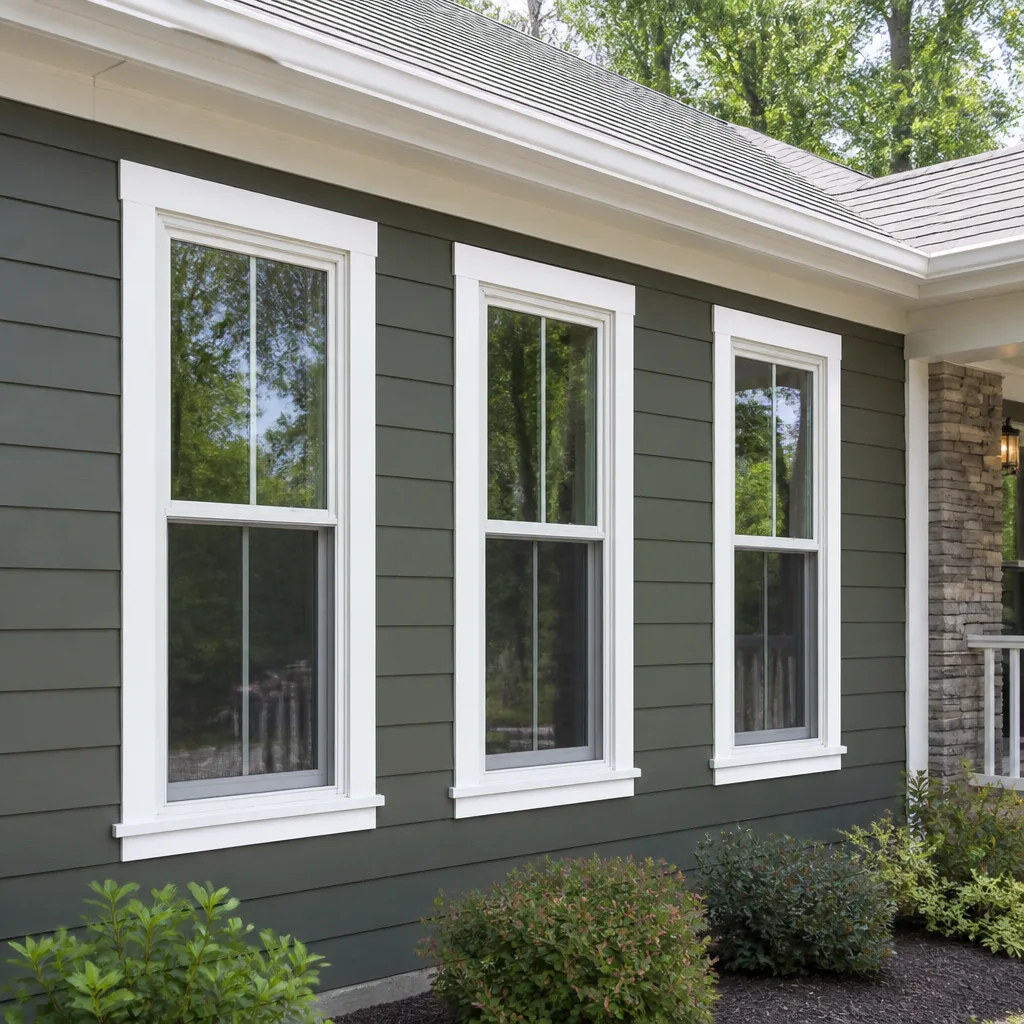
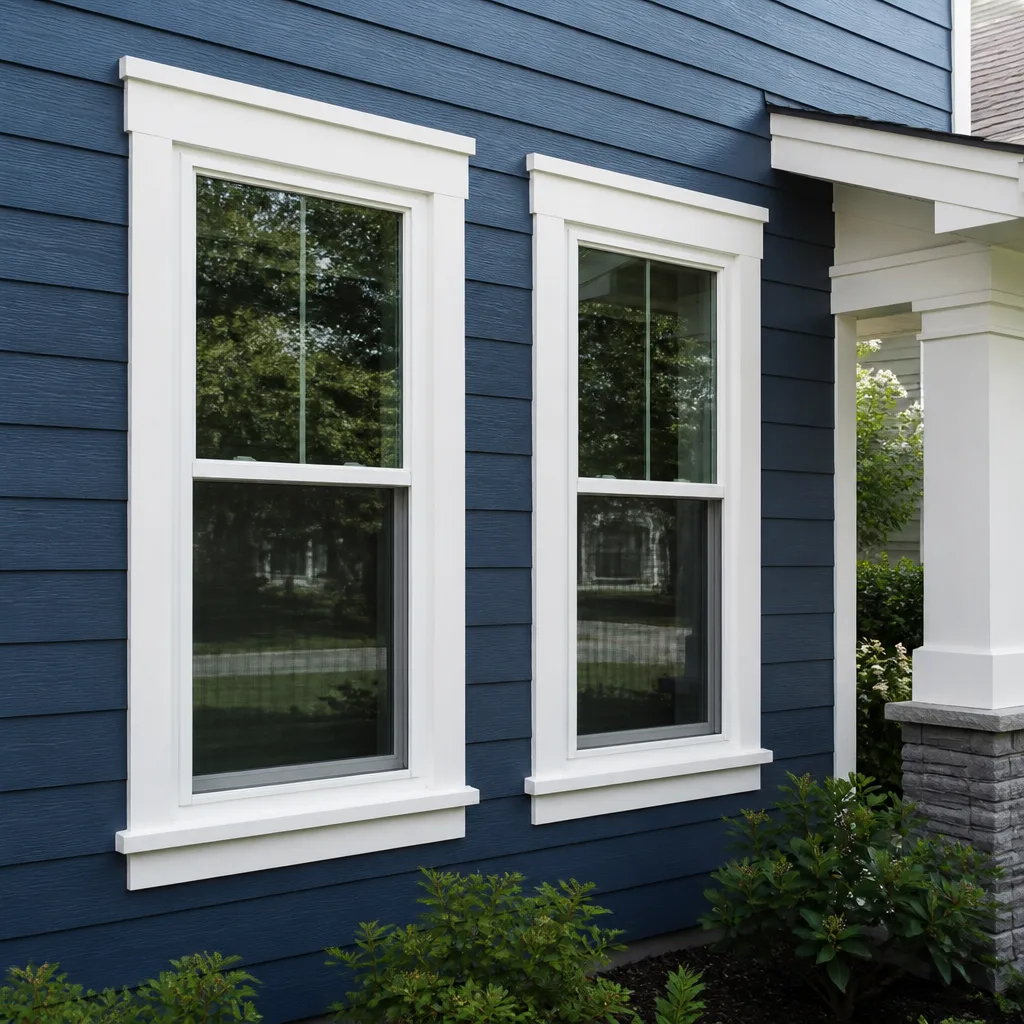
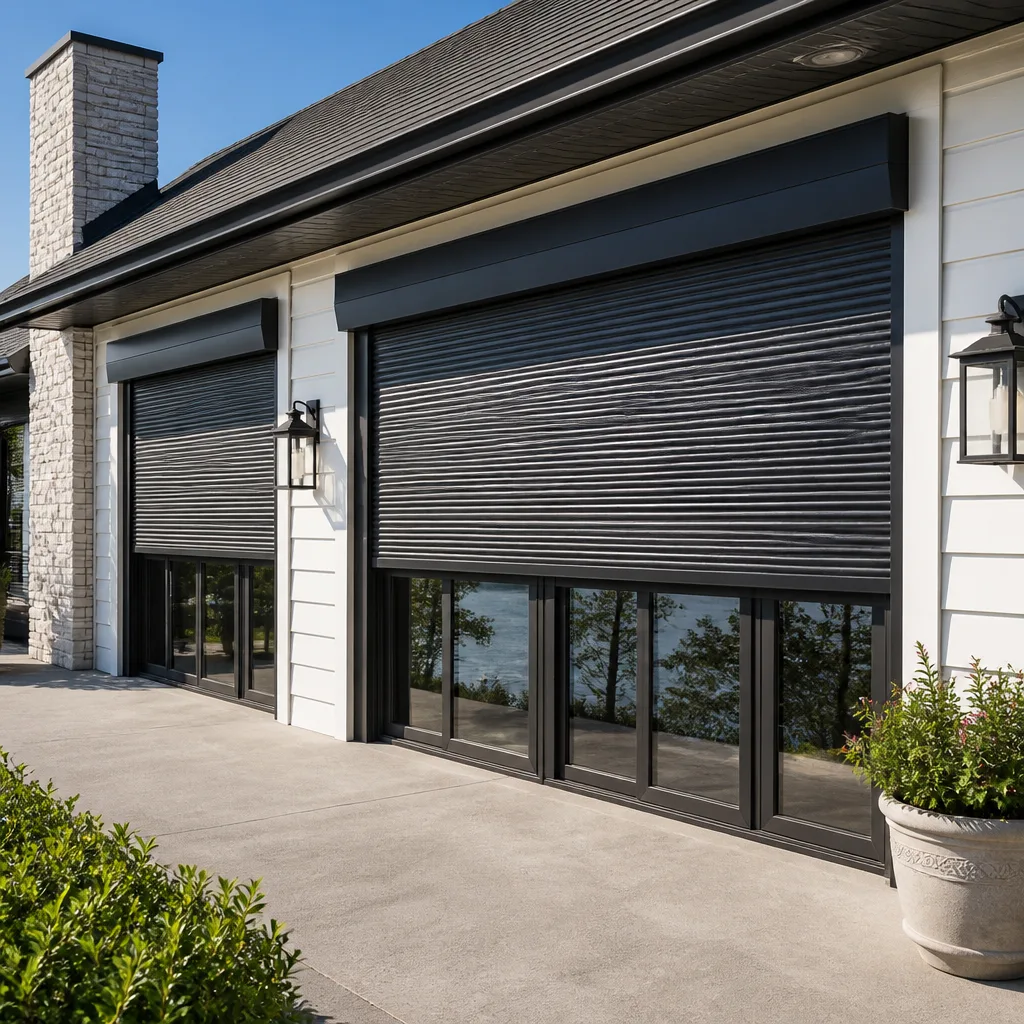
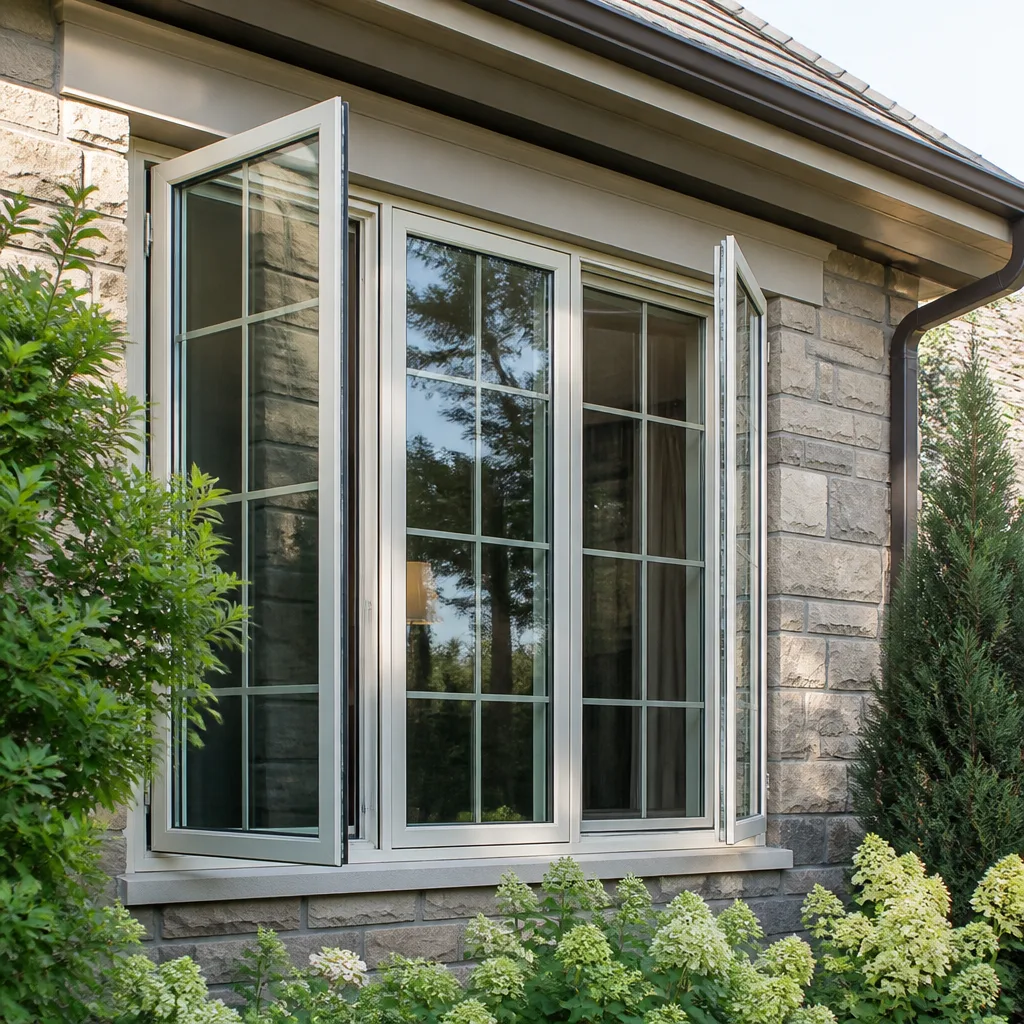
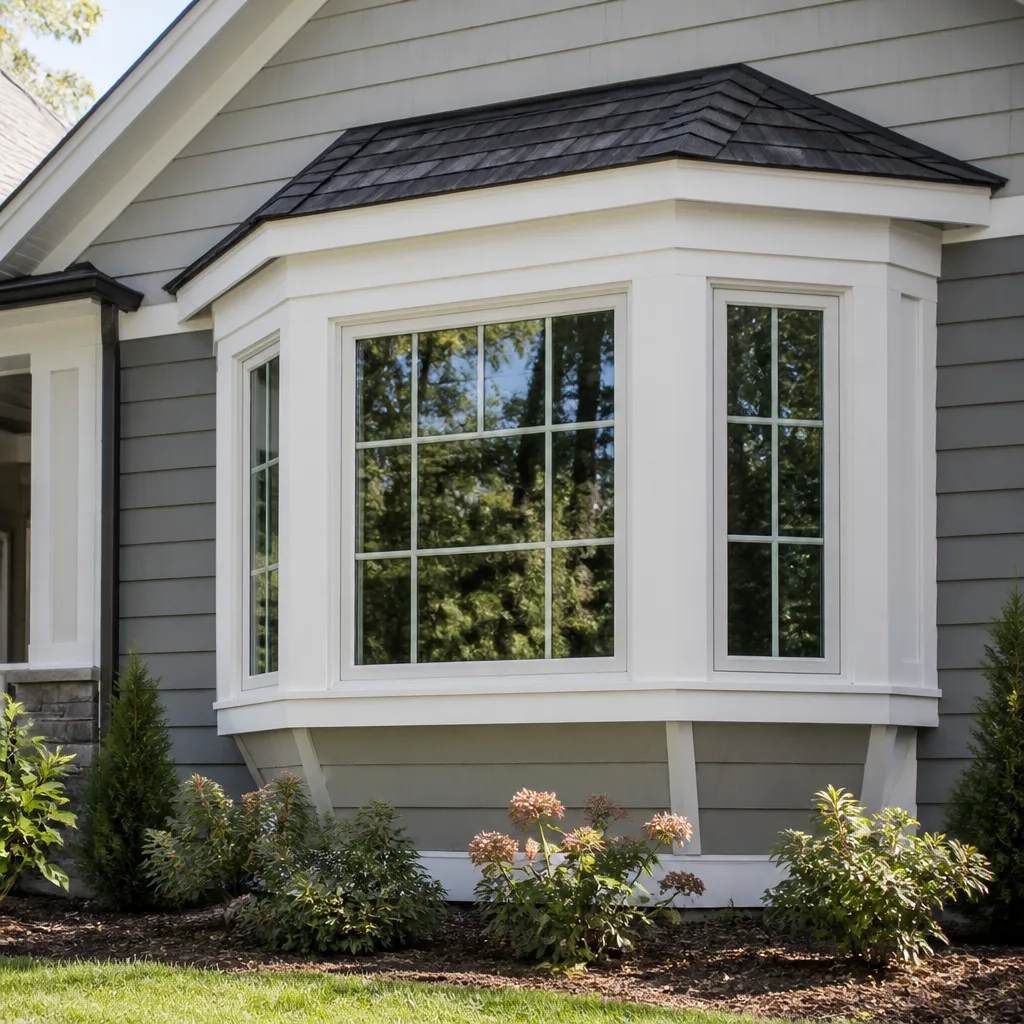
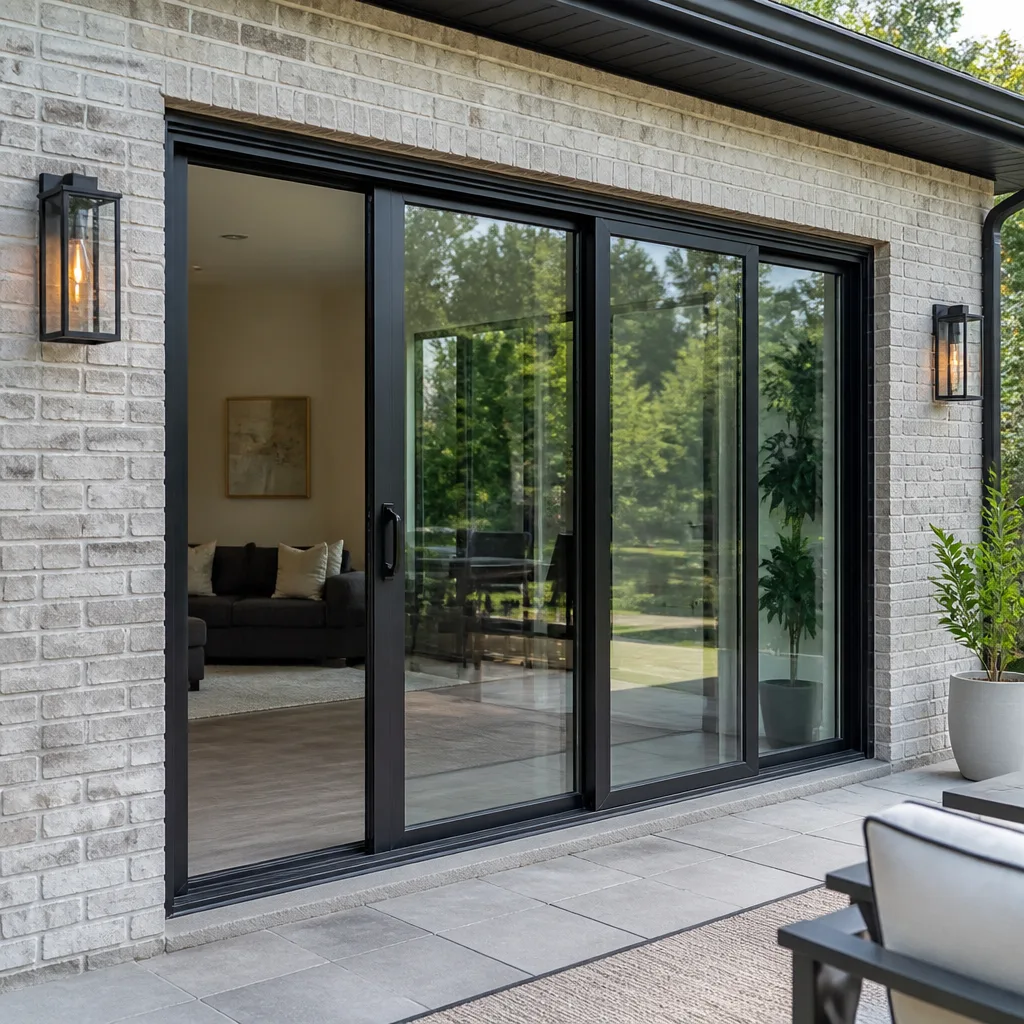
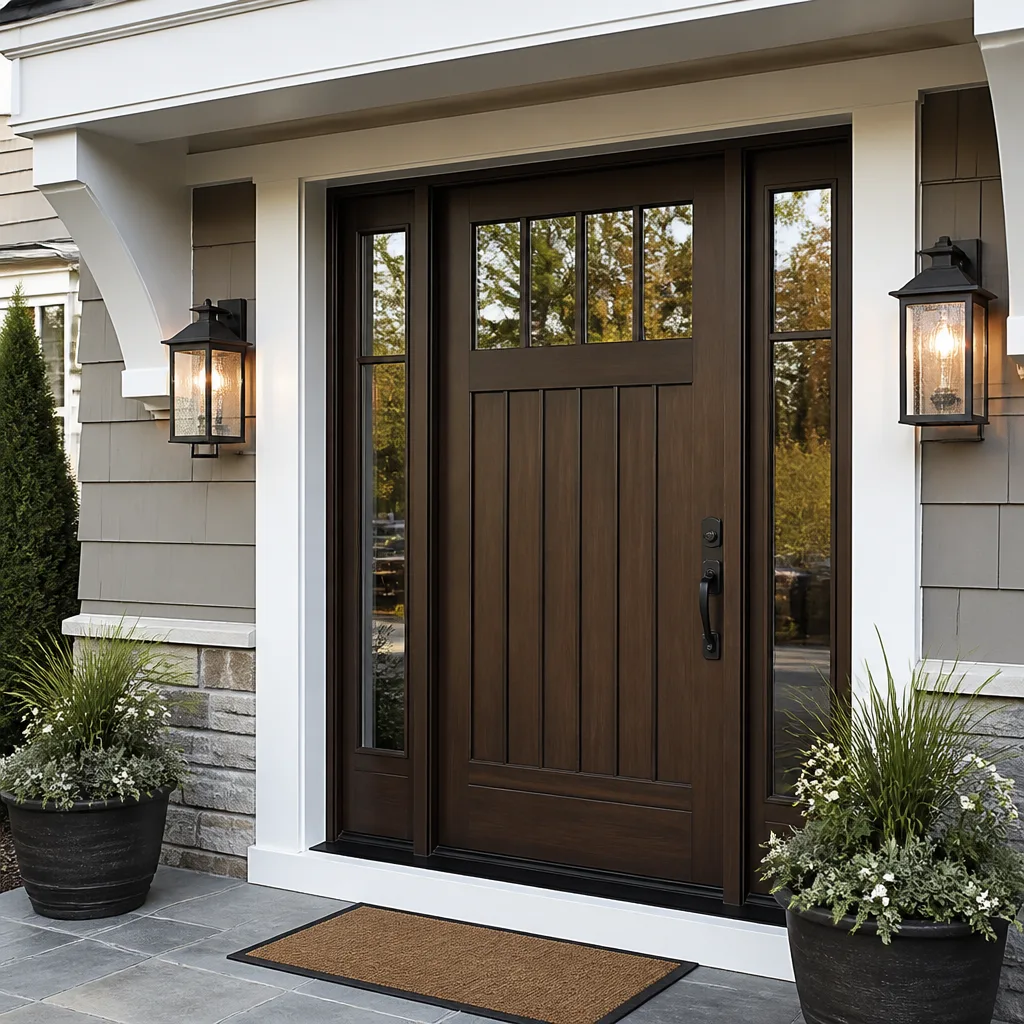
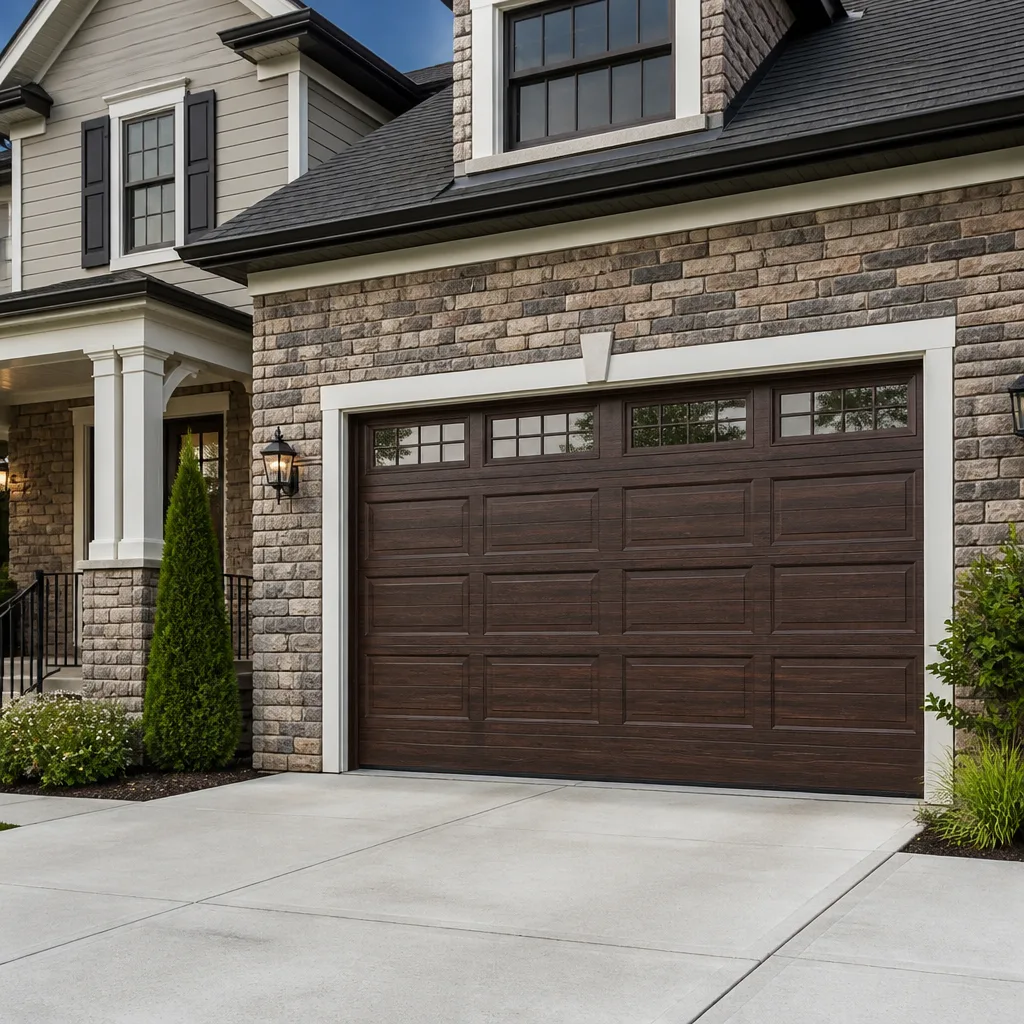
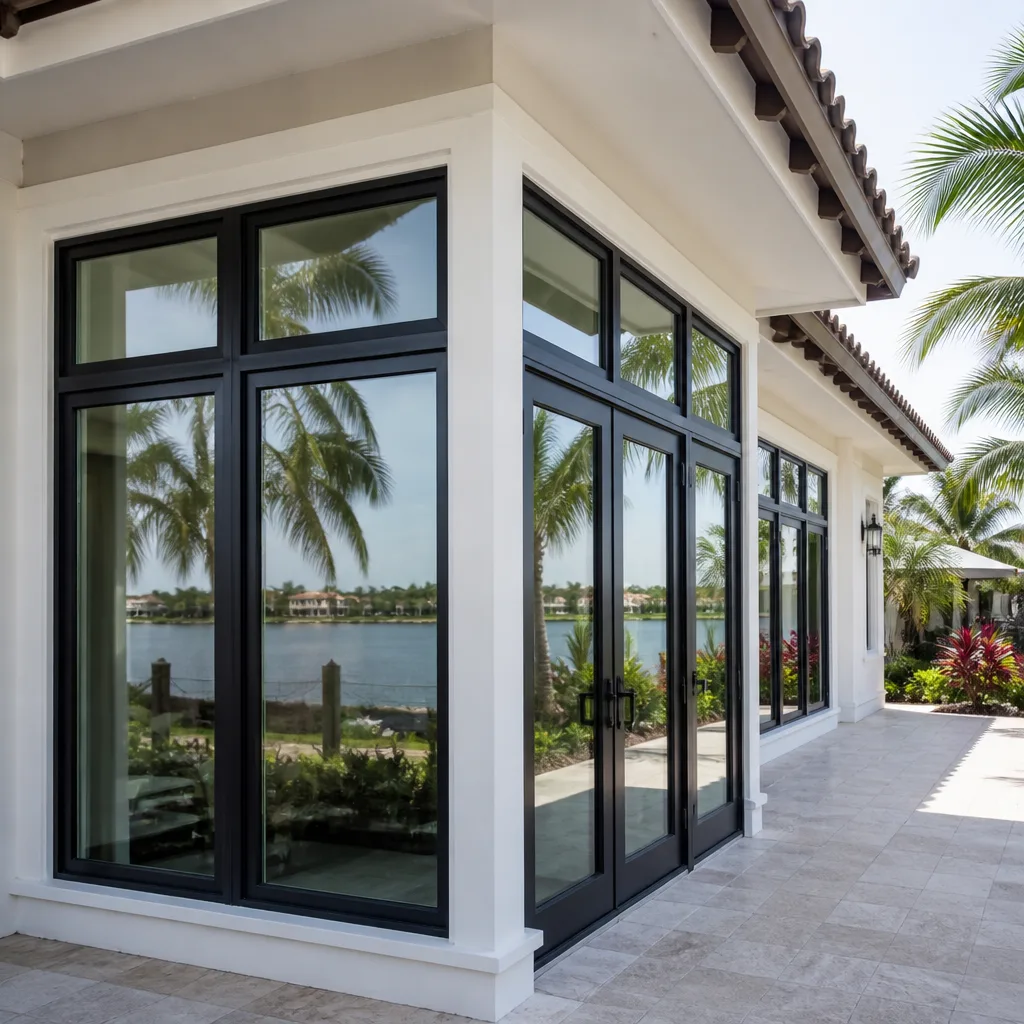
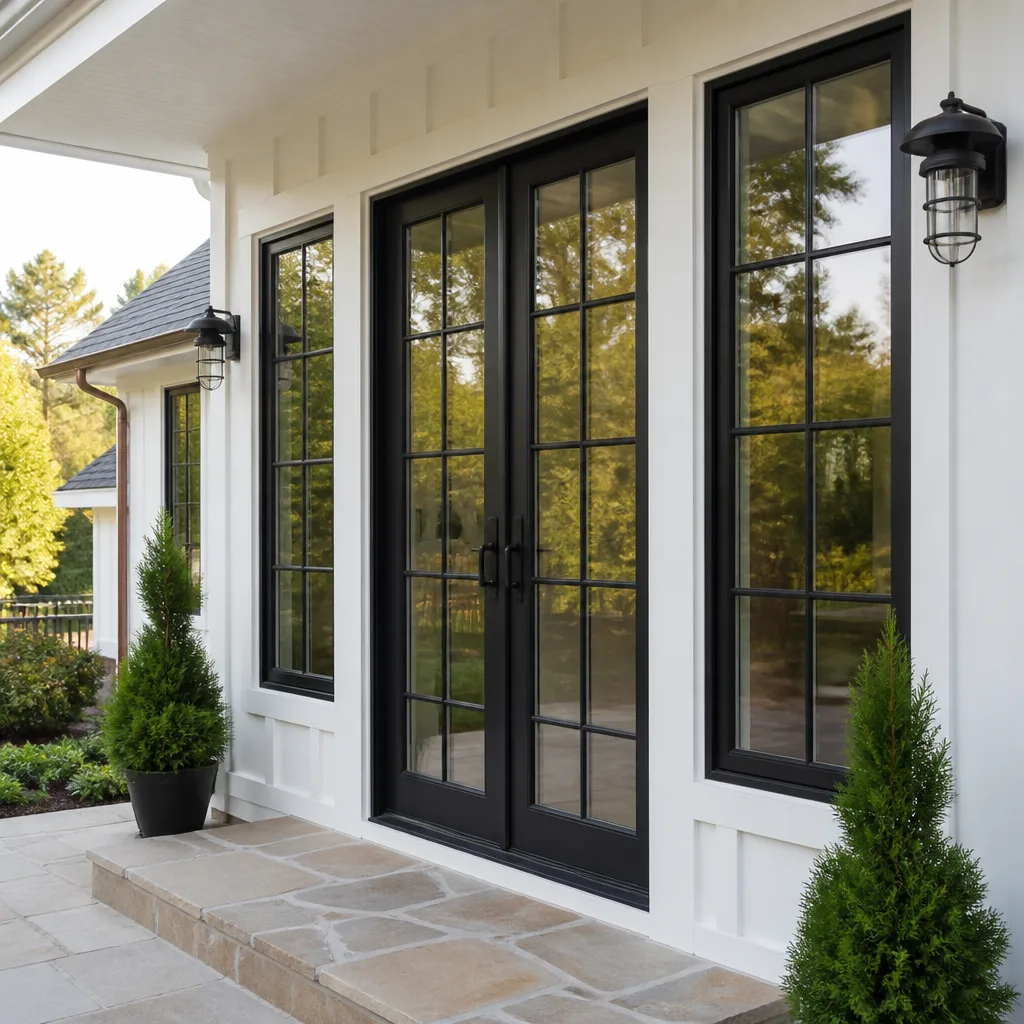
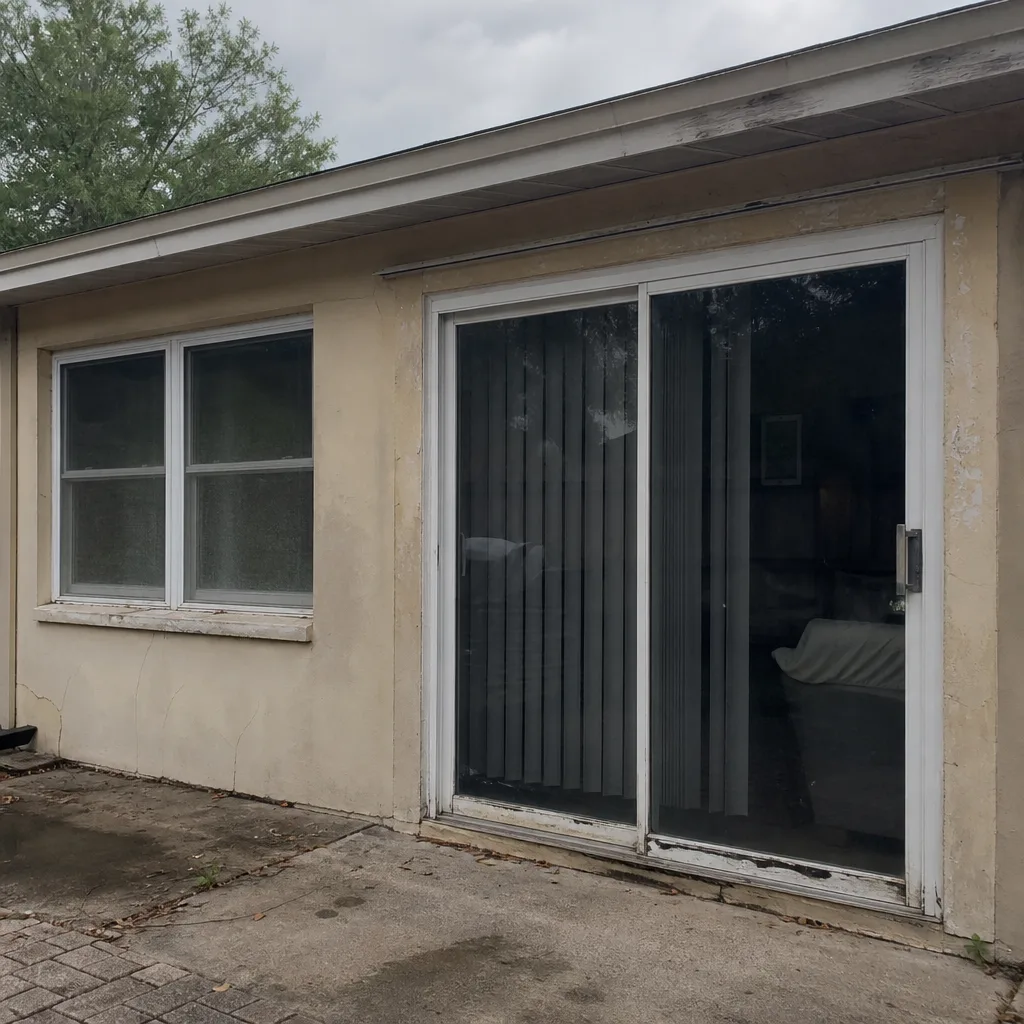 Before
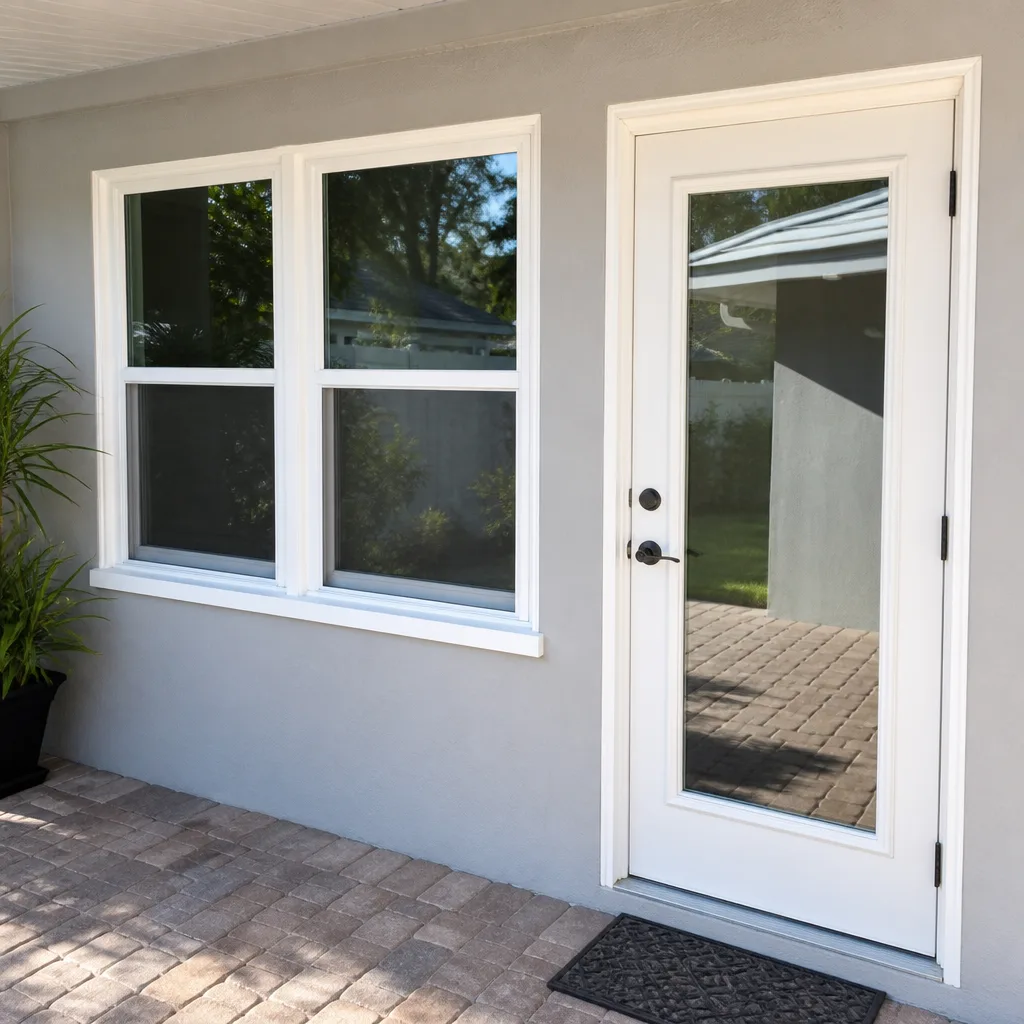 After
After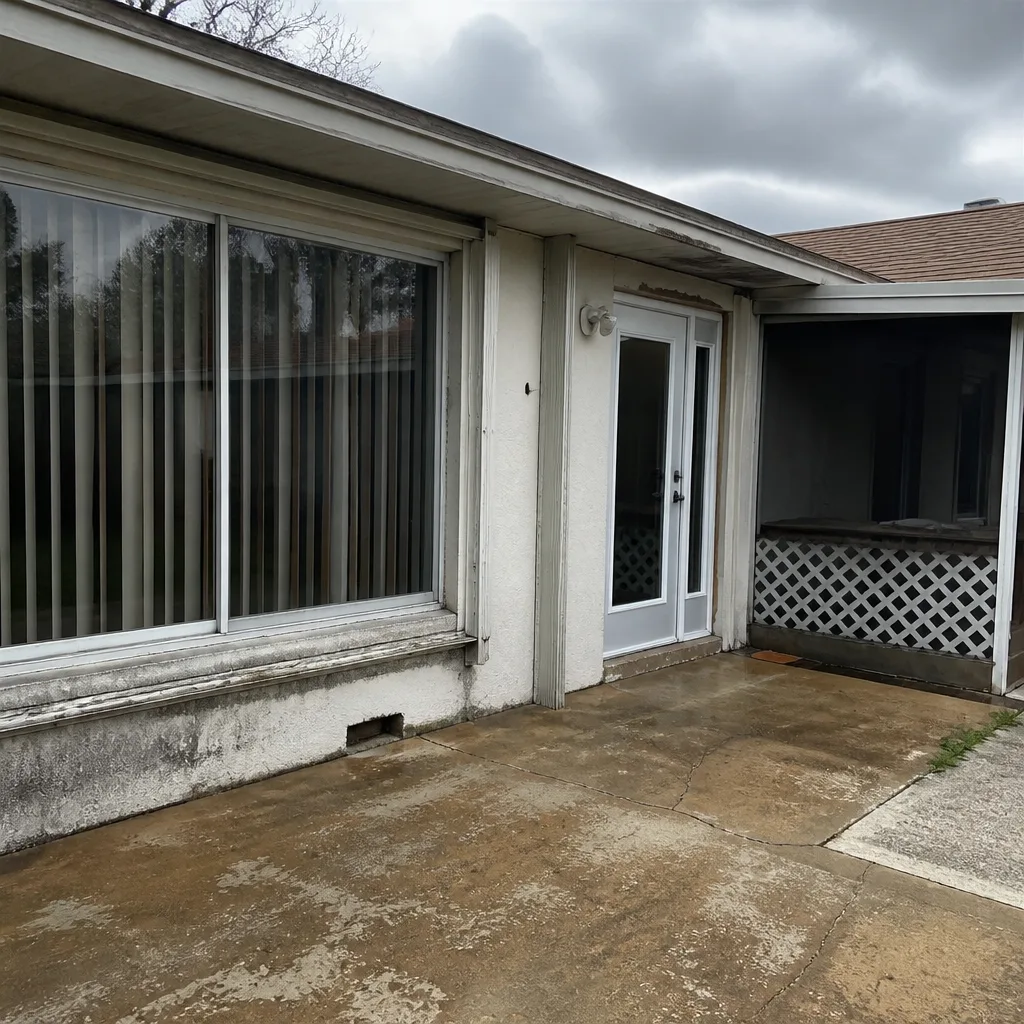 Before
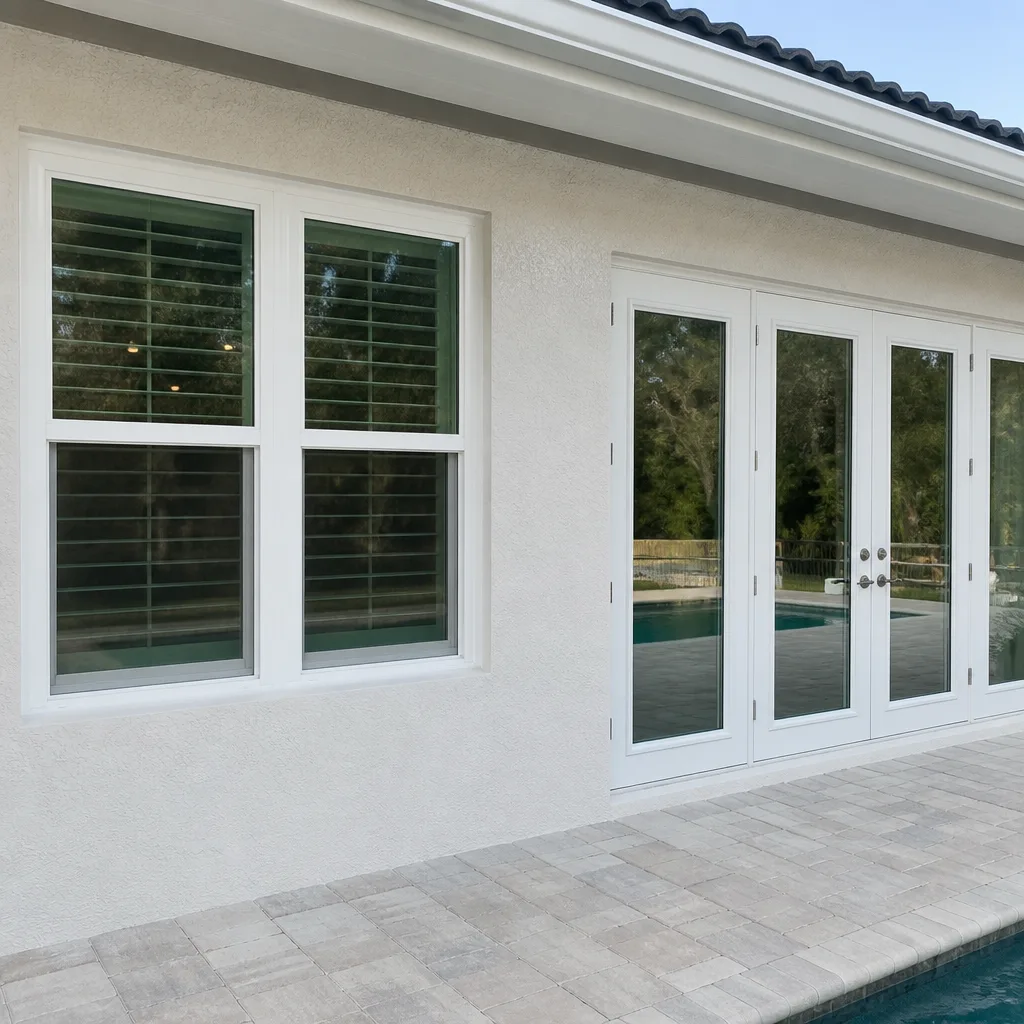 After
After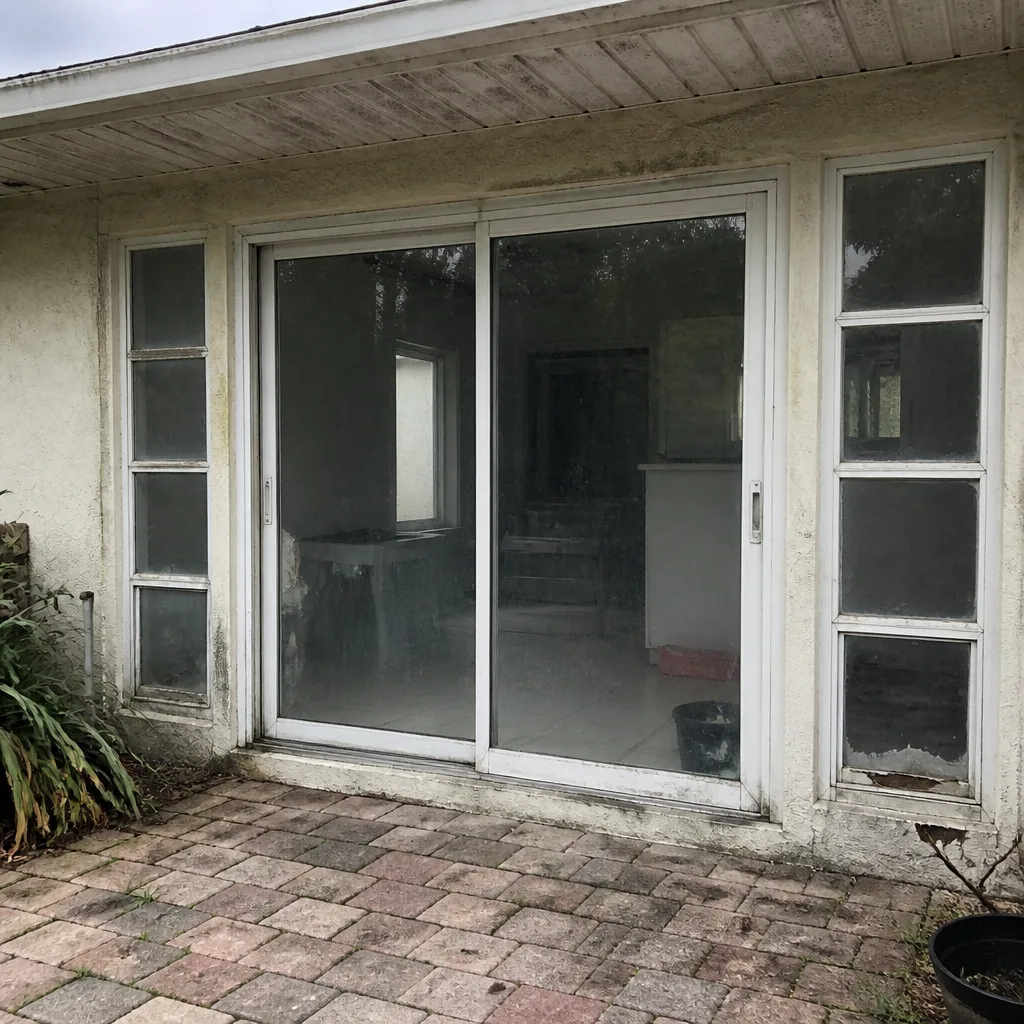 Before
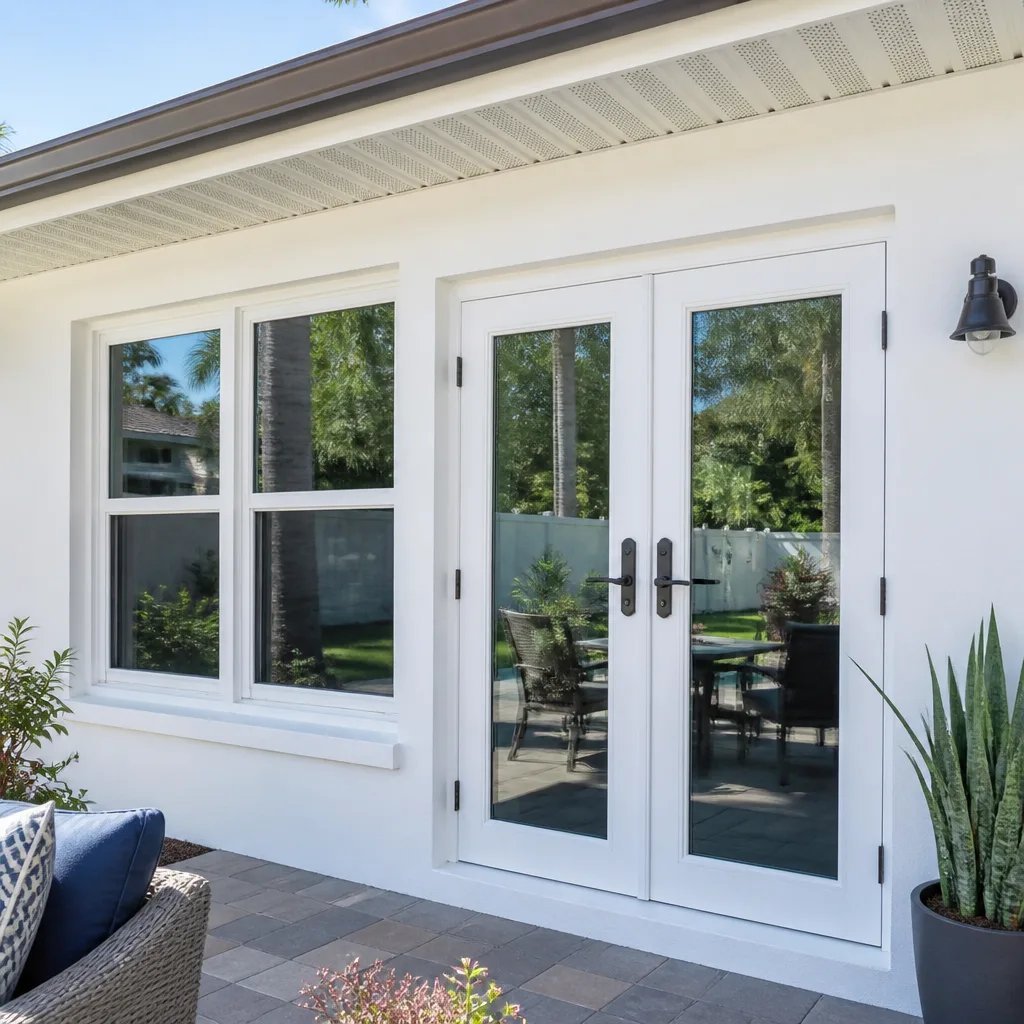 After
AfterThe Complete Guide to Windows & Doors in Tampa
Most “complete guides” to windows and doors are written in Ohio and pasted onto Florida URLs. Here’s what they get wrong about the only city where your windows face both a Category 4 hurricane and 95% humidity on the same afternoon. Standard advice about frame materials, glass packages, and installation methods falls apart when applied to Tampa’s salt-air corridor, wind-load zones, and insurance landscape. This guide rebuilds the decision from scratch using what Tampa’s climate, building codes, and insurance market actually demand. You’ll learn how to choose products that survive our storms, satisfy our inspectors, and still look sharp after a decade of Florida sun.
Quick Answer
Windows and doors in Tampa must be selected and installed around three local realities: wind-load ratings that vary by zip code within Hillsborough County, salt-air corrosion within roughly three miles of the bay or Gulf, and homeowner’s insurance premium calculations that reward impact-rated products. The right approach is to verify Florida Product Approval numbers before signing any contract, choose frame materials suited to your specific Tampa location’s exposure, and have everything installed by a contractor who understands Hillsborough County inspection requirements. Expect impact-rated window packages to run $800-$1,400 per opening installed, with premium brands like PGT and CGI sitting at the higher end. Call (386) 559-6999 for a free estimate tailored to your home’s exact wind zone.
Table of Contents
- Why Tampa’s Climate Breaks the Standard Advice
- Wind-Load Zones: Why a Window Legal in Brandon May Fail in Ballast Point
- The Salt-Air Corridor: What Lives Within Three Miles of the Bay
- Impact Windows vs. Builder-Grade: The Insurance Math Nobody Shows You
- Door Slab vs. Pre-Hung Systems: Why Humidity Makes This Decision Critical
- Florida Product Approval Numbers: How to Verify Before You Sign
- Frame Materials That Work in Tampa (and Two That Don’t)
- When to Install: Tampa’s Calendar and Why It Matters
- Common Mistakes to Avoid
- When to Call a Professional
- Frequently Asked Questions
- The Bottom Line
Why Tampa’s Climate Breaks the Standard Advice
Tampa sits in a climate that punishes compromise. The average annual humidity hovers around 74%, with summer months regularly pushing past 90%. Salt spray travels inland from Tampa Bay and the Gulf of Mexico, settling on window frames, door hardware, and weatherstripping. UV index readings hit “extreme” for much of the year. And then there’s the wind: Tampa’s location means we face direct hurricane landfalls, not just glancing blows.
What does this mean for windows and doors? Three things the national guides rarely mention. First, aluminum frames without proper thermal breaks will sweat in our humidity, dripping condensation onto sills and drywall. Second, untreated steel door components will corrode faster than homeowners expect, and that corrosion accelerates dramatically the closer you live to the water. Third, standard low-E coatings designed for northern climates actually work against you in Tampa by trapping heat inside during the eight months of the year you’re running air conditioning. You need low-E coatings tuned for cooling climates, often called spectrally selective or southern low-E.
We’ve replaced enough windows in Tampa to see the pattern plainly: products that perform beautifully in Atlanta or Charlotte fail here within five to seven years. The failure isn’t always dramatic. Sometimes it’s a slow warping of a door slab that no longer seals against the jamb. Sometimes it’s a hazy film developing between glass panes as sealant breaks down under UV load. The lesson is simple: buy for Tampa’s conditions, not for a generic “Florida” label that some manufacturer slaps on a product designed for Jacksonville’s milder coastal climate.
Wind-Load Zones: Why a Window Legal in Brandon May Fail in Ballast Point
Florida’s building code assigns wind-load requirements based on your home’s exact location, and Hillsborough County contains multiple zones with meaningfully different standards. A window that passes inspection in Brandon, which sits inland with lower wind-speed maps, may not satisfy the requirements in Ballast Point or Davis Islands, where proximity to open water pushes design pressure ratings higher.
The technical term is “design pressure,” or DP rating. It measures how much wind force a window or door can withstand before structural failure. Tampa homes within a mile of the bay often require DP 50 or higher, while homes further inland may only need DP 35. This isn’t a suggestion; it’s what the inspector will check against your product’s Florida Product Approval documentation. If your window’s approval number doesn’t list a DP rating that matches or exceeds your home’s wind zone requirement, the inspection fails and the window comes out.
Here’s a practical way to think about it:
- Determine your wind zone. Check your home’s original permit documents or ask a local contractor to run the calculation. The key factors are distance from the coast, exposure category, and roof height.
- Match the DP rating. Every Florida Product Approval lists the maximum design pressure that product achieved in testing. You need a product rated at or above your zone’s requirement.
- Verify the approval is current. Florida Product Approvals expire and must be renewed. An expired approval number is worthless at inspection.
In our experience estimating impact windows in Tampa, roughly one in three homes we visit has at least one window that wouldn’t pass today’s code if it were being installed new. The code tightened significantly after Hurricane Andrew, and older homes especially often sit below current wind-load requirements. That matters for insurance too, which we’ll cover shortly.
The Salt-Air Corridor: What Lives Within Three Miles of the Bay
If your Tampa home sits within about three miles of Tampa Bay or the Gulf, you live in what we call the salt-air corridor. This zone changes the math on frame materials, hardware, and even the fasteners used during installation. Salt particles carried by coastal breezes settle on every exposed surface, and when combined with our humidity, they create a mild but persistent corrosive environment.
What does this mean practically? Unprotected aluminum window frames will develop pitting and white oxidation spots within a few years. Standard steel door hinges and threshold screws will rust. Weatherstripping will degrade faster. Even stainless steel needs to be the right grade: 304 stainless handles most inland applications, but homes in South Tampa, Westshore, Bayshore Beautiful, and Davis Islands should lean toward 316 marine-grade stainless for hardware that touches the outside.
Door hardware especially gets overlooked. The lockset on a front door in Palma Ceia may last 15 years, while the same lockset on a door in Ballast Point will show rust spots in three. The difference is salt concentration in the air. When you’re selecting a new entry door system, pay attention to the finish on hinges, thresholds, and kick plates. Look for products rated for coastal or marine environments. Brands like Therma-Tru offer coastal-rated door systems with corrosion-resistant components that hold up far better than standard hardware in Tampa’s salt-air zones.
Impact Windows vs. Builder-Grade: The Insurance Math Nobody Shows You
Here’s the calculation most guides skip: the true cost of “builder-grade” windows in Tampa isn’t the sticker price. It’s the insurance surcharge you’ll pay every single year for owning a home without wind-mitigation features.
Florida law requires insurers to offer discounts for homes with verified wind mitigation features. Impact-rated windows and doors are among the most heavily weighted features in the state’s wind mitigation inspection form. A home in Tampa with full impact-rated openings can expect meaningful annual premium reductions, sometimes 30% or more depending on the carrier and the home’s other characteristics. Over a decade, that difference can approach or even exceed the additional cost of the impact-rated products.
Here’s the comparison a homeowner actually faces:
- Builder-grade window package: $450-$650 per opening installed. No insurance discount. No storm protection. Replacement likely needed sooner due to UV and humidity degradation. Higher risk of interior damage during a storm, which means higher deductible exposure.
- Impact-rated window package: $800-$1,400 per opening installed. Insurance discount available after wind mitigation inspection. Storm protection built in, eliminating the need for shutters or plywood. Longer service life in Tampa’s climate. Stronger resale positioning.
The gap narrows further when you factor in the cost of storm shutters, which many Tampa homeowners with standard windows end up buying anyway. By the time you add a quality shutter system to builder-grade windows, you’re within striking distance of impact-rated windows that require no action when a storm approaches.
For the full picture on window replacement in Tampa, including breakdowns by brand and window type, our replacement guide walks through what we see in local homes every week.
Door Slab vs. Pre-Hung Systems: Why Humidity Makes This Decision Critical
In drier climates, replacing a door slab (just the swing panel, keeping the existing frame) is often a perfectly reasonable approach. Tampa’s humidity changes that calculation. When a door slab swells or warps in our moisture, the original frame has usually moved too, even if imperceptibly to the eye. Installing a new slab into a slightly out-of-square frame means gaps, drafts, and a door that won’t seal against the weatherstripping, which in turn means humid outside air pouring into your air-conditioned envelope.
Pre-hung door systems replace the entire unit: slab, frame, threshold, and weatherstripping all together. The advantage is that every component is manufactured to fit as a system, built square at the factory rather than adapted to an existing frame on site. In Tampa, where our humidity cycles stress door assemblies year-round, pre-hung systems consistently outperform slab replacements.
This matters most for exterior doors, obviously, but it also applies to interior doors that separate air-conditioned space from non-conditioned space (like garage access doors or laundry room doors). A warped interior door in a Tampa home isn’t just an aesthetic annoyance; it’s a gap in your thermal envelope that your air conditioner is working to overcome every day.
When selecting a pre-hung system, choose weatherstripping rated for high-humidity coastal environments. Q-Lon and similar synthetic compression seals hold their shape better than foam or felt in Tampa’s conditions. And if you’re installing a new entry door anywhere in the salt-air corridor, ask about composite or fiberglass slabs rather than solid wood; brands like Therma-Tru build fiberglass entry systems that resist warping and swelling in ways solid wood simply cannot match in our climate.
Florida Product Approval Numbers: How to Verify Before You Sign
Every window and exterior door sold and installed in Florida must carry a valid Florida Product Approval number issued by the Florida Department of Business and Professional Regulation. This approval certifies that the product has been tested to meet the state’s wind-load, water-infiltration, and structural standards. Without a current approval number, a product is not legal to install in Tampa, and no amount of contractor confidence will get it past a Hillsborough County inspector.
Here’s how to verify a Florida Product Approval before you sign anything:
- Ask for the approval number in writing. Any legitimate contractor or supplier will provide it without hesitation. It looks like “FL12345” or similar.
- Search the Florida Product Approval database. The state maintains a public searchable database. Look up the number and confirm the product matches what’s being quoted (manufacturer, model, size range, and impact rating).
- Check the approval’s expiration date. Approvals lapse. If the certificate shows an expiration date that has passed or is approaching, verify that a renewal exists.
- Confirm the DP rating covers your wind zone. The approval document lists maximum design pressures. If your home requires DP 50 and the product only tested to DP 35, it fails, even with a valid approval number.
We pull Florida Product Approvals as a standard part of every window installation in Tampa. It’s not an add-on service; it’s the minimum standard for doing the job legally. Any contractor who hesitates when you ask for an approval number is revealing something important about how they operate.
Frame Materials That Work in Tampa (and Two That Don’t)
Frame material determines how a window handles Tampa’s moisture, salt, UV, and temperature swings. Here’s an honest breakdown of what holds up and what we tell homeowners to avoid.
- Aluminum with thermal break: The workhorse of Florida impact windows. Strong, rigid, and naturally resistant to the warping that affects other materials in humidity. The key is the thermal break, a non-conductive barrier that prevents the condensation and heat transfer that plague old single-piece aluminum frames. Without a thermal break, aluminum sweats in Tampa’s humidity.
- Vinyl: Common and affordable, but performance varies widely by quality. Thick-wall vinyl with multi-chamber construction resists our UV load reasonably well. Thin, bargain vinyl fades, gets brittle, and warps within a decade. Vinyl also expands more than aluminum in Tampa’s heat, which can affect long-term seal integrity if the window wasn’t engineered for it.
- Fiberglass and composite: Excellent dimensional stability in humidity, minimal expansion, and good insulation values. Less common in impact-rated configurations, but brands like ES Windows and ECO Window Systems offer products that combine composite structural elements with impact-rated glass packages.
- Solid wood without factory cladding: Avoid for exterior application in Tampa. Wood absorbs our humidity, swells, and supports mold growth in ways that require constant maintenance. Factory-clad wood (aluminum or vinyl cladding over a wood core) can work, but raw wood frames are a poor fit for our climate.
- Uncoated steel: Avoid in the salt-air corridor. Steel door frames and window reinforcements corrode aggressively near the water. If steel is specified for structural reasons, it must be galvanized or otherwise treated, and even then, marine-grade hardware is non-negotiable within three miles of the bay.
For most Tampa homes, the sweet spot is impact-rated aluminum with a proper thermal break, or premium vinyl from a manufacturer that engineers specifically for Florida’s UV and humidity profile. Eco Window Systems and Mr-Glass both produce lines that perform well in our conditions, and we’ve installed both across Tampa with consistent long-term results.
When to Install: Tampa’s Calendar and Why It Matters
You can technically install windows and doors in Tampa year-round, which is one of the benefits of our mild winters. But the calendar still matters for comfort, scheduling, and pricing.
The busiest season runs from roughly October through April, which overlaps with the end of hurricane season and the arrival of snowbirds and seasonal residents. Demand peaks in late winter and early spring. If you want the most scheduling flexibility, consider installing during the summer months. Yes, it’s hot, and yes, you’ll run the air conditioner harder during installation. But contractors have more availability, and some Tampa homeowners find they get more attention to detail when crews aren’t racing between double-booked jobs.
One timing consideration unique to Tampa: replacing windows during rainy season (June through September) means coordinating around afternoon thunderstorms. A professional installer plans for this with tarping and sequencing that keeps your home protected between removal and installation. This is another reason quality of installation matters as much as product choice: a rushed rainy-season install can expose your home to water intrusion if the crew doesn’t manage the sequence properly.
Here’s our practical recommendation:
- Plan the project, don’t rush it. Get quotes, verify approvals, and choose products deliberately. This is a 20-to-30-year decision.
- Schedule during the shoulder seasons (October-November or March-April) if you can. Weather is mild, and you’ll avoid both the worst of the heat and the peak of the winter rush.
- Be flexible if scheduling in summer. Afternoon thunderstorms are a reality of Tampa life. A good installer builds weather contingencies into the schedule.
Common Mistakes to Avoid
- Assuming all “Florida” windows are equal. Florida Product Approval covers a wide range of performance levels. A window legal in Jacksonville may not meet Tampa’s wind-load requirements, especially near the bay. Verify the DP rating against your specific address.
- Ignoring the salt-air factor because you’re “far enough” from the water. Salt travels farther than most homeowners expect, especially on prevailing westerly breezes from the Gulf. Homes in Westchase and Carrollwood still see accelerated hardware corrosion compared to inland Florida.
- Replacing a door slab into an old frame without checking square. Tampa’s humidity cycles warp frames subtly. A new slab in a warped frame means air leaks you won’t notice until the first electric bill arrives.
- Buying on price alone without comparing Florida Product Approval documentation. Two windows can look identical and cost $200 apart, but the cheaper one may be rated for a lower DP or lack the impact certification your insurance company needs to apply the wind mitigation discount.
- Skipping the wind mitigation inspection after installing impact products. You don’t automatically get the insurance discount; you need a certified wind mitigation inspector to document the features and file the form. Many Tampa homeowners leave hundreds of dollars on the table every year by skipping this step.
- Using standard weatherstripping on exterior doors. Foam and felt weatherstripping break down quickly in Tampa’s heat and humidity. Specify synthetic compression seals like Q-Lon on any exterior door installation.
- Waiting until a storm is forecast to replace old windows. Supply chains tighten and installers book out weeks ahead when a storm enters the Gulf. The time to upgrade to impact-rated protection is before you’re watching the forecast with dread.
When to Call a Professional
Window and door replacement is not a DIY project in Tampa, and the reasons go beyond convenience. Florida building code requires permits for structural openings, and that means a licensed contractor must manage the permit process and inspections. Improperly installed windows and doors can fail during a hurricane, and a DIY installation that doesn’t meet wind-load requirements may void your homeowner’s insurance coverage for storm damage.
Call a professional if your windows are more than 15 years old, if you see condensation between glass panes, if doors no longer seal against their frames, or if you’re planning to sell and want to position your home with verified wind mitigation features. Not sure where to start? Read our guide on how to hire a windows and doors contractor in Tampa. Winslow Windows & Doors offers free estimates in Tampa, call (386) 559-6999, and we’ll walk you through what your home actually needs, with Florida Product Approval documentation in hand.
Frequently Asked Questions
Impact-rated windows in Tampa typically run $800-$1,400 per opening installed, depending on size, brand, and frame material. Entry-level impact windows from value brands start around $700 per opening, while premium lines like PGT and CGI with enhanced glass packages can exceed $1,500 per opening. Call (386) 559-6999 for an exact quote on your home.
The required design pressure rating depends on your home’s exact location within Hillsborough County. Homes near the bay or Gulf typically require DP 50 or higher, while inland homes may only need DP 35. Your contractor should confirm your home’s wind zone and match products accordingly before installation.
Yes, impact-rated windows and doors are among the most heavily weighted features in Florida’s wind mitigation inspection form, and verified impact protection can reduce annual premiums by 30% or more depending on your carrier and home characteristics. You need a certified wind mitigation inspection after installation to claim the discount.
Yes, Florida maintains a public online database where you can search product approval numbers. Request the number from your contractor in writing, look it up, confirm the product matches the quote, check the expiration date, and verify the design pressure rating covers your wind zone.
Quality impact-rated windows installed correctly should last 20-30 years in Tampa. Builder-grade windows often show significant degradation within 10-15 years due to our UV load, humidity cycles, and salt exposure. Frame material and glass package quality are the biggest factors in longevity.
In Tampa, pre-hung door systems are almost always the better choice because our humidity warps existing frames subtly over time. A new slab in an out-of-square frame creates air leaks and seal failures that defeat the purpose of replacement. Pre-hung systems ensure every component fits as manufactured.
The Bottom Line
Windows and doors in Tampa are not a commodity purchase. They are the single most important line of defense your home has against hurricane wind, salt-air corrosion, and year-round humidity, and the cheapest product that passes code today is rarely the best value over a decade. Verify Florida Product Approvals, match design pressure ratings to your specific wind zone, choose frame materials that handle Tampa’s coastal conditions, and insist on installation by a contractor who understands Hillsborough County inspections. Done right, your investment pays you back in lower insurance premiums, lower cooling bills, and a home that’s actually protected when the next storm comes. For more guides & resources tailored to Tampa homeowners, explore our blog.
Ed Winslow founded Winslow Windows & Doors in 2011, and he’s been replacing windows, doors, and roofs across Tampa ever since. Learn more about Winslow Windows & Doors home or call (386) 559-6999 for a free estimate. A neighbor you can call at 2 a.m., and someone will actually answer. The one down the road.
Written by Ed Winslow, Owner at Winslow Windows & Doors, serving Tampa since 2011.
Six Reasons Homeowners Choose Winslow Windows & Doors
Impact systems engineered to design pressures up to +/-100, matched to your wind zone - your openings hold when the storm arrives.
Low-E insulated impact glass from our manufacturer lines commonly cuts monthly cooling bills 20-30%.
Laminated impact glass shuts out up to 40% of outside noise - traffic, neighbors, weather.
Monitoring services run $30-90 a month. Laminated impact glass resists forced entry around the clock, with no subscription.
Florida homeowners average around 25% savings on the windstorm portion of their policy after protecting every opening - some homes qualify for more.
A full impact package upgrades curb appeal, buyer confidence and appraised value in one project.