
Last updated August 27, 2026
Free in-home measure and quote - PGT, CGI and CWS impact lines compared on your actual openings, style by style
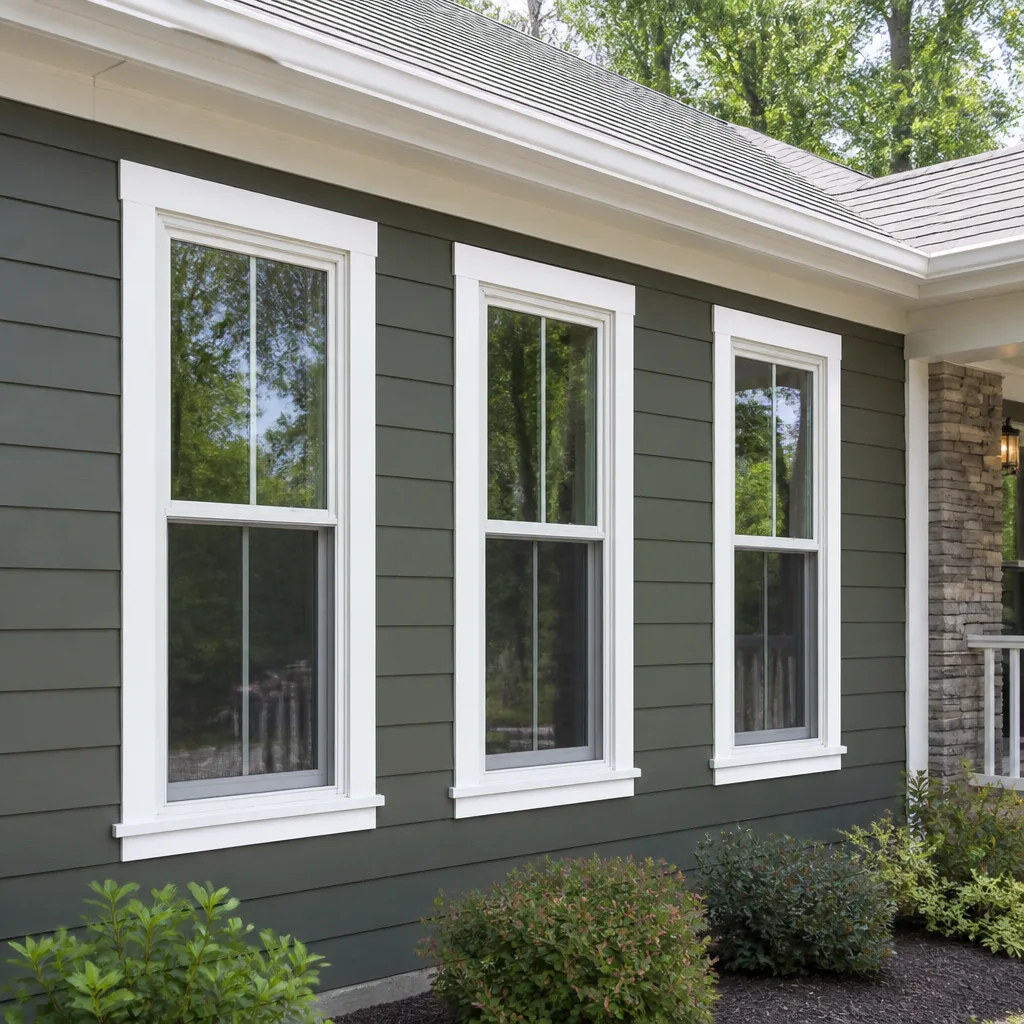
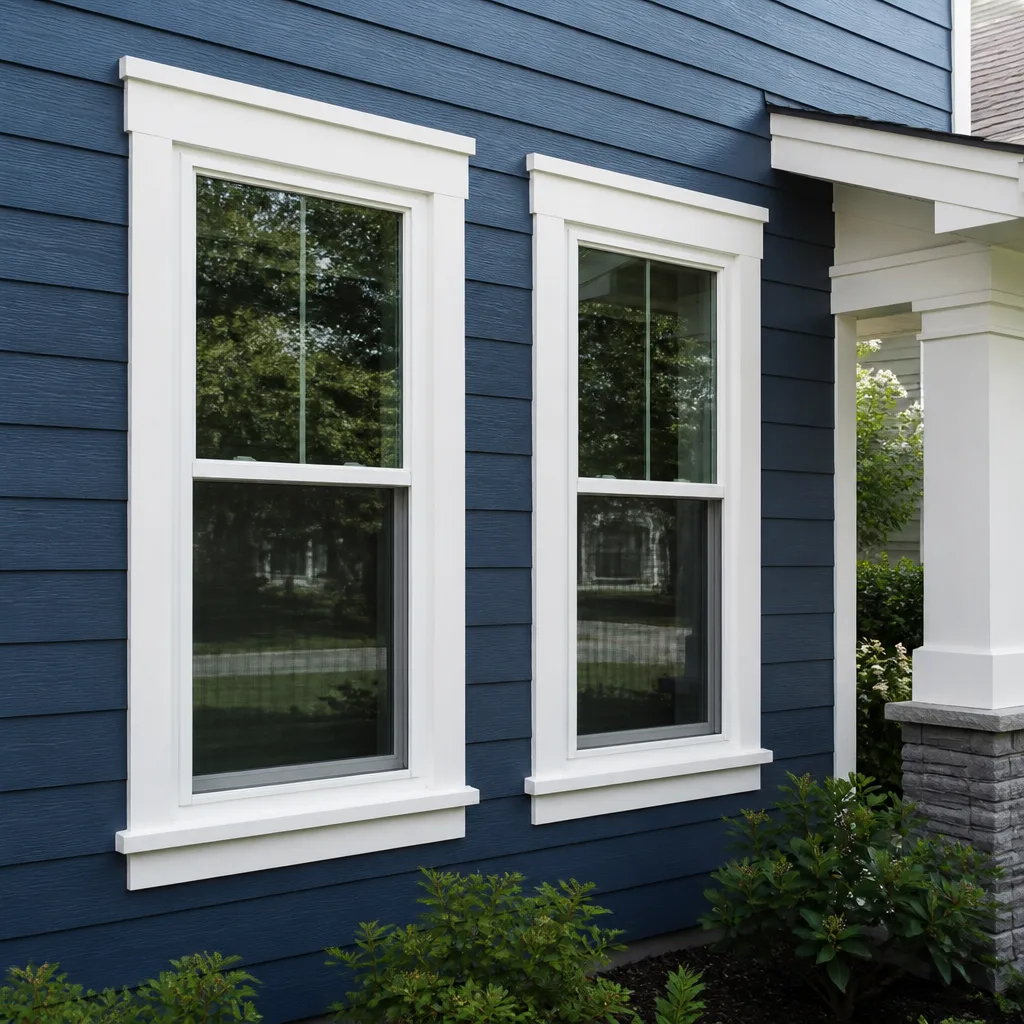
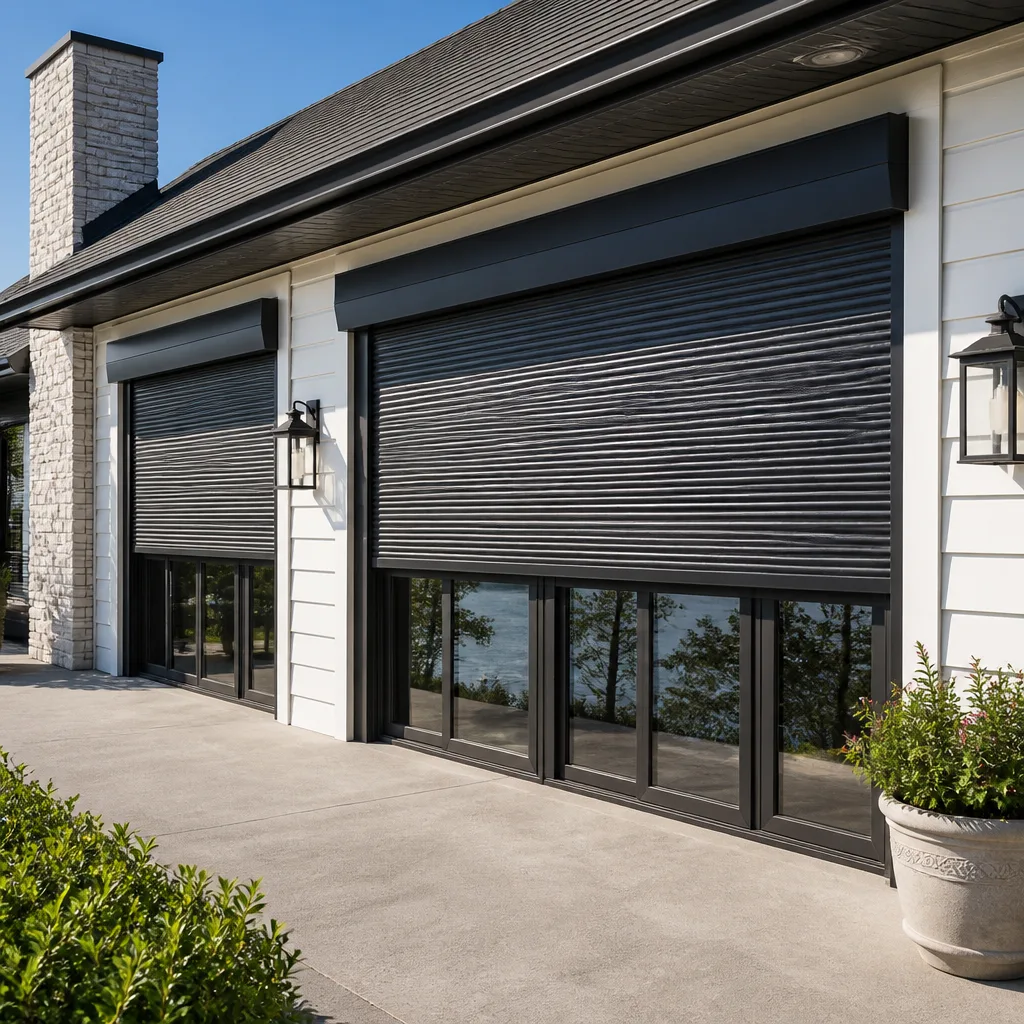
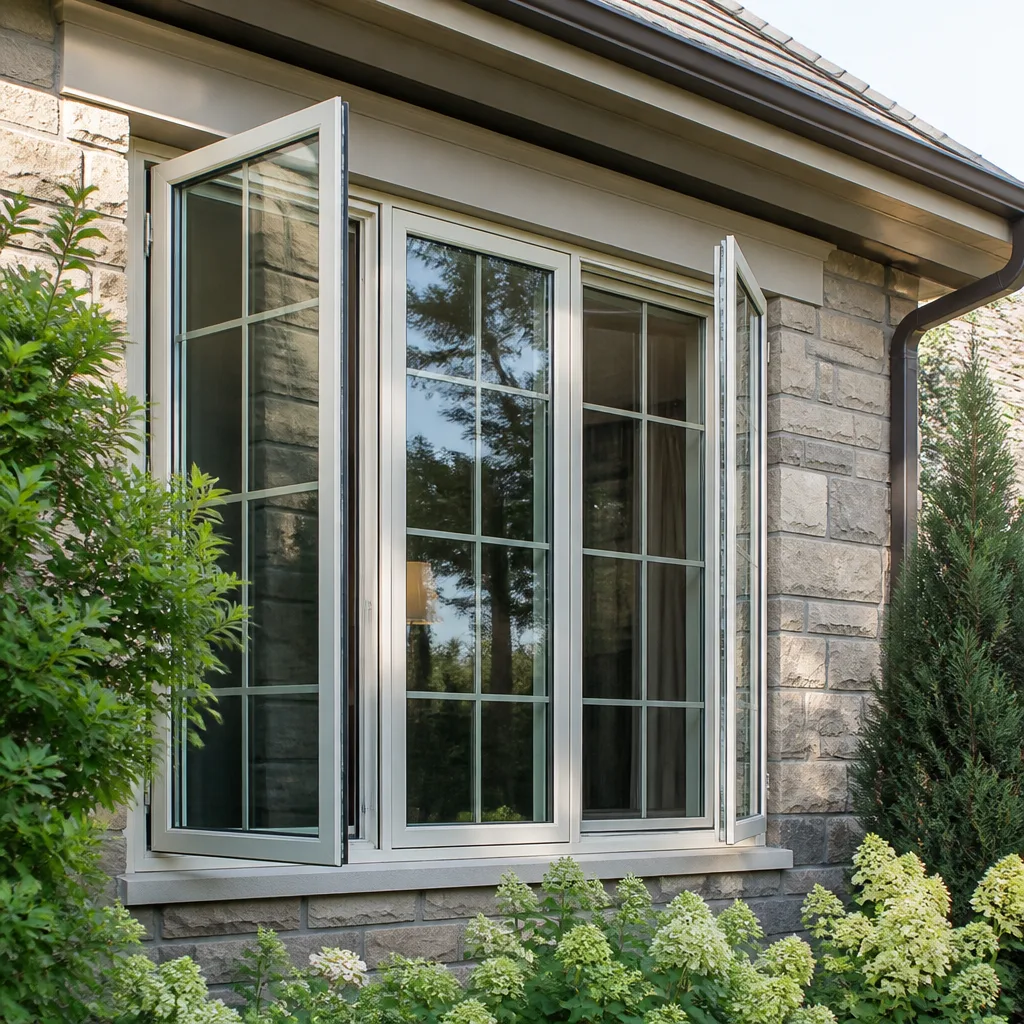

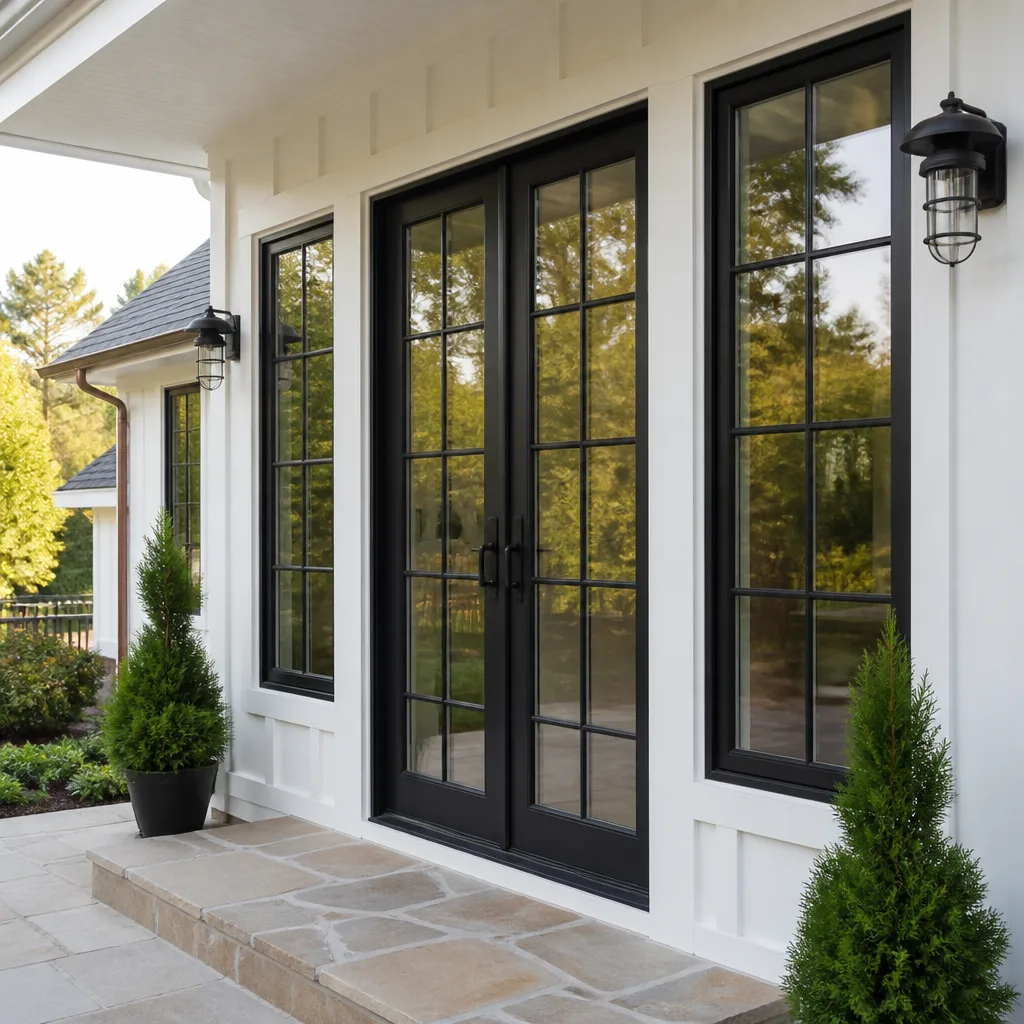
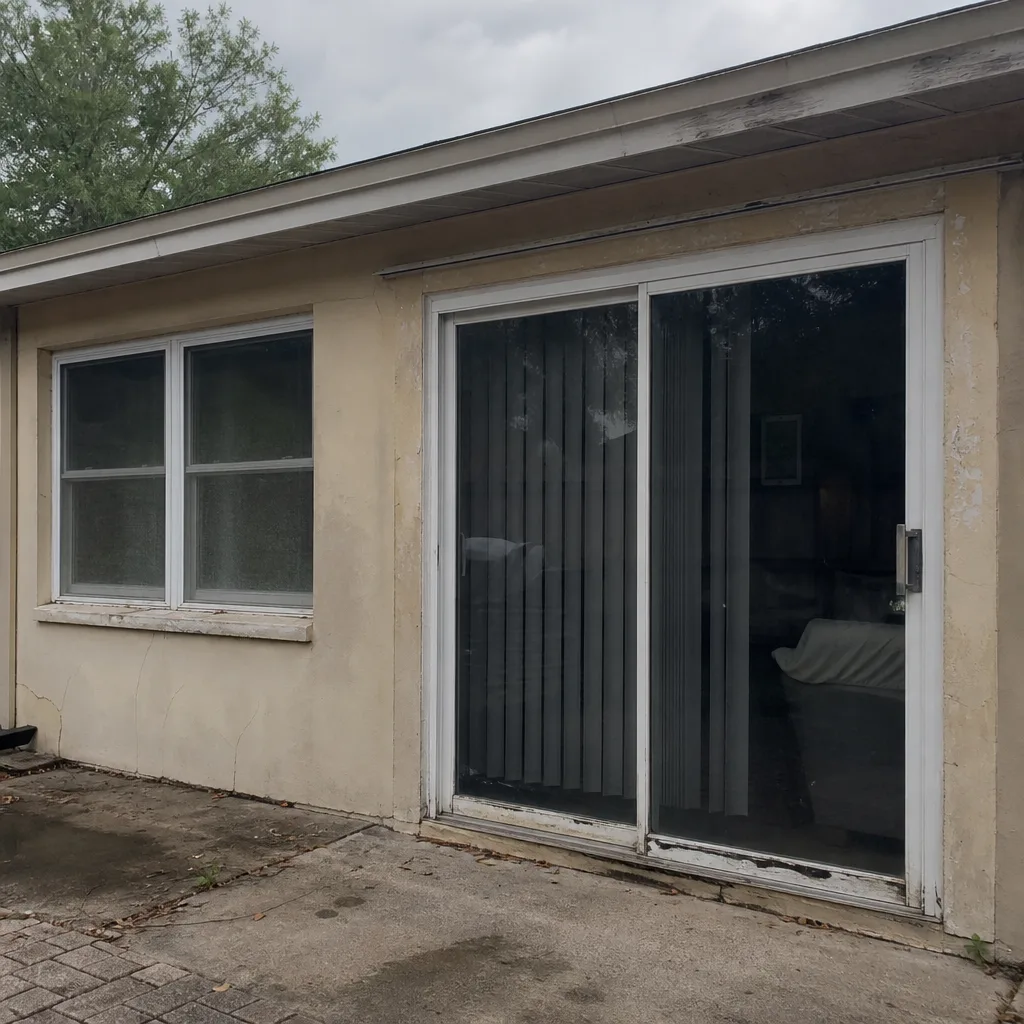 Before
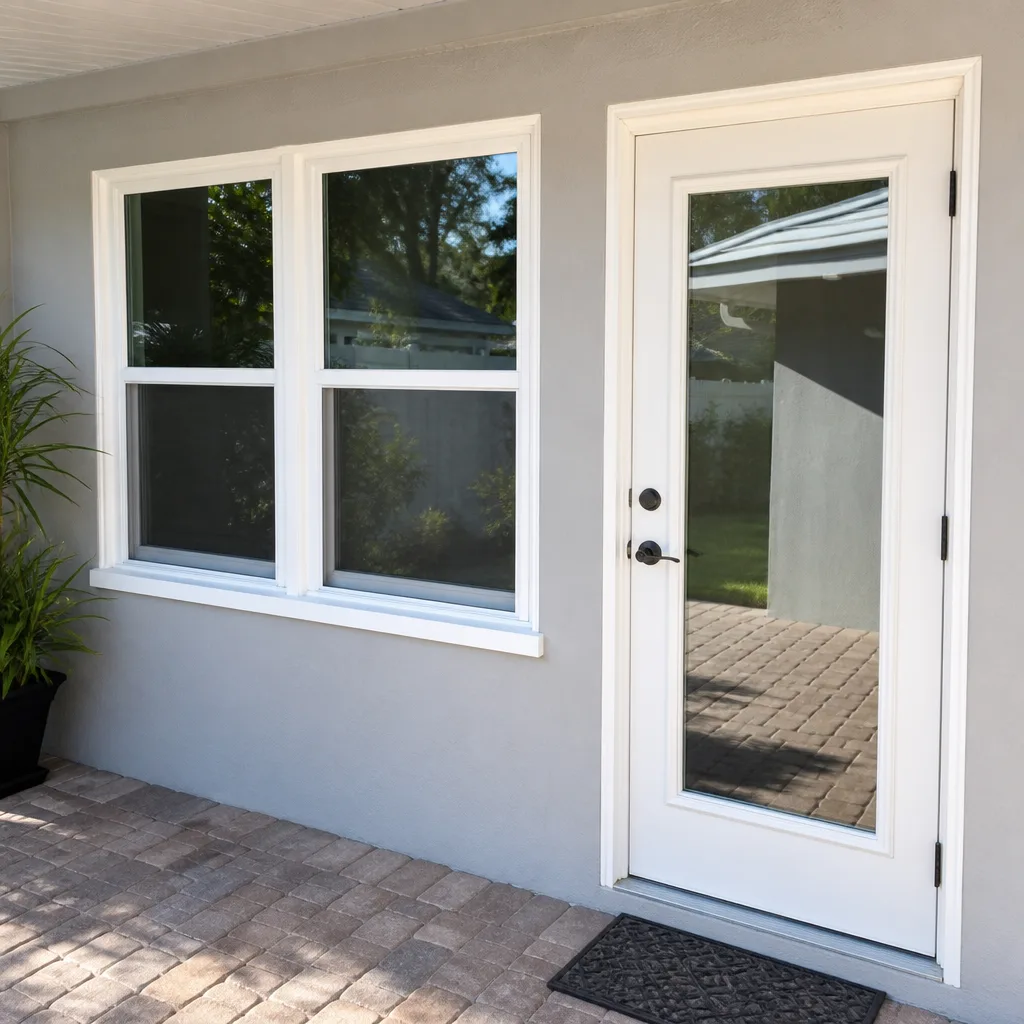 After
After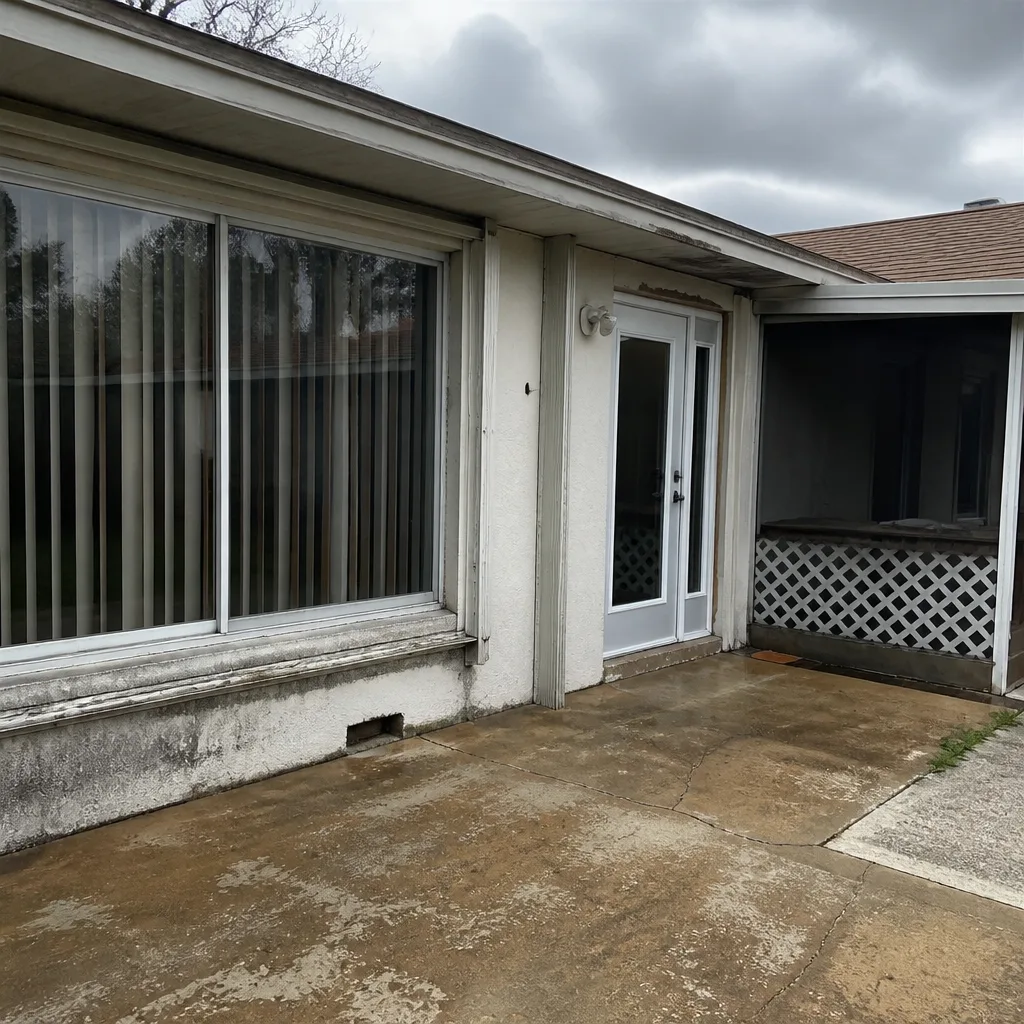 Before
 After
After Before
 After
AfterDIY vs Professional Windows & Doors: The Tampa Homeowner’s Decision Guide
Here is a fact most window replacement guides won’t tell you: Florida law technically allows a homeowner to pull a permit and install their own windows. But the product must carry a Florida Product Approval (FPA) number, the glass must be rated for the exact wind zone of your street, and the finished work has to pass the same county inspection a licensed contractor faces. Most YouTube tutorials never mention those three requirements, because the people filming them are not installing windows in Tampa. This guide explains exactly where the legal line sits, what genuine do-it-yourself scope remains, and what it costs when a DIY window project goes wrong in Hillsborough County.
Quick Answer
For most Tampa homeowners, professional installation is legally required or practically unavoidable: impact windows, any rough opening modification, and any project requiring a permit you are not signing as owner-builder all belong with a licensed contractor. The realistic DIY scope in Tampa is limited to interior trim work, screen replacement, and hardware swaps. If your home is in a wind-borne debris region and you are replacing exterior windows, professional installation is not an upsell. It is the only path that leaves you legally compliant and insured.
Table of Contents
- What Florida Law Actually Says About DIY Window Installation
- Tampa Building Code: Wind Zones, FPA Numbers, and Inspections
- The Three DIY Tasks That Are Genuinely Viable in Tampa
- The Four DIY Tasks That Create Real Liability
- Why Impact Windows Are a Different Category Entirely
- The Hidden Cost of a Failed DIY Window Inspection
- How to Use a Pro Installer and Still Control Costs
What Florida Law Actually Says About DIY Window Installation
Florida is unusual among hurricane-prone states in that it does not categorically ban homeowner window installation. The state’s owner-builder exemption, found in Florida Statute 489.103(7), allows a homeowner to act as their own contractor on their own residence. That sounds permissive. It is not. To pull a permit as an owner-builder in Hillsborough County, you must sign an affidavit swearing you are performing the work yourself, that you will not sell the home for at least one year, and that you accept full liability for the construction. That last clause is the one that matters.
Here is what the affidavit means in plain language:
- If you install a window incorrectly and it leaks, the damage is uninsured by any contractor policy. Your homeowner’s insurance may deny the claim because the work was performed by an unlicensed party.
- If you pull the owner-builder permit and then hire an unlicensed helper to do the actual work, you have committed permit fraud. The county can invalidate the permit, and your insurer can use the violation to void coverage.
- If you sell the home within 12 months of the owner-builder work, Florida law presumes you intended to evade contractor licensing requirements. The buyer can sue you for defects, and the permit history becomes a red flag on the property records.
In our experience in Tampa, we have seen homeowners discover the owner-builder affidavit only after a neighbor or a title company flags it. By then, the window is installed, the permit is open, and the cleanest fix is to have a licensed contractor pull a new permit, correct what needs correcting, and re-inspect. That costs more than hiring a pro in the first place. The Winslow Windows & Doors home team includes licensed installers who handle this exact correction scenario regularly.
For a deeper look at product requirements, our guide to Impact Windows in Tampa covers the FPA numbering system and wind-zone map in detail.
Tampa Building Code: Wind Zones, FPA Numbers, and Inspections
Tampa sits inside a wind-borne debris region under the Florida Building Code. That single fact changes the DIY calculus more than any product feature or installation technique. In a wind-borne debris region, every exterior opening must either be impact-rated or protected by an approved shutter system. If you replace a window with a non-impact unit and no shutter, the installation fails code even if the window fits perfectly and looks beautiful.
Every window and door product installed in Hillsborough County must carry a Florida Product Approval number. That number certifies the product met specific design pressure ratings for wind load and water infiltration. A homeowner cannot assign an FPA number to a product. It is issued by the manufacturer after engineering evaluation. If you order windows online from a supplier that doesn’t list Florida approval numbers, you are buying materials that cannot legally pass a Tampa inspection, regardless of how well you install them.
The inspection process for a window permit in Tampa is also more demanding than non-hurricane-zone states. The inspector checks:
- That the product’s FPA number matches the wind-load requirement for your specific address. Tampa addresses within a mile of the bay can face higher design pressure than homes in Carrollwood or New Tampa.
- That the anchoring pattern matches the manufacturer’s approved installation drawings. Impact windows require specific screw or anchor spacing around the perimeter. Guessing at this voids the manufacturer warranty and fails inspection.
- That any rough opening modification was properly framed and sheathed. If you enlarged a window opening, the inspector verifies the header, king studs, and jack studs meet structural load requirements.
We have watched homeowners in South Tampa fail an inspection because they anchored the frame every sixteen inches when the FPA drawing required twelve. That correction involved removing and reinstalling the window. The material wasn’t the problem. The lack of access to the approved installation drawing was.
The Three DIY Tasks That Are Genuinely Viable in Tampa
None of this means a Tampa homeowner has to hire a contractor for every single touch. There are three areas where do-it-yourself work is sensible, legal, and low-risk. We tell our own customers about these without hesitation, because the work doesn’t touch the structural envelope, doesn’t require a permit, and doesn’t affect the product warranty.
1. Interior trim and casing work. Once a window is installed and inspected, the interior casing, sill, and trim are cosmetic. Homeowners in Seminole Heights and Hyde Park regularly paint, replace, or upgrade interior trim without any code implications. A homeowner can remove old casing, patch drywall, and install new pre-primed trim with basic tools. The caveat: if the window frame itself moves during trim work, stop and call the installer. Cosmetic trim should never require force against the frame.
2. Screen replacement. Torn window screens and worn screen frames are a legitimate DIY repair. Screen spline, spline roller, and screen mesh are sold at any Tampa hardware store. Replacing a screen on a standard single-hung window is a fifteen-minute job. The limit here is the screen frame itself. If the aluminum frame is bent or the screen is part of an enclosed lanai structural system, professional replacement is safer.
3. Hardware swaps. Replacing a sash lock, a casement crank, or a sliding door handle is mechanical, not structural. The fasteners go into pre-existing holes in the frame. As long as the new hardware is the same size or the homeowner is comfortable drilling one or two small pilot holes, this is a safe Saturday project. The hardware itself must be compatible with the window brand. PGT, CGI, and CWS hardware is not interchangeable across brands, so match the brand name on the original part.
These three tasks let a homeowner sweat the small stuff while a licensed pro handles the parts that keep water and wind out.
The Four DIY Tasks That Create Real Liability
At the other end of the spectrum are four tasks that look doable on video but create genuine liability in a Tampa home. These are not skill judgments. They are structural and legal boundaries.
1. Frame installation. Setting a window into an opening is the most watched and least understood DIY task. A window frame must be shimmed square, level, and plumb while supporting the weight of the glass. In an impact window, the frame is also a structural component; it transfers wind load to the wall. A frame that is off by even an eighth of an inch binds the sash and can crack the glass when wind presses against it. A homeowner who has done this once lacks the tactile repetition to know when the window is seated correctly. We have installed tens of thousands of windows. The ones that leak or crack are almost always the ones where the frame wasn’t bedded with the right sequence of shims and sealant.
2. Rough opening modification. If a homeowner decides to make a window larger, smaller, or taller, the rough opening must be re-framed. That work is load-bearing, whether the wall is block or wood frame. In a Tampa block home, cutting a larger opening often requires a lintel sized by an engineer. Doing this without a permit is illegal, and doing it with a permit but without the knowledge to size the header correctly is how you get a cracked stucco wall and a sticking door above the window.
3. Flashing. Flashing sits between the window frame and the rough opening. It directs water away from the wall cavity. In Tampa’s summer afternoon thunderstorms, improperly lapped flashing funnels water directly into the wall. The damage takes months or years to show: rotted studs, termite activity, mold inside the drywall. Flashing errors are impossible to see after trim goes on, which is why we treat it as a licensed-only task and verify it with a moisture check before any interior trim is reinstalled.
4. Final sealant on impact units. The caulk bead around an impact window is not cosmetic paint. It is the last line of defense in a multi-layer water management system, and it must be applied with a specific sequence of backer rod, sealant, and tooled bead. On PGT and CGI units, the sealant must also match the installation method in the FPA approval drawings, or the product warranty is void. A homeowner watching a tutorial sees “run a bead of caulk.” The inspector sees a required engineering detail. The difference shows up as a failed inspection or a latent leak.
Why Impact Windows Are a Different Category Entirely
Once a homeowner decides to install impact-rated windows in Tampa, any remaining DIY window talk becomes moot. Impact windows are not the same product as standard windows with a slight upgrade. They are a different class of building component, and the installation method is an engineering requirement, not a preference.
The three installation details that separate impact from standard:
- Anchoring pattern. Impact windows use more anchors, placed at closer spacing, with specific screw embedment depths. On a PGT or CGI unit, the pattern is printed in the manufacturer’s installation instructions and referenced in the FPA drawings. The inspector checks it. The county’s wind-load requirement for your address determines which pattern applies.
- Buck attachment. In masonry walls, the window attaches to a buck, and the buck attaches to the block. The connection between buck and block is included in the FPA evaluation. Using the wrong fasteners, wrong spacing, or skipping the bucks entirely can pass a visual check and fail catastrophically under wind load.
- Sealant sequence. The order in which the sill flashing, jamb flashing, head flashing, and perimeter sealant goes on is specified for each product. Skipping a layer or reversing the sequence creates a water path that doesn’t show up for a year or more. By then, the installation company that did the job - if it exists - is the one dealing with the correction. That’s exactly why we’ve built our reputation on Window Installation in Tampa with documented methods and this long-standing guarantee: if it’s not done right, we come back.
The 36500-Day Done Right Promise exists for a reason. Impact window failures don’t show up as a crack on day one. They show up as water staining after a tropical storm in September, two years after installation. A homeowner who installs their own impact windows carries that exposure alone. A licensed contractor who offers a written workmanship warranty carries it with them.
The Hidden Cost of a Failed DIY Window Inspection in Tampa
Let’s assume a Tampa homeowner ignores the warnings, pulls an owner-builder permit, installs a window, and calls for inspection. What happens when the inspection fails? Here is the sequence we see regularly, with the actual costs attached.
Step 1: The re-inspection fee
Hillsborough County charges a re-inspection fee every time an inspector returns to a permit after a failed inspection. The fee is not large in absolute terms, usually under $100, but it repeats. A homeowner with three failed inspections has paid three re-inspection fees, and the permit is still open. Failed inspections are also logged on the permit record, which stays with the property.
Step 2: The correction work
The inspector writes a correction notice listing exactly what must be fixed. The homeowner can do the correction work, but the failure has already taught them they don’t know what they don’t know. At this point, most homeowners call a licensed contractor. The contractor typically finds the original problem plus one or two additional defects the inspector didn’t list, because inspectors check for code compliance, not installation quality. The correction work now costs more than the original project would have, because the contractor is reversing work, not just performing it.
Step 3: The open permit
An open permit on a Hillsborough County property is a public record. When the homeowner tries to sell, the title search turns up the open permit. The sale cannot close until the permit is closed. If the homeowner has been unable to pass inspection, the sale can stall for weeks or months. In a hot Tampa market, a buyer with options will simply move to the next house rather than absorb someone else’s open permit. The seller then has to make a repair concession or reduce the price.
Step 4: The insurance conversation
Florida homeowners insurance is already the most expensive in the continental United States. If a carrier learns that the homeowner installed exterior windows under an owner-builder permit and the home later has a water or wind claim, the adjuster will examine the permit record. Work performed by the homeowner that fails to meet code is a coverage exclusion under most policies. The homeowner is now paying Florida premiums and receiving no Florida coverage. That single fact should end the DIY window debate for any Tampa resident.
How to Use a Pro Installer and Still Control Costs
None of the above means a Tampa homeowner has to write a blank check. There are specific, legitimate ways to reduce billable labor hours while still using a licensed installer for the structural work. We suggest these to homeowners all the time, because it keeps the project affordable while keeping the permit and warranty clean.
- Clear the work area before the crew arrives. Move furniture, take down curtains, remove wall hangings, and clear a path to the windows. This is unskilled labor time that you would otherwise pay the crew to perform. For a whole-house window replacement, clearing the interior can save half a day of billable time.
- Remove interior trim yourself. Interior casing is cosmetic, and removing it before the installer starts saves labor and lets the installer inspect the rough opening directly. Just label each piece with a piece of painter’s tape so it goes back in the right spot.
- Landscape access. Trim the shrubs or tree branches outside the windows being replaced. If the crew has to fight through an overgrown podocarpus hedge to reach a window, that time is on the invoice.
- Handle the old window disposal conversation. Ask the installer if you can dispose of the old windows yourself. Many Tampa homeowners have a trailer or can schedule a bulk pickup. If the installer doesn’t have to haul and dump the old units, that’s less billable time and fewer disposal fees.
- Do the post-installation painting. After the windows are installed and inspected, the exterior and interior paint touch-up is cosmetic. If the homeowner paints the new interior casing and touches up the exterior stucco, that’s finish labor the installer doesn’t have to perform.
These five steps can reduce the labor portion of a window replacement invoice by 10% to 15% in our experience, without exposing the homeowner to any of the structural liability described above. If you want a full breakdown of timing and price, see our guide to Window Replacement in Tampa.
Common Mistakes to Avoid
- Buying windows before checking the FPA number. A window without a Florida Product Approval number cannot pass inspection in Tampa, period. Check the number before you pay.
- Using the owner-builder permit to hire unlicensed labor. The owner-builder affidavit requires the homeowner to do the work. Paying a handyman under the table while the permit is in your name is permit fraud, and insurers treat it as a reason to deny claims.
- Installing standard windows in a wind-borne debris region without shutters. If the window isn’t impact-rated and there are no approved shutters, the installation fails Tampa code regardless of how neat it looks.
- Trusting a YouTube tutorial filmed outside Florida. A window install video recorded in Georgia or Texas assumes no FPA requirement, no wind-borne debris zone, and no county inspection for water intrusion. Those assumptions are wrong in Tampa.
- Caulking over flashing errors. If flashing was lapped incorrectly, running a fresh bead of caulk over the outside hides the problem for a season. The water is already inside the wall, doing damage that caulk cannot stop.
- Leaving a failed permit open. An open permit blocks a home sale and raises insurer flags. If your DIY project has a failed inspection, get the permit closed, even if that means hiring a licensed contractor for corrections.
- Mixing brands for active hardware. A lock from one manufacturer won’t fit the prep holes of another. In a house full of PGT windows, buy PGT hardware. In a house with CGI units, stay with CGI. Mixing brands means modifying frames, which voids warranties.
When to Call a Professional
If your window project involves any of the following, call a licensed Tampa installer before you buy materials: impact window replacement, any change to the existing opening size, any water staining around existing windows, any window in a block or stucco wall, any window above the first floor, any project where the current permit belongs to a contractor, and any work in a home you plan to sell within a few years. These are not edge cases. They describe the majority of window projects in Hillsborough County. Winslow Windows & Doors offers free estimates in Tampa, calls are answered by a live person 24/7, and Ed Winslow’s name is on the door and on every job we do. Call (386) 559-6999.
Frequently Asked Questions
Under Florida’s owner-builder exemption, yes, but the homeowner must sign an affidavit accepting liability for the work, cannot sell the home for 12 months, and must pass the same county inspection a licensed contractor would face. The window must also carry a Florida Product Approval number rated for the address’s wind zone. Call our window installation team if you’d rather skip the paperwork and have it done right the first time.
Each re-inspection fee typically runs under $100 in Hillsborough County, but the real costs come from correction work, additional re-inspections, and the open permit blocking a home sale. Contractors called in for corrections often find issues beyond what the inspector flagged, and the total correction bill frequently exceeds the original project cost. Call us for a free estimate before that happens.
In a wind-borne debris region, every exterior opening must be either impact-rated or protected by an approved shutter system. Homes east of the bay, in areas like Brandon or Riverview, face the same requirement as homes in South Tampa. A standard window without shutters fails inspection. For more on this, see Impact Windows in Tampa.
Interior trim and casing, window screen replacement, and hardware swaps like sash locks and casement cranks are low-risk, permit-free DIY tasks. They don’t affect the water management system or the structural frame. Everything else touching the opening belongs with a licensed pro.
Impact windows use a tighter anchoring pattern, specific buck attachment in block walls, and a structured sealant sequence defined in the Florida Product Approval drawings. The inspector checks all three. Standard window tutorials skip these steps because they’re filmed for houses in non-hurricane-zone states.
Yes. Clear the work area, remove interior trim, trim exterior landscaping, haul away old windows if you’re able, and handle interior painting after installation. These tasks can reduce labor costs without touching structural work, permits, or warranty coverage. Call (386) 559-6999 for an exact quote on the balance.
The Bottom Line
Tampa’s legal code and wind-zone requirements have already answered the DIY-versus-professional question for the serious portion of any window or door project. The owner-builder path exists on paper, but it loads you with insurance exposure, resale risk, and inspection pressure that no YouTube tutorial can prepare you for. The genuinely viable DIY scope is trim, screens, and hardware. The rest belongs with a licensed Tampa installer who pulls the permit, uses Florida-approved products, and stands behind the work for longer than most companies have been in business. Upfront pricing. No surprises on the invoice. We’re the one down the road.
Written by Ed Winslow, Owner at Winslow Windows & Doors, serving Tampa since 2011.
Six Reasons Homeowners Choose Winslow Windows & Doors
Impact systems engineered to design pressures up to +/-100, matched to your wind zone - your openings hold when the storm arrives.
Low-E insulated impact glass from our manufacturer lines commonly cuts monthly cooling bills 20-30%.
Laminated impact glass shuts out up to 40% of outside noise - traffic, neighbors, weather.
Monitoring services run $30-90 a month. Laminated impact glass resists forced entry around the clock, with no subscription.
Florida homeowners average around 25% savings on the windstorm portion of their policy after protecting every opening - some homes qualify for more.
A full impact package upgrades curb appeal, buyer confidence and appraised value in one project.