
Last updated August 27, 2026
Free in-home measure and quote - PGT, CGI and CWS impact lines compared on your actual openings, style by style
 Before
 After
After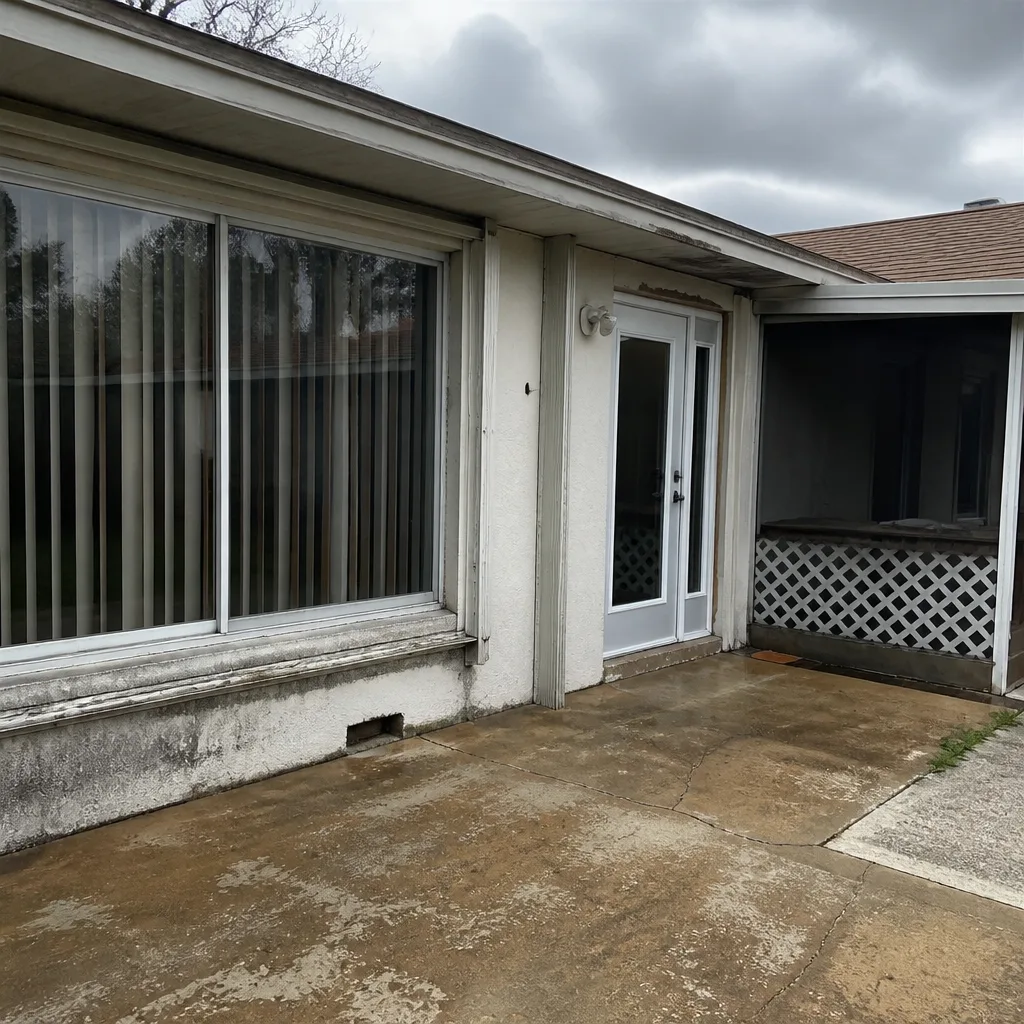 Before
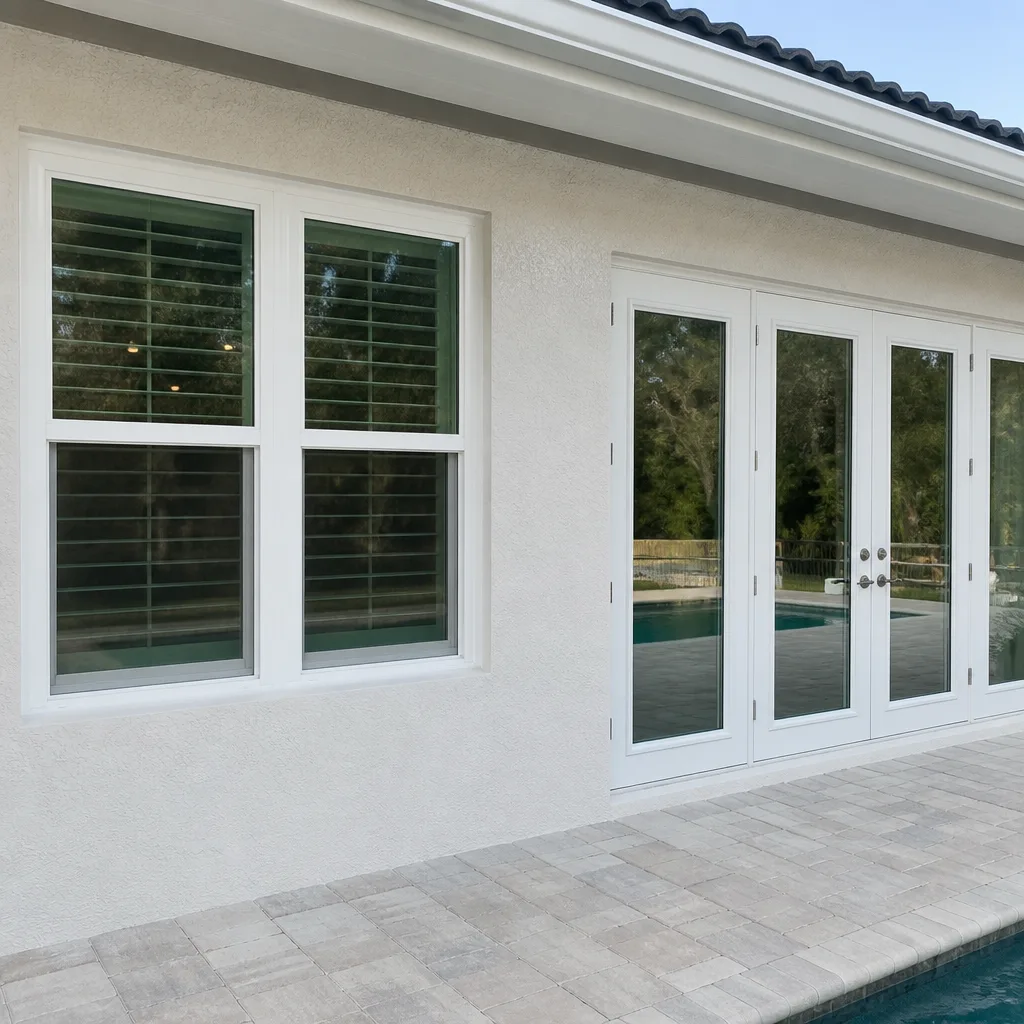 After
After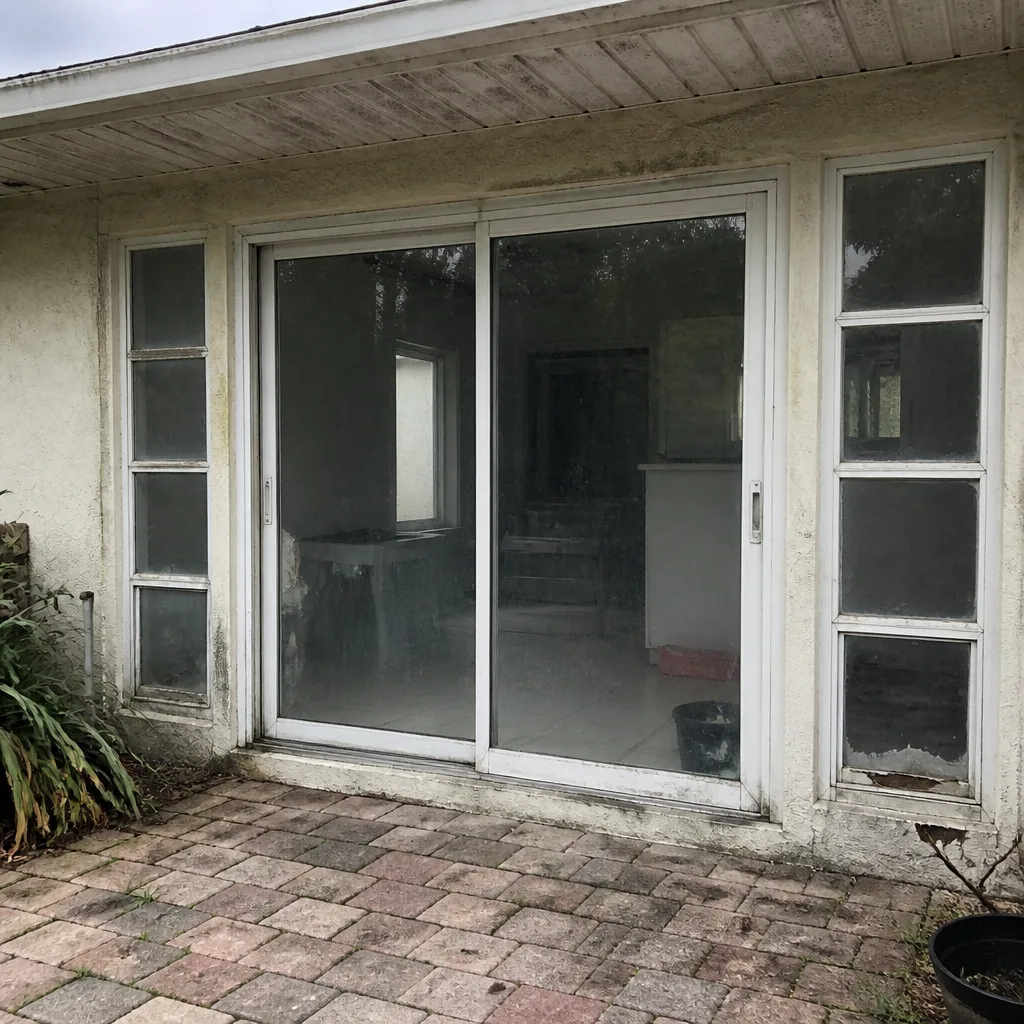 Before
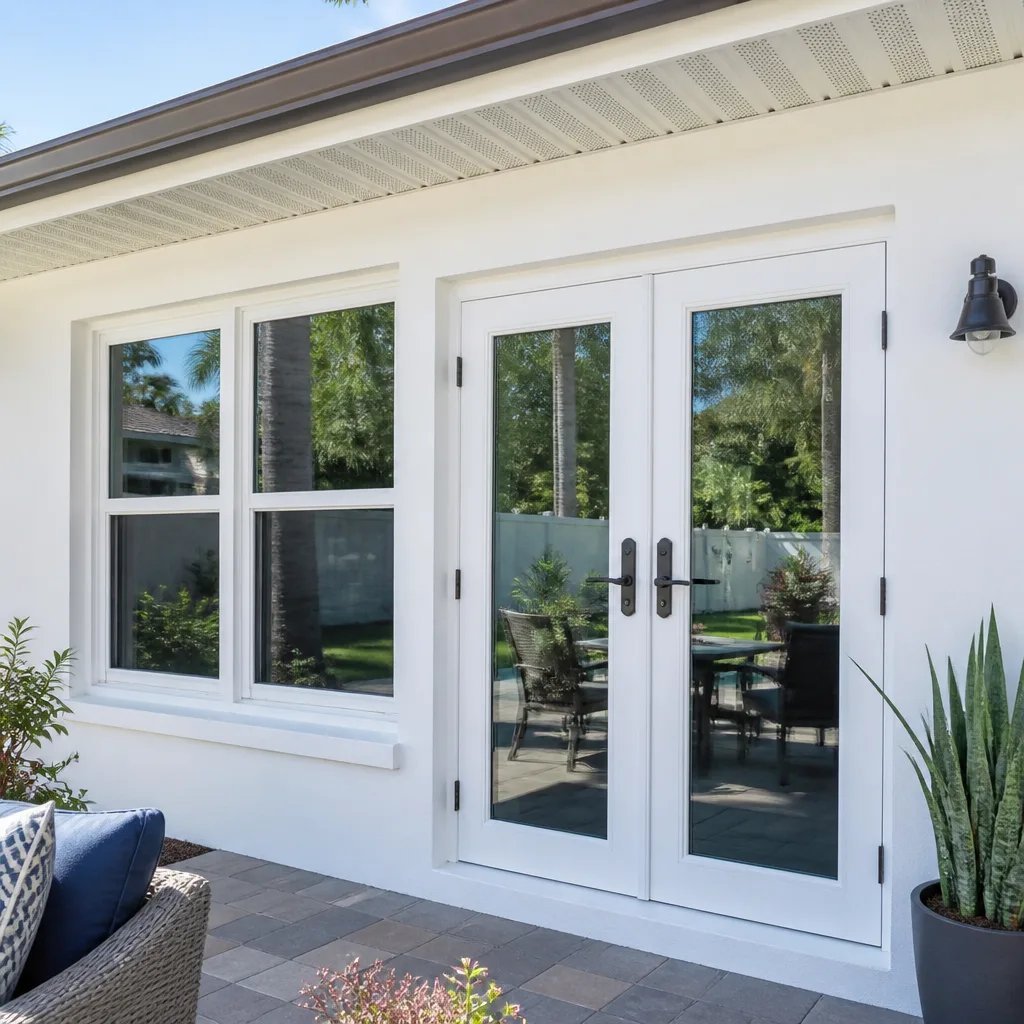 After
AfterHow to Hire a Windows & Doors Contractor in Tampa: A Step-by-Step Guide
In 2023, the Florida Department of Business and Professional Regulation issued over 400 citations to unlicensed window and door contractors, and Hillsborough County still leads the state in open permit violations from jobs that were never finaled. That’s not a bureaucratic footnote. It means hundreds of Tampa homeowners paid for windows and doors that were never legally closed out, leaving them exposed if they try to sell the house or file an insurance claim. This guide walks you through the exact vetting sequence we use to separate accountable local contractors from transient crews that underbid, underdeliver, and disappear before the permit closes. For more guides & resources on protecting your home investment, explore our blog. If you’re asking how to hire a windows and doors contractor in Tampa without getting burned, you’re in the right place.
Quick Answer
To hire a windows and doors contractor in Tampa, verify their Florida DBPR license is active (not delinquent), confirm they pull permits themselves rather than asking you to, require a line-item quote with specific product models and fixed pricing, and structure payments so you never pay more than 10-20% upfront. Then confirm who attends the county inspection and what happens if it fails. A contractor who can’t answer those four things clearly is one you don’t want touching your home.
Table of Contents
- Step 1: Run the DBPR License Lookup Sequence
- Step 2: Understand Why Permit Pulling Is Non-Negotiable in Florida
- Step 3: Decode the Quote – Red Flags That Signal a Bad Bid
- Step 4: Structure a Payment Schedule That Protects You
- Step 5: Ask About Post-Installation Inspection Before You Sign
- Step 6: Choose Products That Actually Hold Up in Tampa’s Climate
- Step 7: Weigh Local Accountability Against National Convenience
- Common Mistakes to Avoid
- When to Call a Professional
- Frequently Asked Questions
- The Bottom Line
Step 1: Run the DBPR License Lookup Sequence
Every legitimate window and door contractor in Florida carries a license issued by the Department of Business and Professional Regulation, and you can verify it in under five minutes on the DBPR website. Here’s the sequence that matters, because not every license number you see on a truck or a business card is what it appears to be.
Go to the DBPR license search portal and enter the contractor’s name or license number. You’re looking for three specific things. First, the license status must read “Active.” Not “Delinquent,” not “Inactive,” not “Current” with caveats. Active means the contractor has met continuing education requirements, carries the required insurance, and is legally authorized to pull permits in Florida right now. Second, check the license category. For window and door work, you want a Certified Building Contractor, Certified General Contractor, or Certified Residential Contractor license – not a specialty license that only covers one narrow scope like glass and glazing. Third, look at the license issue date and any discipline history. A contractor licensed for ten years with a clean discipline record is a very different risk profile than one licensed eighteen months ago with two citations.
What “delinquent” status means for your legal protection is simple and severe: a contractor with a delinquent license cannot legally pull permits, cannot legally contract for work, and if something goes wrong on your job, the Florida Homeowners’ Construction Recovery Fund may not cover you because the contractor wasn’t properly licensed when the work was performed. In our experience across Tampa, we’ve seen homeowners discover this only after a job went sideways and they tried to file a claim. The time to check the license is before the first dollar changes hands, not after the drywall dust settles. This is where the entire conversation starts, and if a contractor bristles at being asked for their license number, that’s your first red flag and your last phone call with them.
Step 2: Understand Why Permit Pulling Is Non-Negotiable in Florida
Florida building code requires permits for window and door replacement in virtually every residential scenario, including like-for-like swaps. That’s not true in every state, which is why some national chains and out-of-town crews get sloppy about it. A contractor who asks you to pull the permit yourself, or suggests “we can skip it and save you the fee,” is asking you to assume legal liability for their work. Here’s why that matters in Tampa specifically.
When a contractor pulls the permit, the contractor’s license is attached to that permit number. If the installation fails inspection, the contractor is legally obligated to fix it and get the inspection passed before the permit closes. If you pull the permit yourself as the homeowner, you become the permit holder. That means you are now responsible for scheduling inspections, meeting code requirements, and resolving any failures, even if the contractor who did the actual work has already been paid and driven off. You also become responsible for any code violations discovered during the inspection, and in a worst-case scenario, your homeowner’s insurance carrier can deny a future claim if unpermitted work contributed to a failure. In Hillsborough County, open permits are flagged during the title search when you sell. If a permit was never finaled, you’ll be fixing it at the closing table, often years after the contractor cashed your check and vanished.
This is why we treat “who pulls the permit?” as a non-negotiable qualifier in the hiring process. The answer should be immediate and confident: “We do.” That’s the only answer that protects you. Ed Winslow pulls every permit for every job we do in Tampa, and our license number is published on our website and on every estimate. Contractors who hide their license number are hiding something else too.
Step 3: Decode the Quote – Red Flags That Signal a Bad Bid
A window and door quote is either a fixed commitment or a vague suggestion, and the difference shows up in specific language patterns. Here’s what we tell Tampa homeowners to look for, because the details matter more than the bottom-line number.
“Allowance pricing” on windows or doors is a red flag. An allowance means the contractor is budgeting a placeholder dollar amount for products they haven’t actually specified, and the final price will change once actual products are selected. In practice, allowance pricing is how a low bid becomes a much higher final invoice. A legitimate quote names the exact product, the exact model number, and the exact quantity. It doesn’t say “impact window, allowance $800 each.” It says “PGT WinGuard 7300, single-hung, 36×60, Low-E insulated glass, quantity 6.”
“TBD on product model” is the same problem in different clothing. It means the contractor hasn’t done the takeoff, hasn’t confirmed product availability, or is planning to substitute whatever they can source cheaply after you sign. In Tampa’s market, where impact-rated products from manufacturers like PGT and CGI have specific lead times and specific performance characteristics, “TBD” is how you end up with products that don’t meet Miami-Dade or HVHZ requirements, or don’t match what you were shown in the showroom.
A third red flag is a quote that’s a single line: “Replace 8 windows, $14,200.” A real quote breaks down materials, labor, permit fees, disposal, and any structural work. If a contractor can’t show you the breakdown, they either haven’t thought through the job or they’re hiding margin in a number you can’t audit. As a locally owned Tampa company, Ed Winslow provides line-item quotes on every job, and that’s been true since 2011. The quote is the contract in embryo. If it’s vague at the quote stage, it’ll be vague at the invoice stage.
Step 4: Structure a Payment Schedule That Protects You
The single most effective protection against contractor abandonment in Florida is a payment schedule that never lets the contractor get ahead of the work. Here’s the structure we recommend, and it’s the structure we’ve used since 2011.
Deposit: 10-20% of the total job cost. Florida law caps deposits for residential contractors at 10% of the contract price unless the contractor can demonstrate need for additional upfront costs like custom-ordered materials. For standard window and door replacement using stock or standard-order products from brands like Therma-Tru, a 10% deposit is typical. If a contractor asks for 50% upfront, walk away. That’s not a business arrangement; that’s a withdrawal.
Progress payments tied to milestones, not calendar dates. The next payment should be due when materials are delivered to your property, and it should cover the materials cost, typically another 30-40%. The key is that the payment is triggered by something you can see and verify: product physically on site, with your name on the order. Never structure progress payments as “week two, 50%” because a contractor who’s behind schedule still collects. Tie money to milestones.
Final payment only after the permit closes. This is the piece most homeowners miss, and it’s the piece that protects you most. The final 10-15% of the job should be withheld until the county inspection passes and the permit is finaled. A contractor who’s done the work right has no problem with this. A contractor who plans to cut corners and run knows they’ll never see that final check, which is exactly the point.
If a contractor abandons a job mid-installation, a payment schedule structured this way means you’ve paid for work completed and materials delivered, and you’re not left paying a second contractor to finish work the first one was already paid for. It’s the cheapest insurance policy in the entire project.
Step 5: Ask About Post-Installation Inspection Before You Sign
The county inspection is where the permit gets closed and the work gets legally blessed. In Hillsborough County, window and door installations require an inspection by a county building inspector, and someone has to be there. The questions to ask before you sign the contract are: who attends the inspection, and who is responsible if it fails?
The answer you want: the contractor attends every inspection, and the contractor is responsible for correcting any failed inspections at no additional cost. This should be written into the contract. If the contractor says “we’ll schedule the inspection and let you know how it goes” without committing to be on site, you’re setting yourself up for a failed inspection with no one to answer for it. If the contractor says “inspections are your responsibility as the homeowner,” you’ve already found your answer: don’t hire them.
Failed inspections happen, even on good jobs. A missed hurricane clip, an improper flashing detail, a nailing pattern that doesn’t meet wind-load requirements – these are real things that get caught in Tampa inspections. The difference between a good contractor and a bad one is what happens next. A good contractor fixes it, reschedules, and gets it passed. The 36500-Day Done Right Promise is exactly this: if it’s not done right, we make it right, period. A bad contractor stops answering the phone. Asking about inspection responsibility upfront, before you sign, tells you which one you’re dealing with.
Step 6: Choose Products That Actually Hold Up in Tampa’s Climate
Tampa’s climate punishes windows and doors in ways that products sold in other markets don’t experience. Salt air off the bay, 90-degree heat with 90% humidity for six months of the year, daily afternoon thunderstorms, and the annual hurricane season all accelerate wear on frames, seals, and hardware. Product selection in Tampa isn’t a style conversation. It’s a survival conversation.
Impact-rated products are the obvious starting point. PGT and CGI both manufacture impact windows engineered for Florida’s wind zones, and both carry Miami-Dade NOA approvals, which Tampa’s building department recognizes. The practical difference matters: an impact-rated window with a proper frame-to-structure connection survives a Category 4 wind event without losing its glass or its seal. A standard window with a film applied is not the same thing, no matter what a salesperson tells you.
But impact rating isn’t the whole story. Water management matters in Tampa more than in most markets because of the daily rain cycle. Look for products with a documented water-resistance rating, and ask how the contractor details flashing at the sill and head. We specify Therma-Tru doors on most of our Tampa installations because their sill designs and weatherstrip systems hold up under sustained rain and humidity without warping or leaking. In our experience, door failures in Tampa are almost always water failures first: a warped frame, a rotting jamb, a sill that’s puddling instead of draining. The product matters, and so does the installation detail around it.
Energy efficiency is the other half of the equation. Windows with Low-E coatings and insulated frames cut solar gain, and in Tampa, that translates directly to lower cooling costs during the long summer. It also protects furniture and flooring from UV fade. When you’re comparing quotes, compare the glass package, not just the price. Two windows can look identical and perform very differently.
Step 7: Weigh Local Accountability Against National Convenience
National window replacement companies operate on volume, and that model changes how they treat Tampa customers. The technician who shows up at your door works for a regional office, the regional office reports to a corporate office, and the warranty claim you file goes into a queue. None of those people have a personal stake in whether your windows are still performing five years from now. They have a ticket number.
A locally owned contractor in Tampa has a different accountability structure. Ed Winslow’s name is on the business, and the address is published. The license number is published. The phone rings, and a live person answers, 24 hours a day, seven days a week. If something goes wrong, you’re not navigating a call center. You’re calling the owner, and he has every incentive to make it right, because his reputation in Tampa depends on it. The 36500-Day Done Right Promise isn’t a marketing slogan. It’s a unilateral commitment: if it’s not done right, we make it right. No national chain has a promise like that, because no national chain has a single owner whose name is attached to the work.
That’s not to say every local contractor is good, or every national company is bad. It’s to say that accountability is structural, and the structures that produce accountability are local: an owner who answers the phone, a published address you can drive to, a license number you can verify, and a technician who arrives in uniform, background-checked, and who you know by name before the truck pulls up. When you’re spending five figures on windows and doors, the accountability structure matters as much as the product.
For more on what to expect from a full installation, see our guides on Window Installation in Tampa and Window Replacement in Tampa. And if impact products are your focus, Impact Windows in Tampa walks through the ratings and options in detail.
Common Mistakes to Avoid
- Hiring before verifying the license. A business card is not a license. Run the DBPR lookup before you sign anything, and confirm the status is Active, not Delinquent. Five minutes of checking prevents five months of legal exposure.
- Accepting “allowance pricing” or “TBD” on product models. In Tampa’s market, that’s how you end up with windows that don’t meet wind-load requirements or doors that aren’t rated for the humidity. Every line item should name a specific product.
- Paying more than 20% upfront. Florida law caps most residential deposits at 10%, and any contractor asking for 50% is either undercapitalized or planning to use your money to finish someone else’s job.
- Letting the contractor talk you out of a permit. “We’ll save you the fee” means “we’ll skip the inspection,” and unpermitted window work will surface at closing, at claim time, or at resale. It’s never worth the savings.
- Paying the final balance before the permit closes. The final payment is your leverage. Release it when the county inspection passes and the permit is finaled, not before.
- Choosing the lowest bid without reading the exclusions. A low bid with allowances, TBDs, and vague scope isn’t a deal. It’s a down payment on a change order.
- Assuming the warranty will save you. A warranty is only as good as the company standing behind it, and a company that’s gone doesn’t honor anything. This is where the 36500-Day Done Right Promise and a live phone number matter more than a folded brochure.
When to Call a Professional
If your windows are fogged between panes, your doors stick or won’t latch cleanly, your energy bills have crept up year over year, or you’ve spotted water stains around a window or door frame, those are signs you need a professional assessment. If you’re planning to sell and know your permits were never closed, that’s urgent. If you’ve been through a storm event and your windows or doors took impact, even if there’s no visible damage, get them inspected. The seal, the frame connection, and the glass lamination can all be compromised without showing it. Winslow Windows & Doors home to see the full range of what Ed and his team handle. Winslow Windows & Doors offers free estimates in Tampa, call (386) 559-6999 and a real person will answer.
Frequently Asked Questions
Window replacement in Tampa typically runs $600 to $1,200 per window for mid-grade vinyl or aluminum products, and $1,200 to $3,500 per window for impact-rated products from manufacturers like PGT or CGI, depending on size, style, and installation complexity. For detailed pricing factors, see our Windows & Doors Cost Breakdown: The Tampa Homeowner’s Reference for 2026. Door replacement varies more widely: a basic exterior door starts around $1,500 installed, while a premium Therma-Tru entry system or impact-rated french door can run $4,000 to $8,000 or more. These are installed prices including labor, materials, and standard trim. For an exact quote on your specific windows and doors, call (386) 559-6999 for a free estimate.
Yes, window and door replacement in Tampa requires a building permit, even for same-size, like-for-like swaps. The Florida Building Code requires inspections on structural connections, wind-load compliance, and water management details. A contractor who pulls the permit themselves, including Ed Winslow’s team, is the one you want doing the work. The permit protects you from unpermitted work surfacing later at closing or claim time.
If the permit is never finaled, the job is legally incomplete, and that open permit stays attached to your property. It will surface during a title search when you sell, and you’ll be responsible for getting the work inspected and corrected, often years after the original contractor has disappeared. This is why the final payment should be withheld until the permit is closed.
Go to the Florida DBPR website, click license verification, and enter the contractor’s name or license number. You’re looking for an Active license in a building contractor category, not a delinquent status or a specialty license that doesn’t cover structural work. The DBPR database also shows any discipline history, and it’s updated continuously.
Impact windows are engineered with laminated glass and reinforced frames to resist wind-borne debris and maintain structural integrity during a hurricane. Standard windows are not. In Tampa, impact windows also qualify for insurance premium discounts with most carriers, and they meet the building code’s wind-load requirements without additional shutters. The cost difference is real, but the insurance savings and the protection are real too.
It shouldn’t, provided the quote was line-item specific and nothing about the scope changed. If the quote says “8 PGT WinGuard windows, model 7300, 36×60,” that’s the price for those products and that installation. At Winslow Windows & Doors, the quote is a fixed commitment, and change orders only happen if the homeowner requests a change or we discover hidden conditions and document them before proceeding. No surprises on the invoice is the standard. If a contractor can’t commit to that, keep looking.
The Bottom Line
Hiring a windows and doors contractor in Tampa comes down to four verifiable things: an active DBPR license, a contractor who pulls their own permits, a line-item quote with specific products and fixed pricing, and a payment schedule that ties money to milestones and withholds the final payment until the inspection passes and the permit closes. That’s the vetting sequence, and it works. Ed Winslow has been doing it this way in Tampa since 2011, answering the same phone number the whole time. No call centers, no ticket numbers, no vague quotes. The one down the road.
Written by Ed Winslow, Owner at Winslow Windows & Doors, serving Tampa since 2011.
Six Reasons Homeowners Choose Winslow Windows & Doors
Impact systems engineered to design pressures up to +/-100, matched to your wind zone - your openings hold when the storm arrives.
Low-E insulated impact glass from our manufacturer lines commonly cuts monthly cooling bills 20-30%.
Laminated impact glass shuts out up to 40% of outside noise - traffic, neighbors, weather.
Monitoring services run $30-90 a month. Laminated impact glass resists forced entry around the clock, with no subscription.
Florida homeowners average around 25% savings on the windstorm portion of their policy after protecting every opening - some homes qualify for more.
A full impact package upgrades curb appeal, buyer confidence and appraised value in one project.