
Last updated August 27, 2026
Free in-home measure and quote - PGT, CGI and CWS impact lines compared on your actual openings, style by style
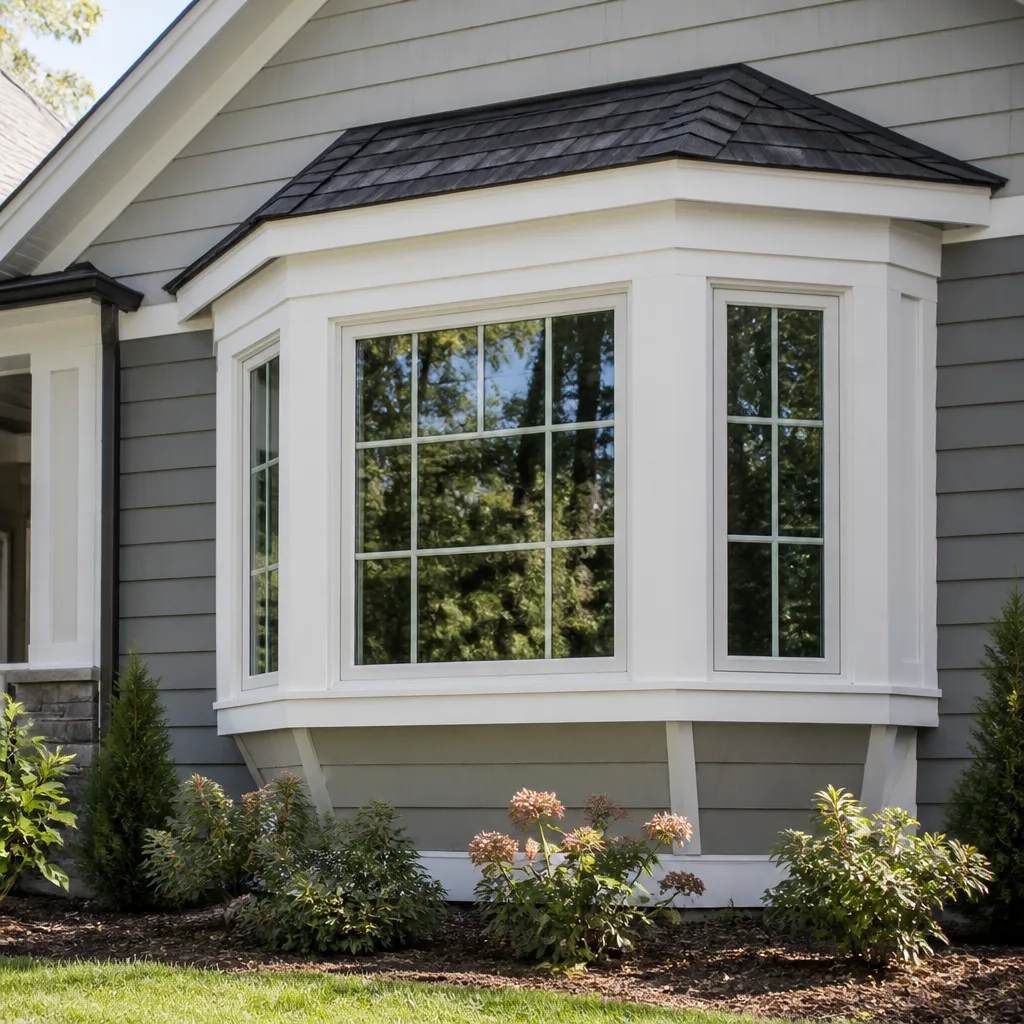
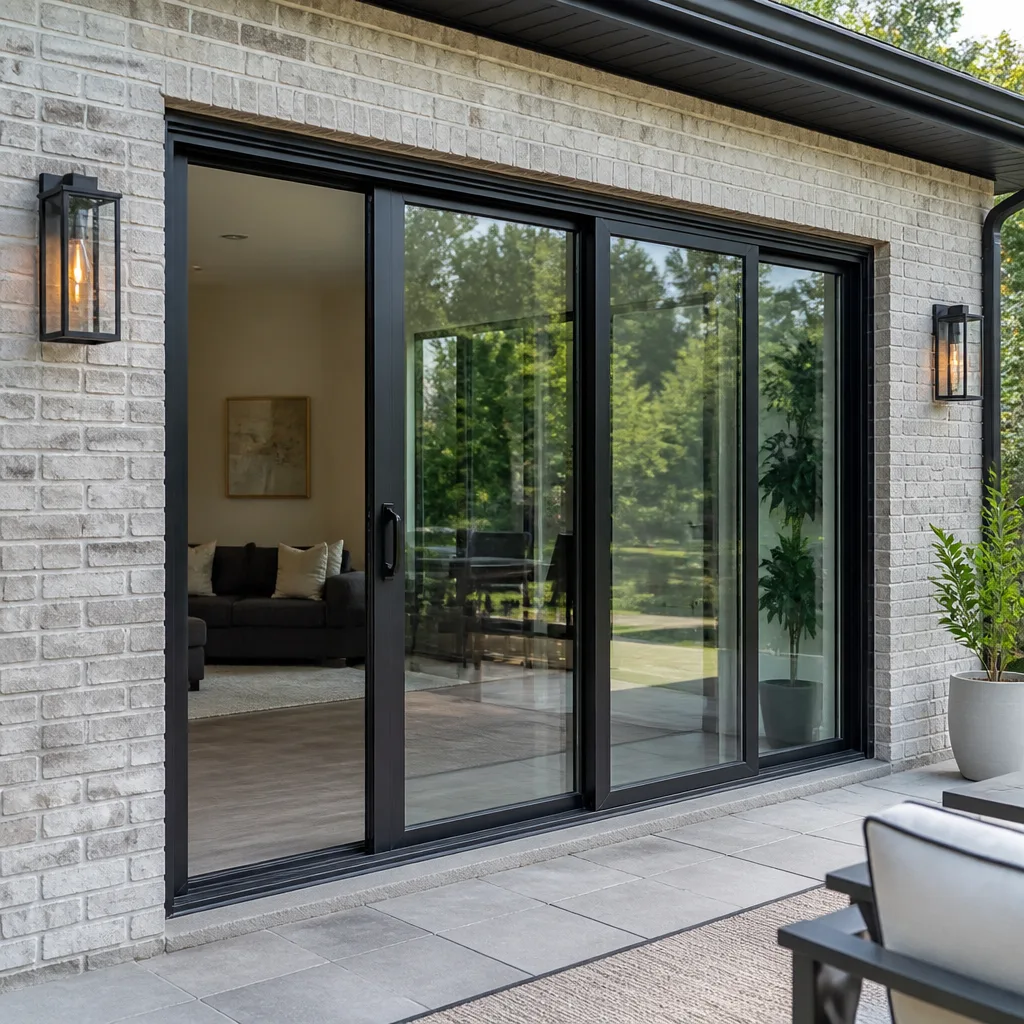
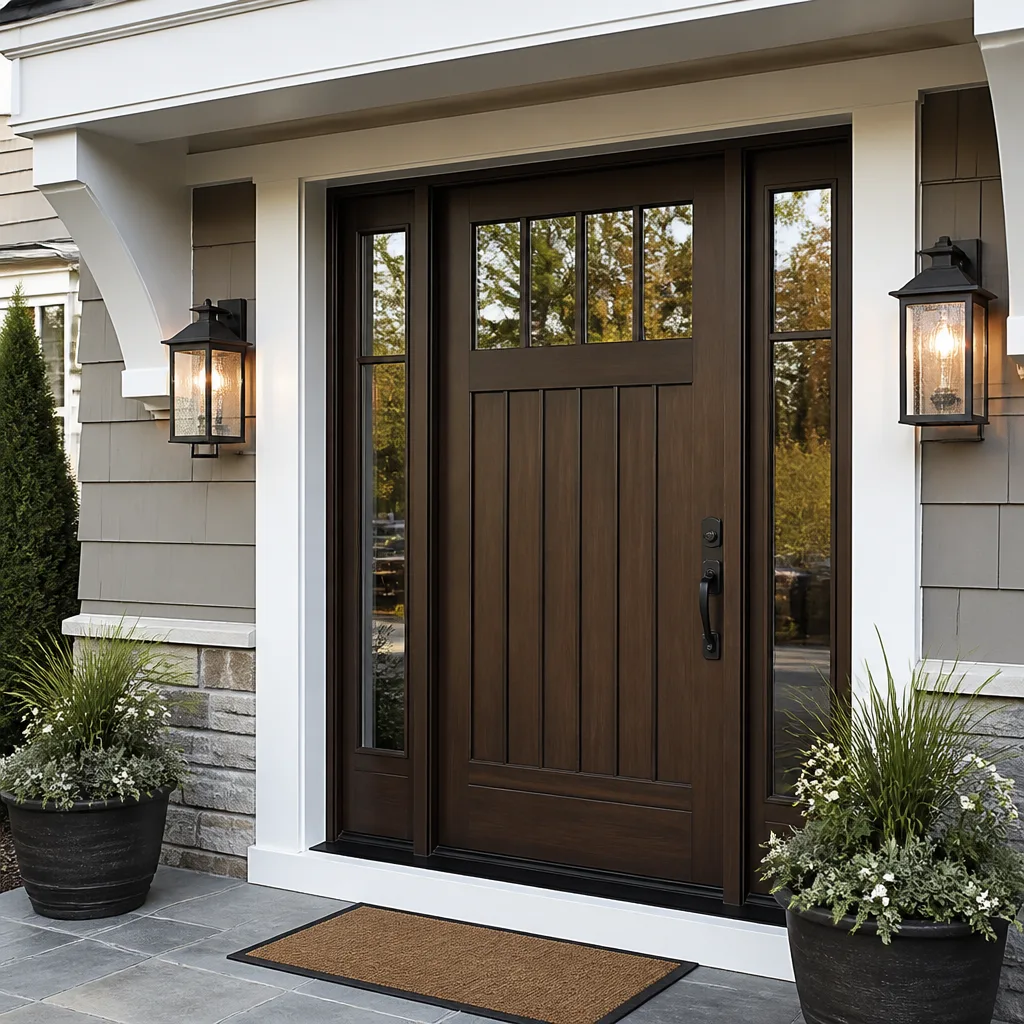
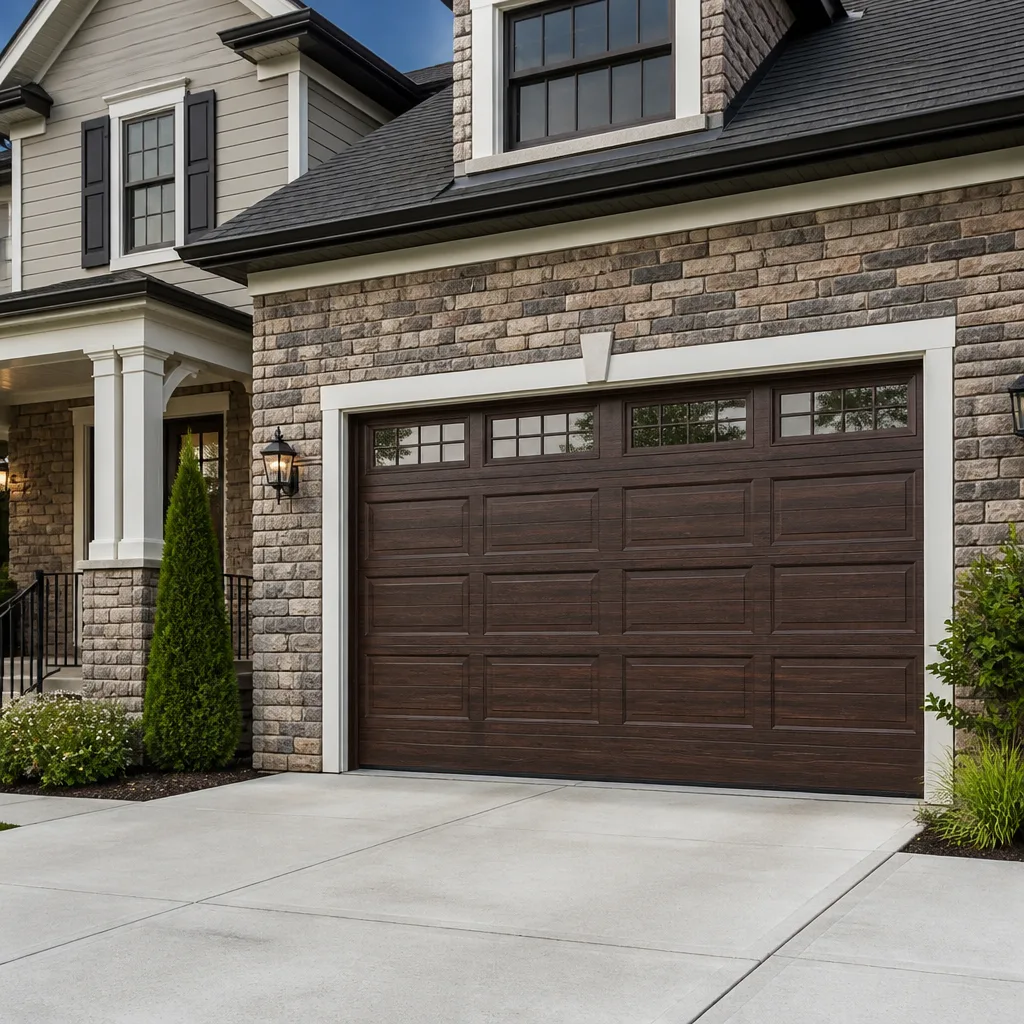
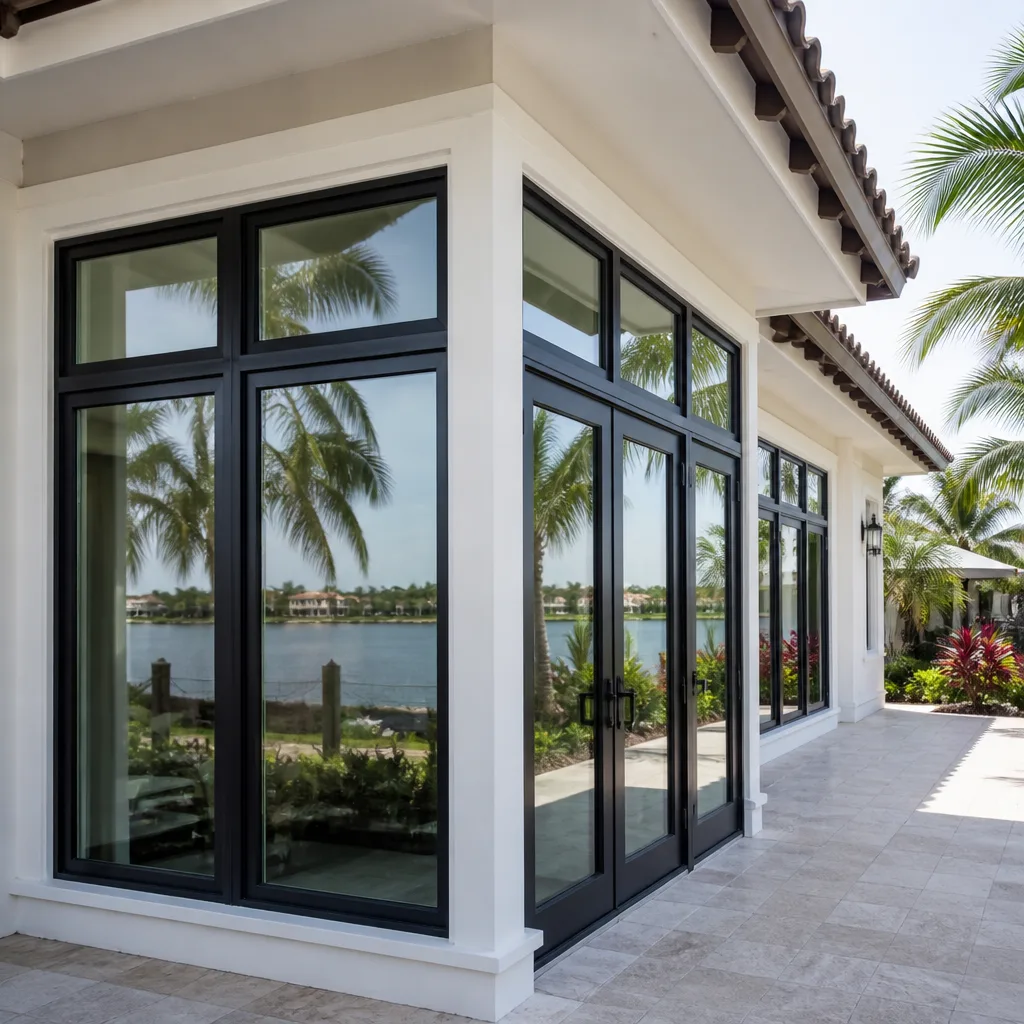
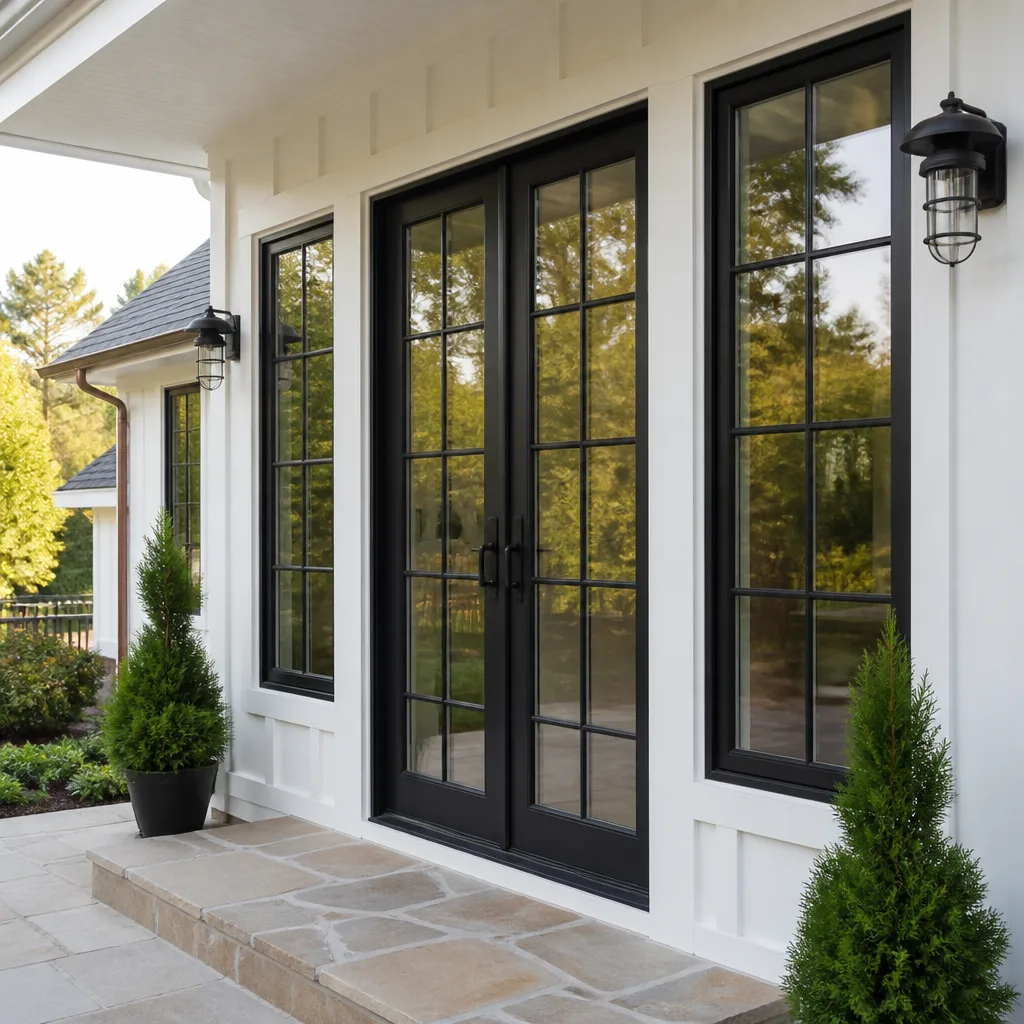
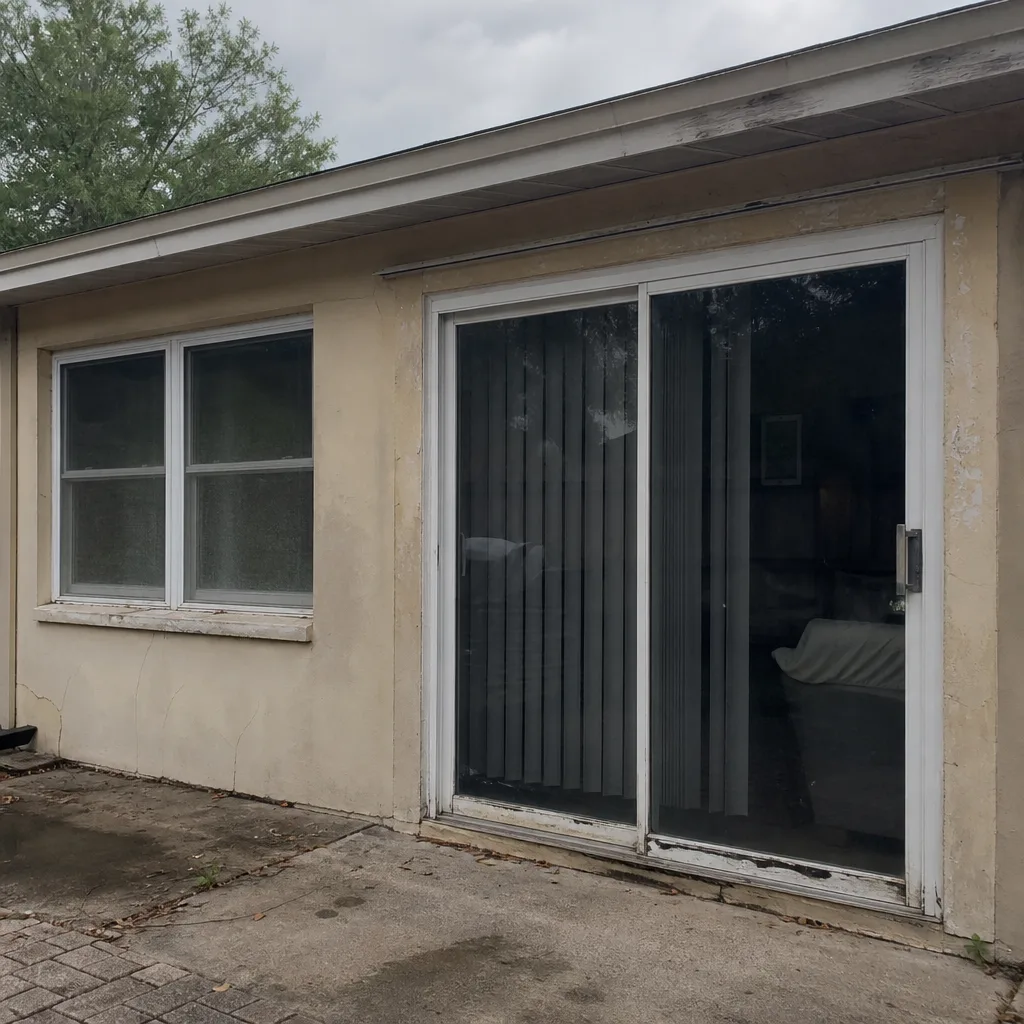 Before
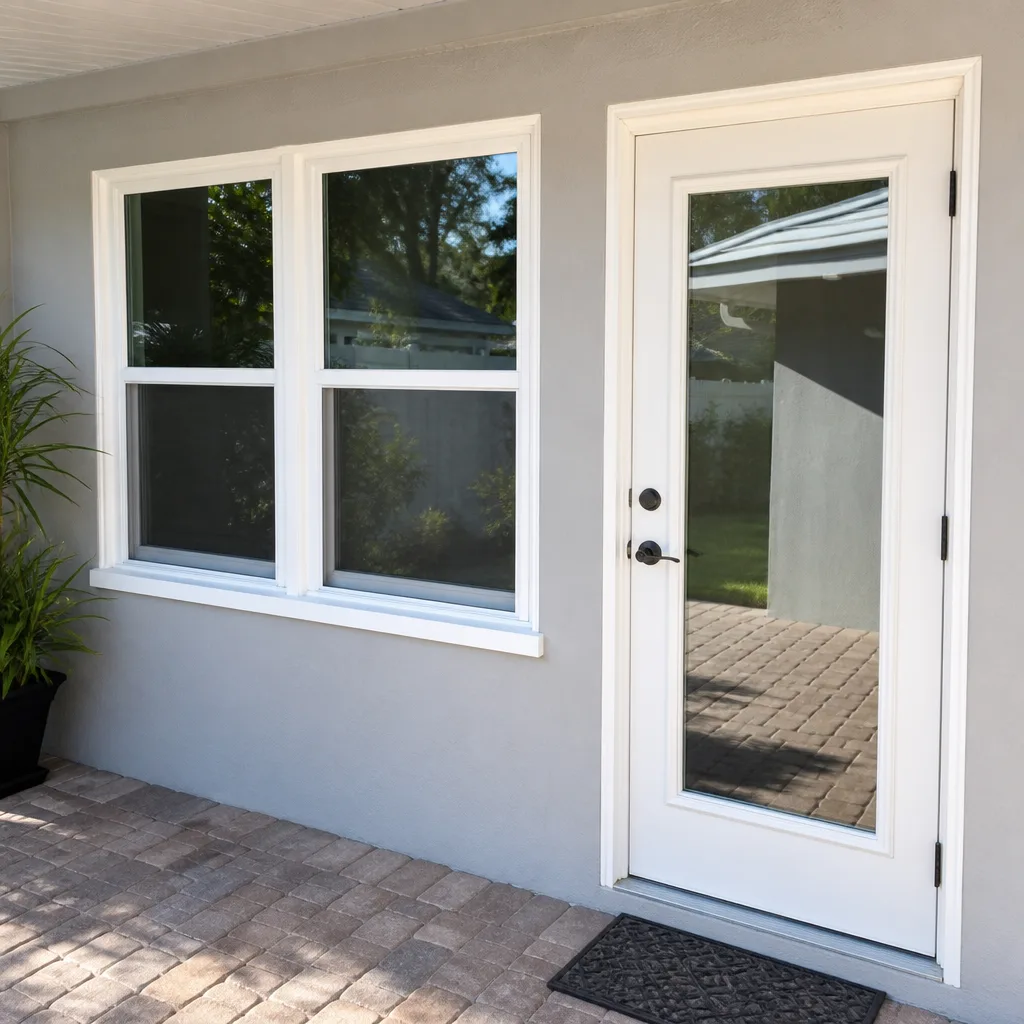 After
After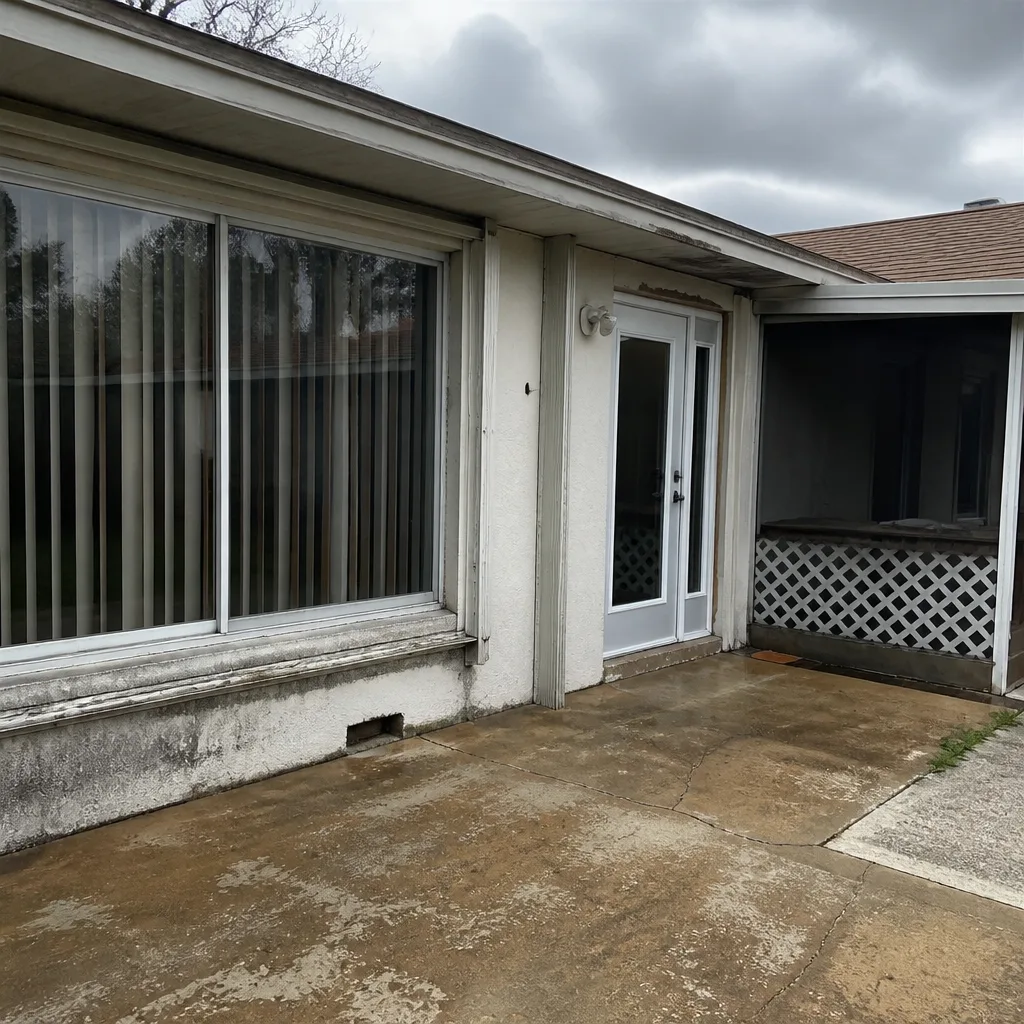 Before
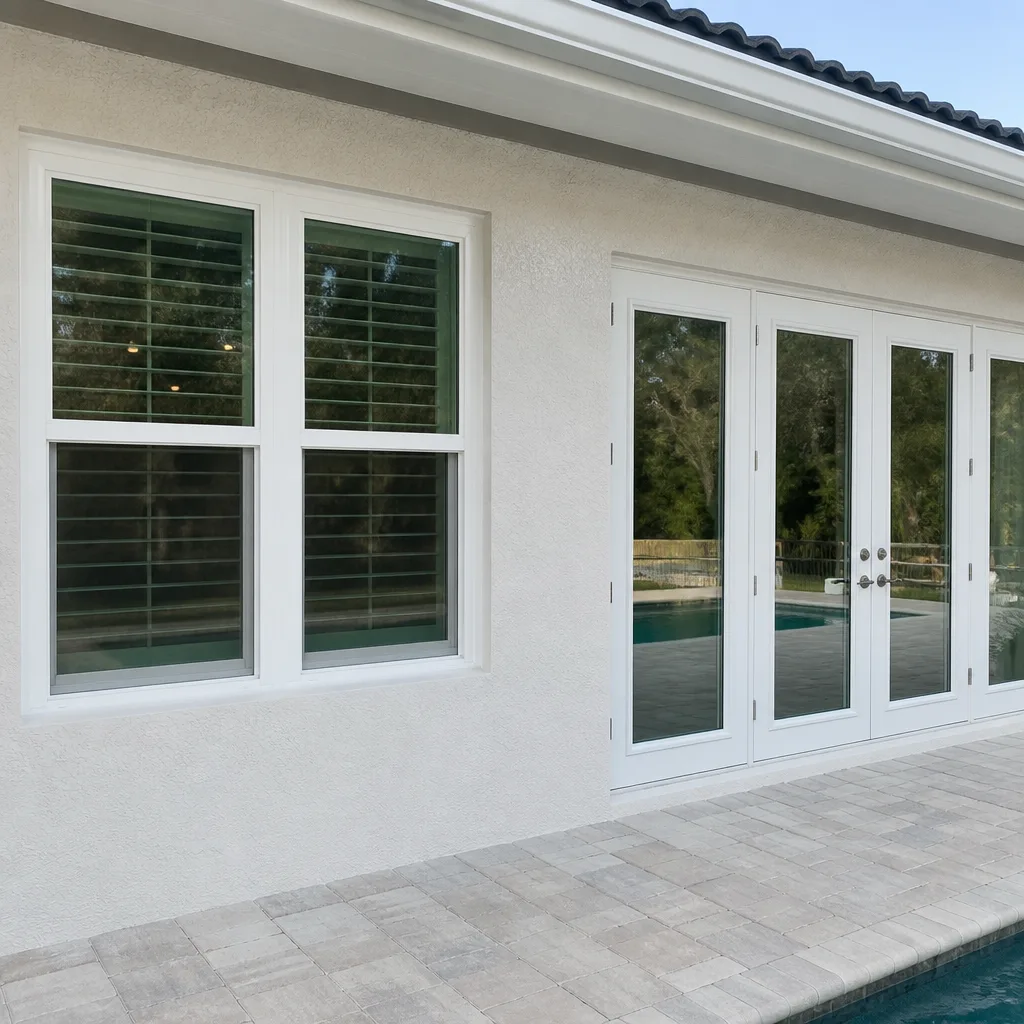 After
After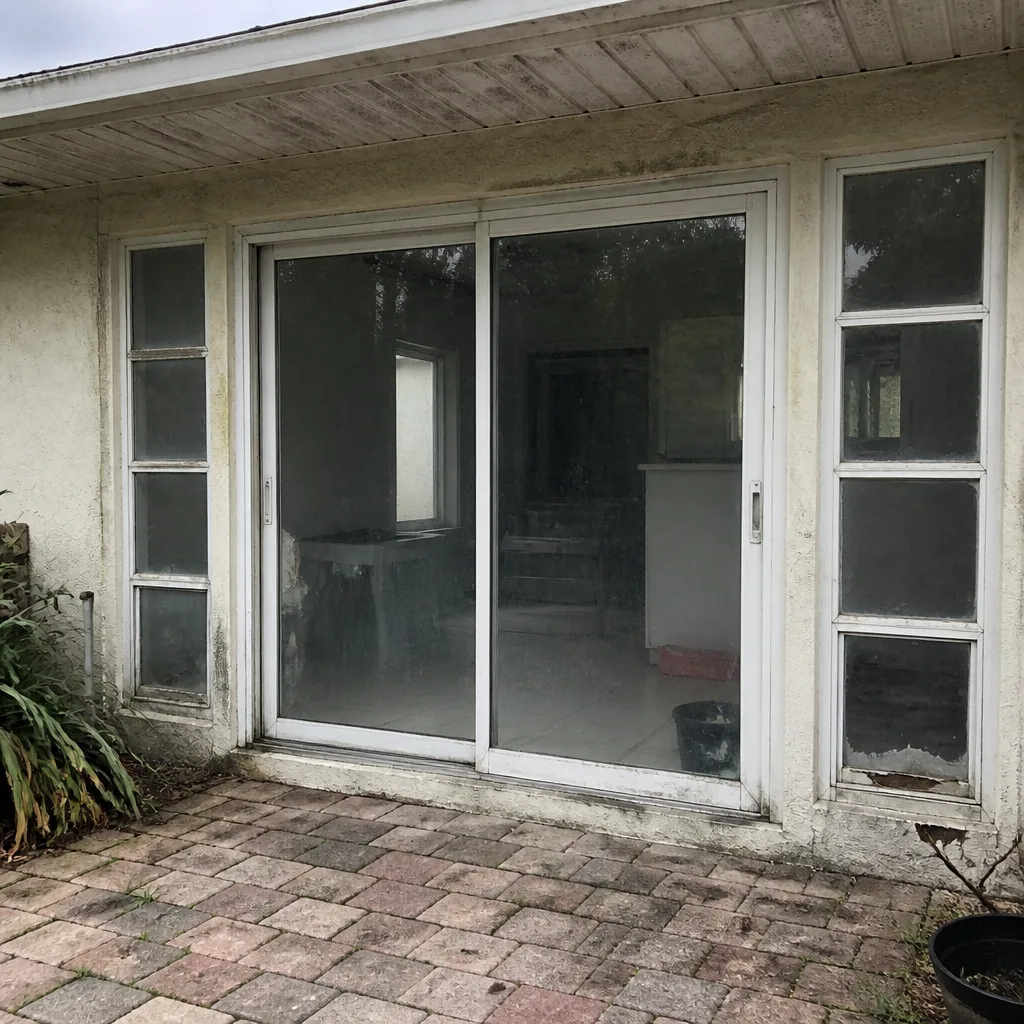 Before
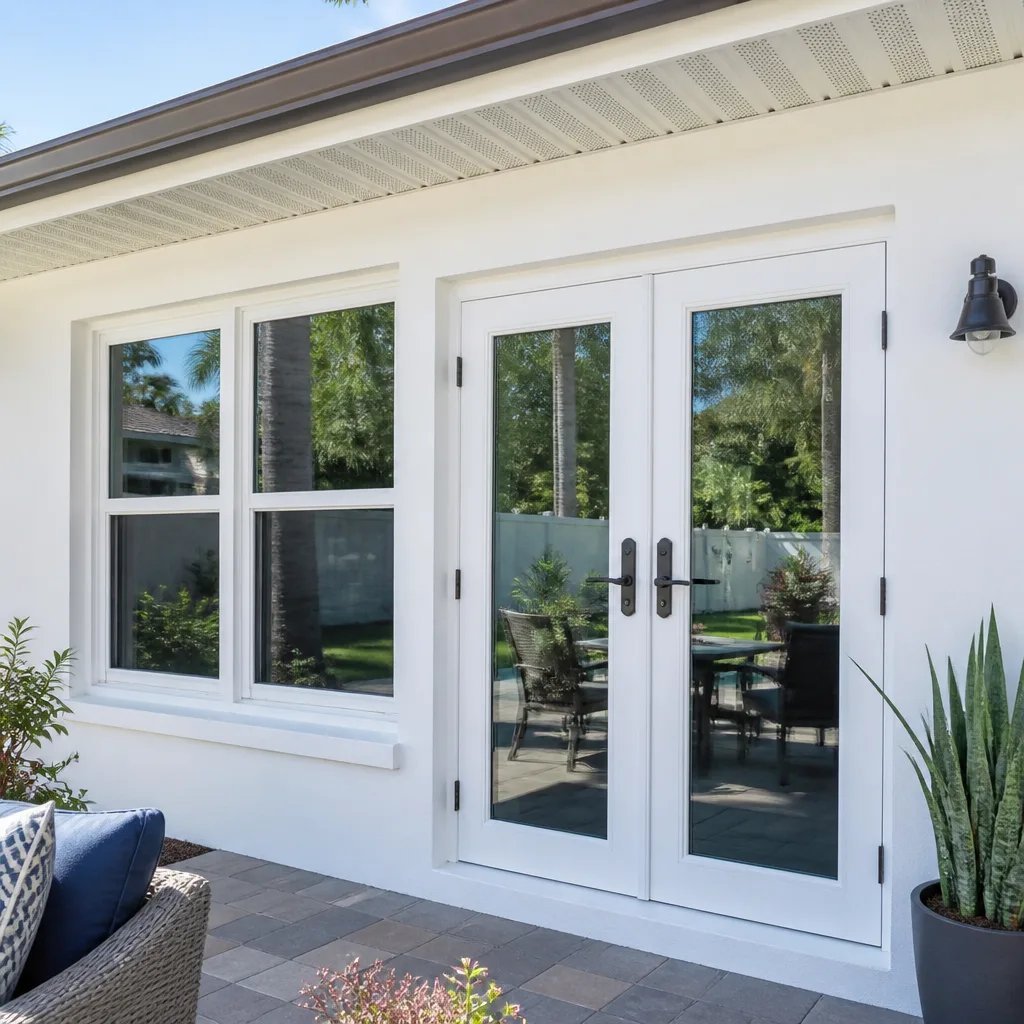 After
AfterWindows & Doors Cost Breakdown: The Tampa Homeowner’s Reference for 2026
The average gap between a Tampa window replacement quote and the final invoice is roughly $1,100. That’s not because contractors are dishonest. It’s because “installation” means wildly different things from one bid to the next, and most quotes don’t itemize permit fees, stucco repair, or haul-away until after the contract is signed. This guide gives you a unit-cost framework for reading any 2026 Tampa window and door quote with clarity, so you can catch an underbid before it becomes your problem. For a deeper dive, see The Complete Guide to Windows & Doors in Tampa.
Quick Answer
Window and door replacement in Tampa in 2026 typically runs $600 to $1,400 per window opening and $1,200 to $4,500 per door opening, depending on product tier, impact rating, and framing condition. Impact-rated windows required by Florida building code add 20-40% over standard units, but recover much of that through Citizens Insurance wind-mitigation credits and FPL rebates. A full-home window replacement in Hillsborough County usually lands between $9,000 and $22,000, while a single entry door with impact glass typically runs $2,800 to $6,500 installed.
Table of Contents
- Per-Opening Cost Benchmarks for 2026: Three Tiers Explained
- The Line Items That Belong in a Tampa Quote (But Often Go Missing)
- Why Door Costs Swing Wider Than Window Costs in Tampa
- ROI: Wind-Mitigation Credits, FPL Rebates, and the Real Payback Period
- Financing Red Flags: Reading a Deferred-Interest Offer Like a Pro
- How to Read Any 2026 Tampa Window Quote: A Unit-Cost Checklist
- Common Mistakes to Avoid
- When to Call a Professional
- Frequently Asked Questions
Per-Opening Cost Benchmarks for 2026: Three Tiers Explained
Every Tampa window quote can be sorted into one of three product tiers. The tier determines the bulk of the price, and knowing which tier a contractor is proposing tells you whether their number is reasonable before you read a single line item.
Tier 1: Builder-Grade Vinyl ($500-$800 per opening, installed)
These are standard single-hung or double-hung vinyl windows with double-pane insulated glass and no impact rating. They meet code for interior rooms in newer homes but will not pass Hillsborough County’s wind-borne debris requirements for openings in the wind speed zone. In neighborhoods like Carrollwood and Westchase, where homes were built before the 2001 Florida Building Code took effect, a builder-grade window is often what’s already in the wall. Replacing like-for-like is cheap, but it leaves the home unprotected and disqualifies you from the Citizens wind-mitigation discount.
Tier 2: Mid-Range Impact ($800-$1,200 per opening, installed)
This is the workhorse category for Tampa. Expect aluminum or vinyl frames with laminated impact glass that meets Miami-Dade County product approval standards, which Hillsborough County accepts. Brands in this band include PGT’s 5500 and 7700 series and CGI’s Sentinel line. You get the insurance credit, meaningful noise reduction, and a product that will outlast the mortgage. In neighborhoods like Seminole Heights and Riverside Heights, where older wood-frame homes are common, this tier usually requires some frame repair on the first install, which pushes the per-opening cost toward the top of the range.
Tier 3: Premium Impact and Custom ($1,200-$2,000+ per opening, installed)
This tier includes thermally broken aluminum frames, custom geometric shapes, and premium brands like ES Windows, ECO Window Systems, and Mr-Glass. These are the windows you specify when you want oversized picture windows, radius tops, or hurricane protection without the look of a bunker. In Hyde Park and Davis Islands, where architectural review boards care about sightlines and mullion profiles, premium impact windows are often the only way to get both code compliance and board approval. Plan for longer lead times: premium lines are built to order, and 2026 factory backlogs are running 6-10 weeks for custom sizes.
Our team installs impact windows from PGT, CGI, ES Windows, ECO Window Systems, Mr-Glass, and CWS, so we’ve seen how these tiers perform side by side in Tampa’s salt air and afternoon thunderstorms. The mid-range tier is where most homeowners land once they see the insurance math.
The Line Items That Belong in a Tampa Quote (But Often Go Missing)
Here’s the unit-cost framework we promised. A complete Tampa window or door quote has five structural components. If any of these are missing, the quote is incomplete, and the “savings” will show up later as a change order.
- Product cost per unit. This should be itemized by opening, not lumped. Each window or door gets its own line with size, series, and glass package. If you see one number for “windows,” ask for the breakdown.
- Installation labor per opening. Tampa labor for a standard retrofit insert runs $150-$350 per window. Full-frame replacement, where the old frame is removed to the rough opening, doubles or triples that because it involves interior trim, exterior caulking, and flashing.
- Hillsborough County permit fees and inspections. Permit fees for window and door replacement in unincorporated Hillsborough County typically run $80-$200 depending on the project valuation, plus the cost of the required inspection. The City of Tampa has its own fee schedule. Any quote that says “permits included” without a line item is either eating the cost (unlikely) or not pulling a permit (worse). Every legitimate Tampa contractor should itemize this.
- Stucco, siding, or frame repair around openings. This is the big one. When you pull an old aluminum window out of a 1970s stucco home in Town ‘N’ Country, the stucco around the opening frequently cracks or delaminates. Repairing that is not included in the window price. A honest quote will say “stucco repair allowance: $X per opening” or “TBD upon removal.” A quote that ignores it will hit you with a change order the day of install.
- Haul-away and disposal. Old windows, old doors, packaging from new units, and cracked stucco debris all have to leave your property. In Tampa, a licensed hauler charges $75-$150 per truckload. It’s a small line item, but it’s a line item.
Ask for all five components. If a contractor won’t itemize, that’s an answer in itself. If you’d like, we can review any written estimate you’ve received as a free second opinion, or browse more guides & resources to prepare for your project. It’s something we’ve done for Tampa homeowners since 2011, and the answer is usually that the other guy left something out.
Why Door Costs Swing Wider Than Window Costs in Tampa
Window pricing clusters. Door pricing scatters. A $2,000 entry door and a $6,500 entry door can look nearly identical in a photo, and that’s what makes door quotes so hard to compare in Tampa. The variables are multiplicative, not additive.
The Variables That Double the Price of “The Same Door”
- Slab vs. pre-hung. A slab is just the door panel. A pre-hung unit includes the frame, threshold, weatherstripping, and hinges, fully assembled. Swapping a slab into an existing frame costs $300-$600 in labor. Replacing a rotten frame with a new pre-hung unit costs $800-$1,500. On a 1980s home in Brandon or Riverview, the frame is rarely worth saving.
- Frame material. Steel and fiberglass entry doors (like Therma-Tru’s classic lines) run $800-$1,800 for the unit. Solid wood, custom mahogany, or thermally broken aluminum run $2,500-$5,000. In Tampa’s humidity, wood doors require annual sealing; fiberglass and steel are the practical choice for east- and west-facing exposures that take direct sun.
- Impact rating. A non-impact entry door for a home in Tampa’s inland wind zones can run $1,200 installed. The impact-rated equivalent with laminated glass and a reinforced frame runs $2,800-$4,000. If the door faces a pool cage or lanai, you may not need impact on that opening, but if it’s the front door, you probably do.
- Hardware grade. A builder-grade lockset costs $40. A Grade 1 commercial-grade handle set with a smart lock runs $400-$800. Hardware is the fastest way for a quote to creep upward without the homeowner noticing, because it’s listed as a single line buried in the middle.
- Sidelites and transoms. Every piece of glass adjacent to a door is an additional opening that requires impact glass in Tampa’s wind-borne debris zone. Two sidelites can add $2,000-$4,000 to a front entry project. They’re beautiful, and they’re the single biggest reason door quotes vary by thousands of dollars.
When you’re comparing door quotes in Tampa, line up the frame material, impact rating, hardware grade, and the number of glass components. If one bid is $3,000 cheaper, one of those four things is different. We install Therma-Tru entry systems along with impact-rated sliding glass and patio doors, and we’ve learned to flag the differences before the homeowner has to ask.
ROI: Wind-Mitigation Credits, FPL Rebates, and the Real Payback Period
The financial case for impact windows and doors in Tampa rests on two programs active in 2026, plus the resale value. Here’s how to run the numbers honestly.
Step 1: Get the Wind-Mitigation Discount
Citizens Property Insurance and most private carriers in Florida apply a wind-mitigation credit to policies on homes with impact-rated openings. The credit is based on a wind mitigation inspection (Form 1802) that verifies your windows, doors, and roof-to-wall attachments. Homes with full impact protection typically see a premium reduction of 20-45% on the wind portion of the policy. On a Tampa home paying $4,000 a year for Citizens coverage, that’s $800-$1,800 back annually. The credit persists for the life of the policy and transfers to the next owner, so it’s a permanent feature of the home, not a rebate.
Step 2: Stack the FPL Rebate
Florida Power & Light offers residential rebates for energy-efficient window and door replacements that meet specific U-factor and SHGC thresholds. In 2026, the rebate for qualifying impact windows is typically $2-$5 per square foot, capped per project and paid as a bill credit or check. A 2,000-square-foot Tampa home replacing 15 windows might qualify for $600-$1,200 in FPL rebates. The rebate only applies to units that meet the criteria, so ask your contractor to specify which windows in your quote qualify before you sign. Note: rebate programs change. Check FPL’s current residential rebate page before committing, and don’t let a contractor build the rebate into their price as if it were guaranteed.
Step 3: Calculate the Payback Period
Add the annual insurance savings to the one-time FPL rebate, then divide the total project cost by the annual savings. Here’s a realistic example for a 1970s ranch home in Carrollwood:
- Project: 12 impact windows plus one impact entry door
- Total installed cost: $14,500
- Annual Citizens wind-mitigation savings: $1,100
- FPL rebate: $900 (one-time)
- Simple payback: roughly 11 years on the insurance savings alone, or about 10 years including the rebate
That’s before accounting for resale value, which in Tampa’s 2026 market favors homes with impact protection already installed. Buyers increasingly ask for the wind mitigation report before making an offer, and a home with a current Form 1802 showing full protection commands a stronger position. The payback is real, but it’s measured in years, not months. Anyone promising otherwise is selling something.
Financing Red Flags: Reading a Deferred-Interest Offer Like a Pro
Big-box window and door sellers in Tampa push financing hard. The pitch sounds great: zero percent interest for 24, 36, or even 60 months. The fine print is where it gets expensive.
How Deferred Interest Actually Works
- You’re not getting zero interest. You’re getting interest deferred. The full interest accrues from day one at the standard APR, often 26.99% or higher.
- If the balance is paid in full before the promo period ends, the interest is waived. That’s the only scenario where the deal works in your favor.
- If even one dollar remains at the end of the promo period, the entire accrued interest is added to your balance retroactively. On a $15,000 project at 26.99% APR over 60 months, that’s roughly $11,000 in retroactive interest.
- The minimum monthly payment is calculated to not pay off the balance in time. This is by design, not oversight. The lender wants you to miss the deadline.
Local contractors often offer simpler financing through third-party lenders with fixed APRs and no deferred-interest trap. The rate may be 7.99% or 9.99%, but the math is transparent, and the rate doesn’t change if life happens and a payment is late. Over five years, a fixed-rate loan at 9.99% often costs less in total interest than a “zero percent” deferred-interest plan where the borrower misses the payoff date by one month. Read the truth-in-lending disclosure before the marketing brochure. The document with the APR in big bold type is the only one that matters.
At Winslow Windows & Doors home, we don’t lend money. We give you the price, you decide how to pay, and if you bring us a competing written estimate, we’ll review it with you line by line, no charge. Ed Winslow’s name is on the door, and that’s a stronger guarantee than any APR.
How to Read Any 2026 Tampa Window Quote: A Unit-Cost Checklist
Here’s the practical method we recommend to every Tampa homeowner who asks us to help them compare bids. Print this section and keep it next to your quotes.
- Divide the total by the number of openings. If the per-opening number falls outside the tier ranges above ($500-$2,000 for windows, $1,200-$4,500 for doors), ask why. There may be a legitimate reason (rotted framing, custom sizes, second-story access), but the contractor should be able to explain it in one sentence.
- Look for the five line items. Product, labor, permit, stucco/frame repair, haul-away. If permits aren’t listed, ask who’s pulling them. In Hillsborough County, the owner or contractor must pull the permit, and the inspection is part of the process. No permit line means either no permit or an unstated cost.
- Verify the impact product testing documentation. Every impact window sold in Tampa must have a Notice of Acceptance (NOA) from Miami-Dade County or a Florida Product Approval number. Ask the contractor to list the approval number for each product on the quote. If they can’t, they’re not installing code-compliant impact products.
- Check the warranty length and who honors it. Impact window manufacturers typically warrant the glass for 10 years to lifetime, but labor warranties vary from 1 to 10 years. In writing, a lifetime labor warranty is a marketing claim unless it names the company and gives you a way to enforce it.
- Compare the exclusions, not just the price. Two quotes can look equal until you spot that one excludes stucco repair and the other includes a $400 allowance. The cheapest line-item bid is often the one with the most exclusions.
If you’re replacing windows throughout the home, this comparison process matters because a $300 difference per opening across 12 openings is a $3,600 swing. That’s a real number, and it’s usually hiding in a missing line item, not in the product price.
Common Mistakes to Avoid
- Accepting a quote with one lump-sum number. A single “windows and installation” total tells you nothing. In Tampa, where permit fees and stucco repair are real costs, a lump-sum quote is a change-order waiting to happen. Demand line items.
- Buying windows without checking the NOA number. If the product doesn’t have a Miami-Dade NOA or Florida Product Approval, it’s not a certified impact product, which means no insurance credit and a possible code violation. This is the most common mistake we see in older Tampa neighborhoods.
- Assuming “impact glass” means the whole window is impact-rated. The frame has to be impact-rated too. A laminated glass unit in a non-impact frame does not meet code and will not earn the wind-mitigation discount. The frame and the glass are tested together, and the approval covers the assembly, not the parts.
- Financing through a deferred-interest plan without reading the APR disclosure. The retroactive interest on a missed payoff can exceed the cost of a few windows. See the financing section above and don’t let the monthly payment number drive the decision.
- Not asking about haul-away before install day. Old windows and doors are heavy, sharp, and full of tempered glass fragments. If the quote doesn’t say who takes them away, the answer is usually “you.”
- Comparing bids with different product tiers. A builder-grade vinyl window and a PGT impact window are not interchangeable. When one Tampa quote is 40% cheaper, it’s usually quoting a different product, not the same product for less.
- Skipping the wind mitigation inspection after install. The insurance discount doesn’t apply automatically. After your impact windows and doors are in, you need a Florida-licensed wind mitigation inspector to file Form 1802 with your insurer. The inspection costs $75-$150 and pays for itself in the first year.
When to Call a Professional
Window and door replacement in Tampa is not a DIY project. Impact products are heavy, the openings are structural, and a leaking window or door in Florida’s climate leads to mold, framing rot, and stucco failure within a season or two. Call a professional when you see condensation between glass panes, when a door no longer closes square, or when a window leaks during Tampa’s afternoon thunderstorms. Also call when you’re ready to replace, not after. Lead times for impact products in 2026 are running weeks to months, and the best installers book out. Impact Windows in Tampa are a significant investment, and the decision is worth talking through with someone who installs them daily. Winslow Windows & Doors offers free estimates in Tampa. Call (386) 559-6999 and a live person will answer, day or night. We’re the one down the road.
Frequently Asked Questions
For a typical 1,800-2,500-square-foot Tampa home with 12-18 openings, full window replacement in 2026 runs $9,000 to $22,000 depending on product tier. Builder-grade vinyl lands at the low end, mid-range impact windows from brands like PGT and CGI make up the middle, and premium lines like ES Windows and ECO Window Systems reach the top of the range. Call (386) 559-6999 for an exact quote on your home - estimates are free.
Florida building code allows either impact-rated windows or approved shutter systems for wind-borne debris protection, and both qualify for the Citizens wind-mitigation credit. Impact windows protect the home permanently with no action required before a storm, while shutters must be deployed manually. Many Tampa homeowners choose impact for occupied rooms and shutters for rarely used openings to balance cost.
Permit fees for window and door replacement in Hillsborough County and the City of Tampa typically run $80-$200 depending on the project valuation, plus inspection fees. For details on local requirements, read Windows & Doors Permits, Codes & Inspections in FL: What You Need to Know. A legitimate Tampa contractor itemizes the permit fee on the quote or states clearly that it’s included. If permits are missing from a quote, ask who’s pulling them before you sign.
Product lead time is the longer half of the schedule. Impact windows are built to order and 2026 backlogs run 4-10 weeks for most brands. Once products arrive, a crew of two to three installers typically completes a full-home window replacement in 2-4 days, with entry doors adding half a day each. Stucco repair and painting add time on the back end.
Yes, if you complete a wind mitigation inspection using Form 1802 and submit it to your insurer. Homes with impact-rated openings in Tampa typically see a 20-45% reduction on the wind portion of the premium, which on a $4,000 annual Citizens policy means $800-$1,800 back per year. The inspection costs under $150 and must be performed by a Florida-licensed inspector.
The gap almost always comes down to missing line items: no permit fee, no stucco repair allowance, no haul-away, or a different product tier altogether. Compare the exclusions before you compare the numbers. If you’d like a second set of eyes, we’ll review any written estimate free of charge.
The Bottom Line
Tampa window and door pricing is only confusing when quotes are incomplete. Once you know the three product tiers, the five line items that belong in every quote, and the two incentive programs that reduce the real cost, any bid becomes readable. Budget $600-$1,400 per window opening and $1,200-$4,500 per door opening in 2026, demand itemized quotes with NOA numbers, and never sign a contract that doesn’t mention the permit. The cheapest bid usually isn’t. We’ve been installing windows and doors in Tampa since 2011, and we’ve seen every version of this story. If you’re ready to replace, we’d rather give you the straight numbers than a sales pitch. Call (386) 559-6999 for a free estimate, or visit our Window Installation in Tampa and Window Replacement in Tampa pages to see how we work. The one down the road.
Written by Ed Winslow, Owner at Winslow Windows & Doors, serving Tampa since 2011.
Six Reasons Homeowners Choose Winslow Windows & Doors
Impact systems engineered to design pressures up to +/-100, matched to your wind zone - your openings hold when the storm arrives.
Low-E insulated impact glass from our manufacturer lines commonly cuts monthly cooling bills 20-30%.
Laminated impact glass shuts out up to 40% of outside noise - traffic, neighbors, weather.
Monitoring services run $30-90 a month. Laminated impact glass resists forced entry around the clock, with no subscription.
Florida homeowners average around 25% savings on the windstorm portion of their policy after protecting every opening - some homes qualify for more.
A full impact package upgrades curb appeal, buyer confidence and appraised value in one project.